Tactile Revival: The Art of Holding Your Inspiration
Vinyl sales are rising. Independent magazines are printing again. CDs, zines, and physical archives are circulating through dorm rooms and studio spaces. This isn’t nostalgia among older generations, but a new push from Gen Z to rediscover older creative forms of media. “On Instagram alone, there are over 39 million posts related to vinyl records, with youth sharing videos of their ‘vinyl hauls,’ turntables spinning favorite purchases, and walls decorated with colorful disks and sleeves.” Says vinylalliance.org. Reinforcing that younger generations were a large part of this resurgence of physical media.
The lack of attention to detail and shortened attention spans have spun out of control, and younger generations are sick of feeling addicted to their screens. Tunheim magazine furthers this ideology, stating, “The analog revival isn’t just a passing TikTok trend and retro 'dumb' phones. It’s a coping mechanism for mental overload, a rebellion against algorithmic manipulation, and a reassertion of agency over attention.” This technology has grown up with us. From getting our first iPod, which could only download songs at a snail's pace, to now replacing your phone every year to keep up with modern technology and higher-quality applications.
As a Westphal baddie who loves to read, collect records, and indulge in print media, I’ve spent a lot of time in stores around Philly that sell exquisitely curated physical media. Their owners are vaults of knowledge who love that this revival is underway. Each store has reported increased sales over the last few years due to the resurgence of physical media.
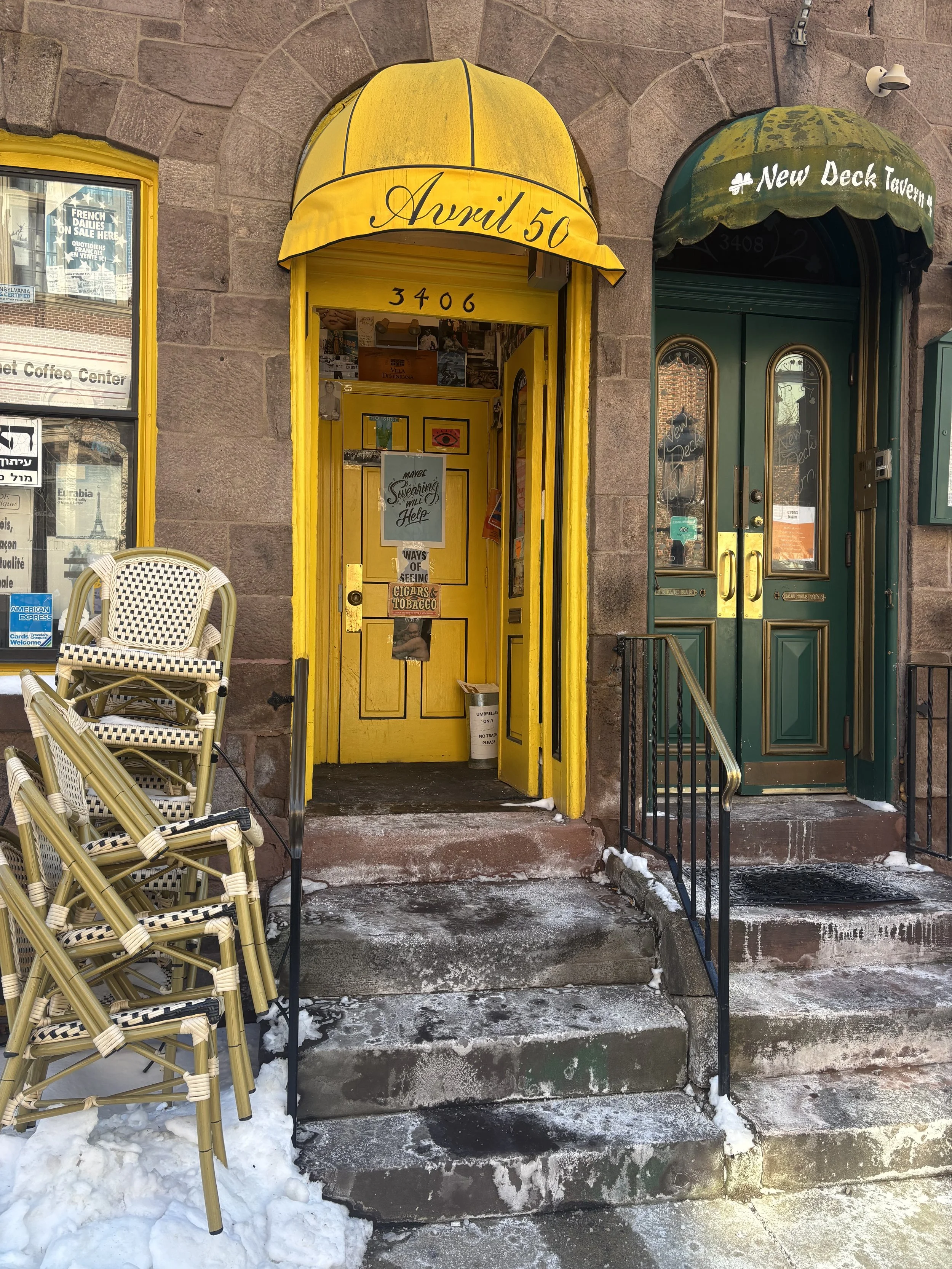
Avril 50
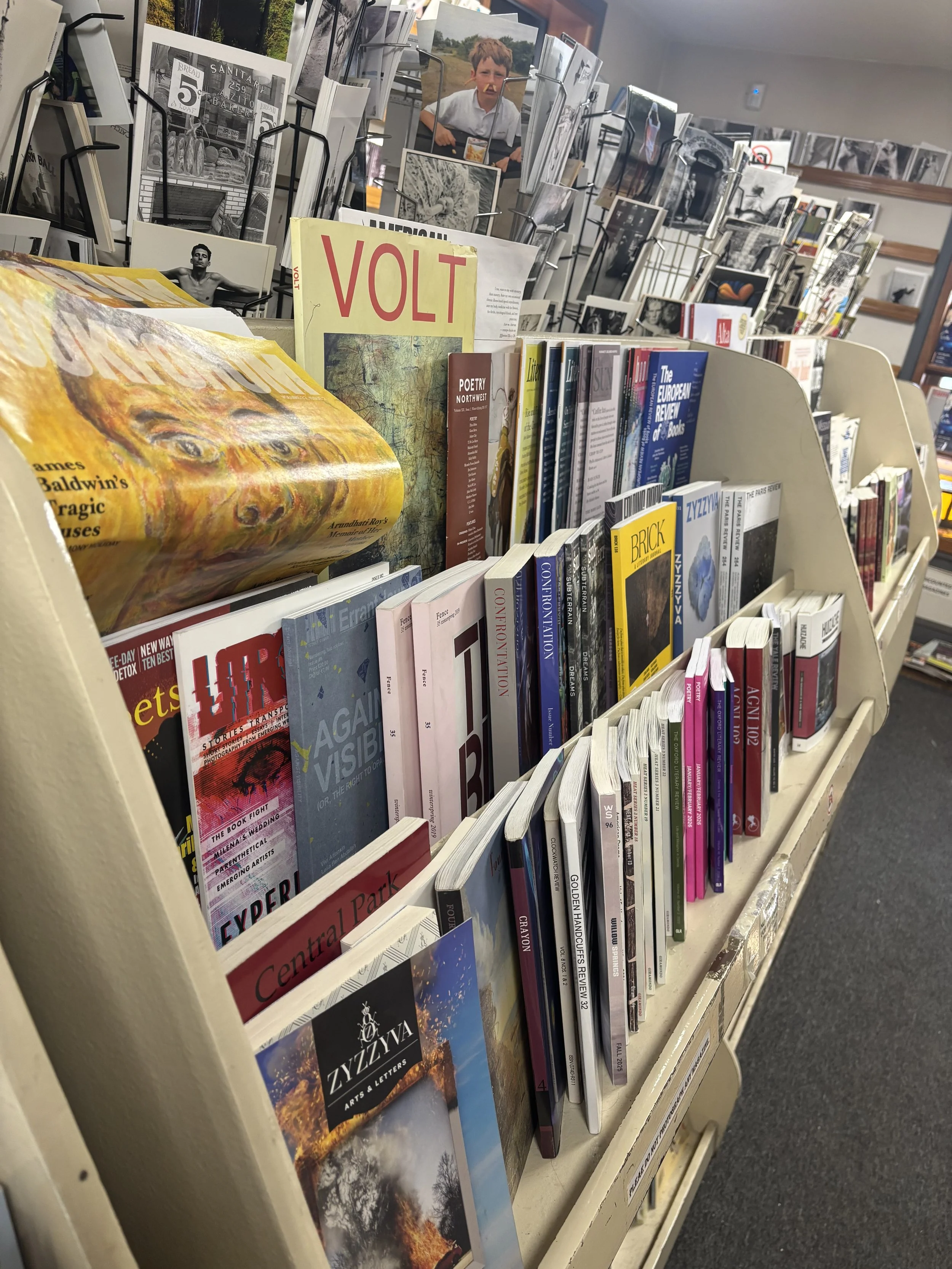
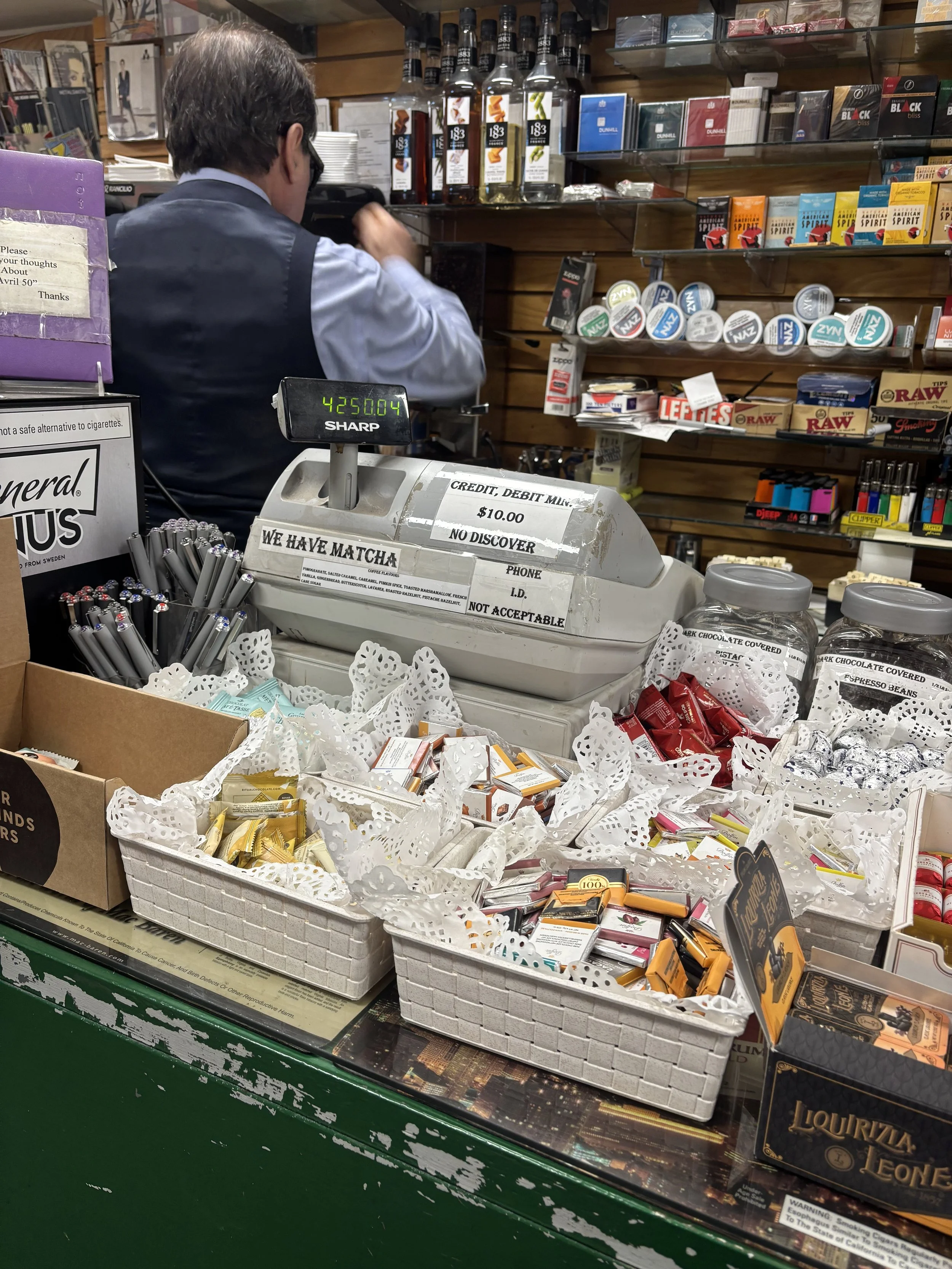
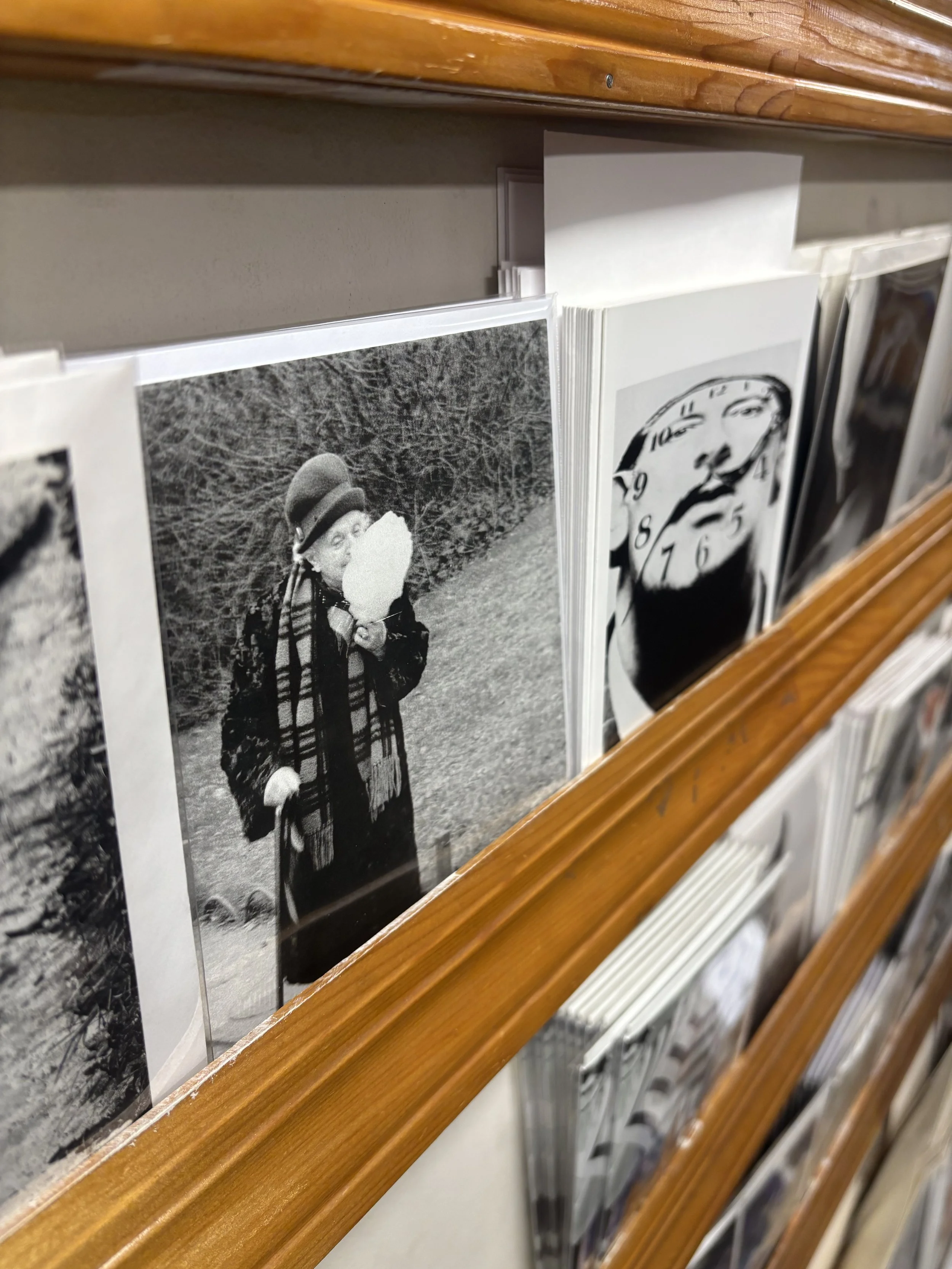
Located at 3406 Sansom St, nestled between one of the best Indian food places and a warm dive bar, you will find one of the best magazine collections you will ever see. The collection spans from vintage collectables to modern-day print media. Thousands of postcards, posters, magazines, and books line the walls in the small storefront. Filled to the brim with fashion, film, photography, music, and pop culture, travel, historical, interior design, and architectural prints. Feel like picking up a niche art magazine? It's there. Want a vintage people's magazine? It's all there. The possibility of stumbling upon a grainy black-and-white spread analyzing the New York punk scene in the 70s, or a long-form print interview that would never survive today’s scroll speed, is highly likely.
The store's immense collection focuses mostly on film, fashion, and music. Old copies of Rolling Stone lean against underground music zines stamped by hand, their covers faded with time, while vintage issues featuring early profiles of bands sit inches away from waxy 2000s pop spreads. The further you dig, the more you’ll find: anniversary editions documenting the rise of punk, gritty monochrome spreads capturing 70s rock backstage, and hyper-saturated Y2K covers that feel chaotic in the best way. Hand-stapled indie zines, printed in limited batches, document local schemes that never made it to mainstream archives. The music section documents the history of the East Coast music scene. Some pages are wrinkled, some annotated, and some so fragile you're scared to touch them. The music section at Avril 50 conveys a sense of preservation unlike that of a retail storefront, a physical archive of sound translated into print.
The film shelves open into a deeper archive of cinema history. Filled with coffee table books that dissect Italian cinema, noir classics, and cult directors. Oversized monographs on Federico Fellini sit beside deep dives into the stark shadows of Alfred Hitchcock's work. At the same time, essays unpack the visual language of arthouse and exploitation films, such as David Lynch’s Blue Velvet and Quentin Tarantino’s Pulp Fiction, or film photography manuals from the 1980s rest near noir retrospectives on 1950s Old Hollywood. You’ll find still-frozen midframes, grainy subway scenes, cigarette smoke curling in black and white, actresses captured between light and shadow. Some books focus entirely on costume design, others on cinematography, and others on the architecture of classic sets. The section is like a cinematic timeline you can hold in your hands. As you move across the spines, you can see how storytelling shifted from practical effects to digital gloss, each decade preserved in print, waiting to be studied.
The style section reads like a syllabus for anyone trying to understand fashion’s lineage. Editorial spreads featuring Vivian Westwood sit near glossy tributes to Jean Paul Gaultier, anarchic tailoring, and theatrical silhouettes frozen in print. Black-and-white portraits shot by Helmut Newton glare unapologetically from the pages, while campaigns photographed by Peter Lindbergh soften the room with cinematic intimacy. It’s not just clothing, it’s cultural documentation. You can trace how rebellion shifted from punk to minimalism to hyper-gloss excess simply by moving your hand across the shelf. The style section feels less like shelving and more like a timeline you can physically flip through. Stacks of 1990s Vogue sit beside early 2000 ID and GQ. Glossy, smiling celebrity images beam up at you, adding strong contrast to the Vogue editorial covers. The magazines are archival and iconic, immersing you in the eras of fashion.
The walls are plastered with vintage posters that, I’ve been told, were collected over a span of 48 years. What makes the collection so special isn’t the titles or the prestige of the print, but the active history embedded in the print's quality. Some copies are perfectly preserved in their plastic wrap, while others have softened at their corners with use over time, and the pages are slightly yellowed. The sound of faint classical music drifts around the store as the smell of sweet cigars and brewing espresso draws you into the storefront's warmth. Grab a coffee, a smoke, and your new favorite magazine to hang out in the outdoor seating area. You can tell this place has meaning and curation behind each piece. There’s always a story, and I never fail to find my way back to this place for a relaxing smoke and newfound inspiration in print media.
Repo Records
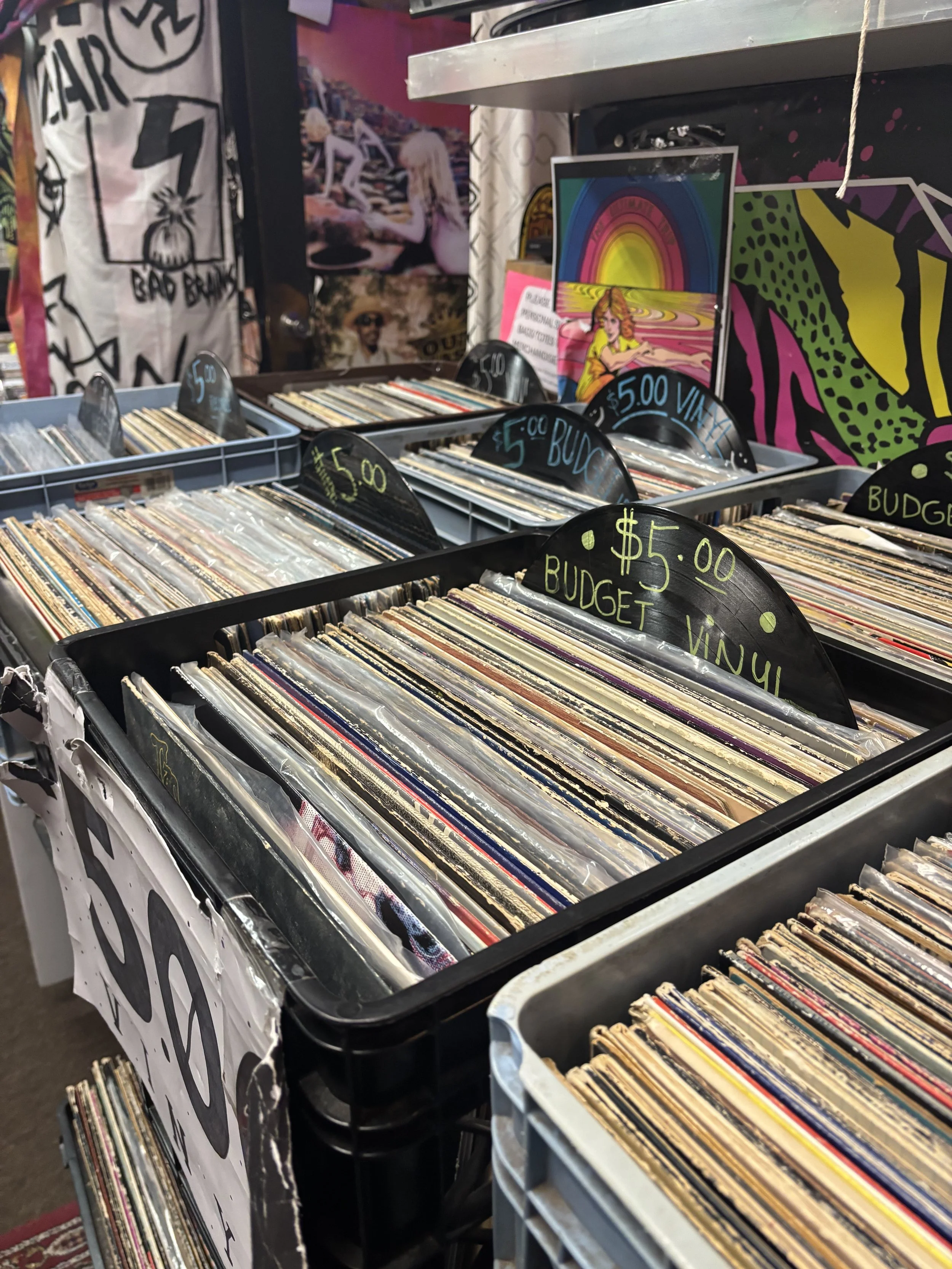
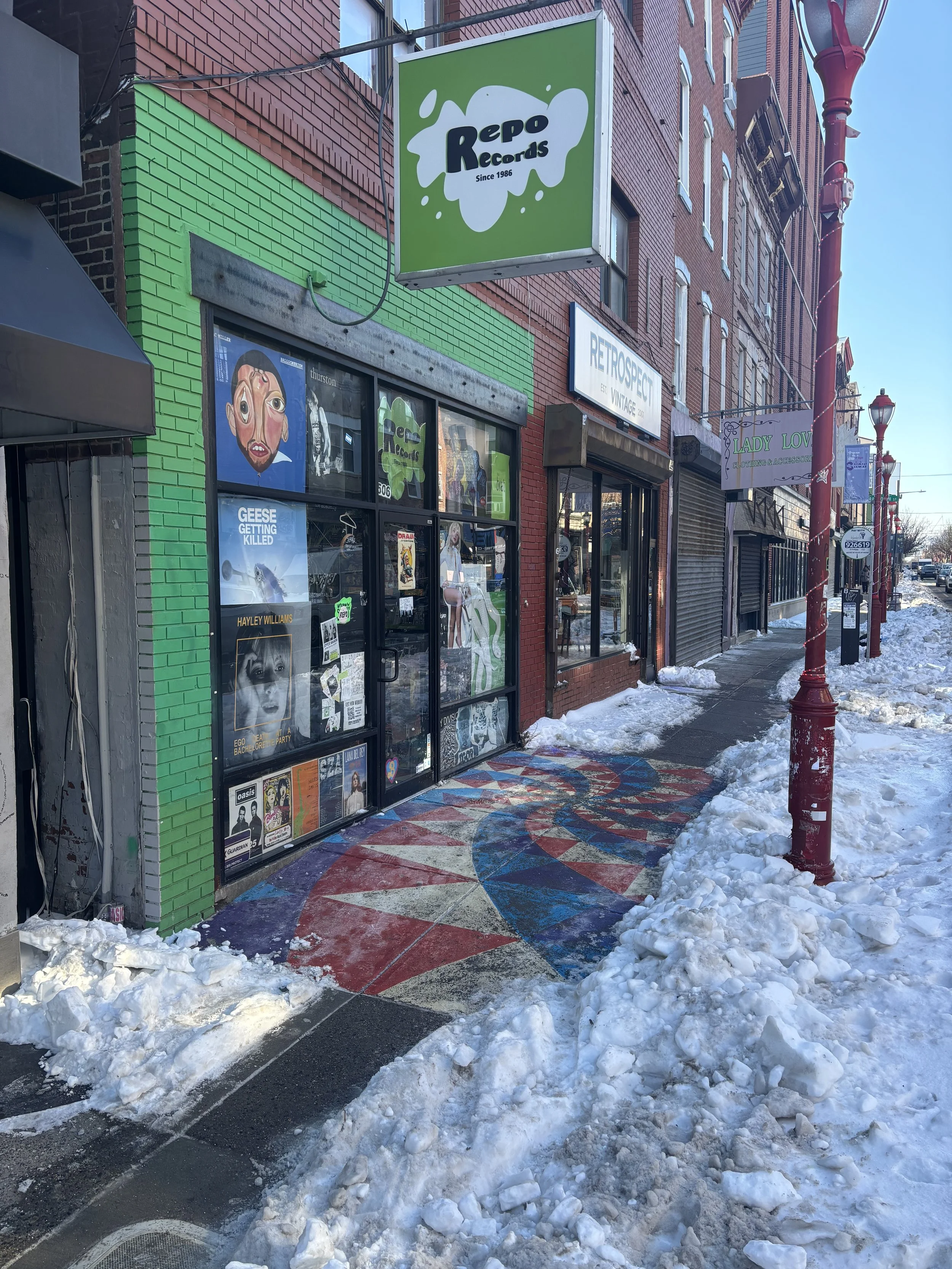
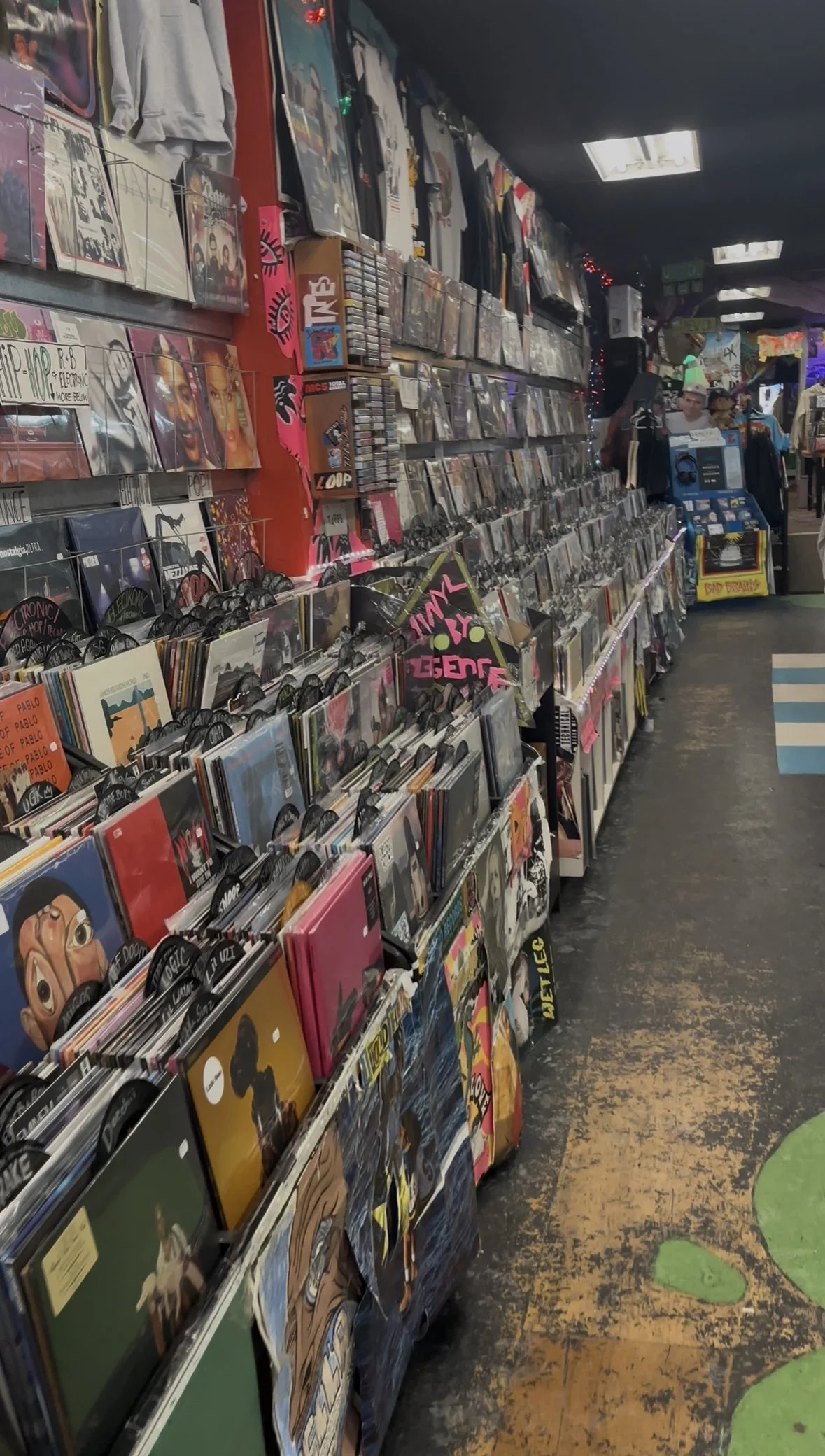
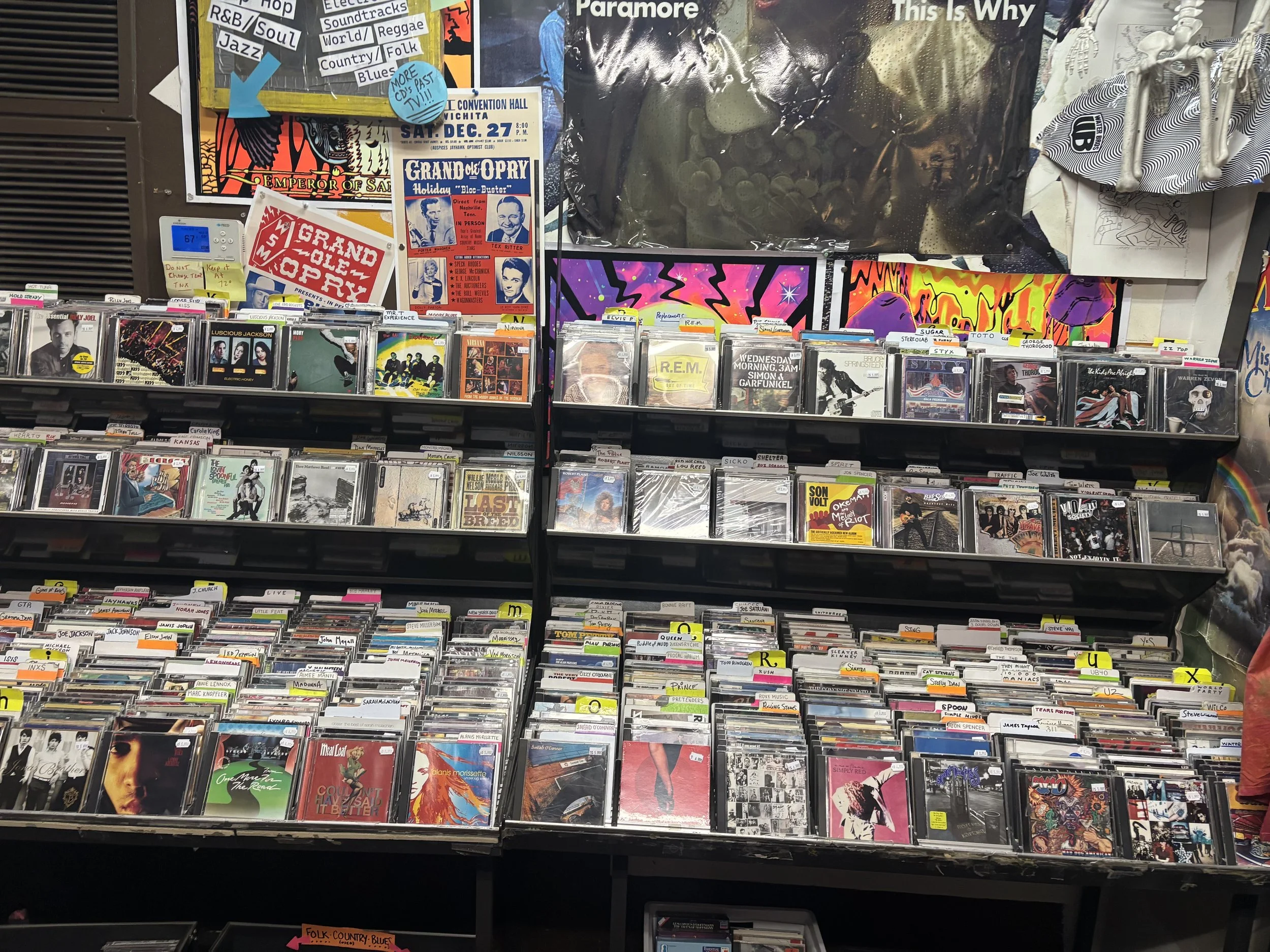
At 506 South St, this record store is a true hidden gem tucked into the rhythm of Queens Village—a funky psychedelic masterpiece filled to the brim with posters, records, CDs, and clothing. The walls are lined with album art, creating a visual history of the music industry. Hallucinogenic typography bleeds into punk collages and blends with 2000s pop iconography. Every inch of wall space feels intentional but unruly, like a scrapbook of sound. It feels curated and chaotic in the most eclectic way possible, less like a store layout and more like stepping inside someone’s lifelong obsession with music. Even the lighting feels warm and slightly hazy, casting a soft glow over the album covers, making them almost feel animated.
The staff's vibe is effortlessly cool and full of so much info on infinite amounts of records. Ask about anything in the shop, and they will tell you the year it was released and the background behind each album. They don’t just sell music; they contextualize it. They’ll explain why that pressing matters, whether it’s an original run or a reissue, which track changed everything. It feels less like a transaction and more like a conversation you didn’t know you needed. There’s a sense that everything in the store has a backstory, and they are more than happy to tell it — not just about the album, but about the scene it came from. You leave with more than vinyl; you leave with history.
Old pressings of David Bowie sit beside worn copies of The Velvet Underground; their covers slightly frayed from decades of handling. Flip a little further, and you’ll find classic rock staples like Fleetwood Mac, early hip-hop records from Biggie, and newer indie releases still in their plastic wrap. The vinyl and CD collections span decades: 70s punk, 80s new wave, 90s grunge, and early 2000s pop, each genre organized in large vinyl flip bins, with thick cardboard dividers separating eras like chapters in a book. You can tangibly trace how sound evolved simply by sliding records from one bin to the next — watching rebellion turn mainstream, watching underground scenes turn into chart-toppers. The weight of the vinyl in your hands makes the shift feel real.
The deeper you move into the shop, the more it unfolds. The sweet curl of incense smoke hangs in the air, waving between crates of vinyl and shelves of CDs. Band posters, plastered with Blondie and Madonna album covers, are propped up in hanging organizers that you can flip through with ease. Clothing racks stacked with band tees adorned with AC/DC and Zeppelin graphics line the perimeter — pieces you never come for but inevitably leave with. Vintage Andy Warhol logos crack slightly across cotton worn thin with age. Toward the front of the store, displays of pins, candles, incense, and little trinkets sit near the register, each one feeling like a souvenir from a subculture you wish you had lived through. The textures layer on top of one another — glossy album covers, matte cardboard sleeves, soft cotton tees, metallic pinbacks.
It’s immersive. It’s tactile. It’s a space that asks you to linger. I could spend hours moving from crate to crate, getting lost in cover art alone. The incense continues to circulate gently through the store, wrapping the entire experience in a scent that feels almost ritualistic. It feels lived in, relied on, and returned to. The storefront blends into the street, but once inside, time slows down. The kind of place where you go in for one record and leave with three, plus a recommendation you didn’t know you needed. Repo Records isn’t just selling vinyl; it’s preserving sound in its most physical, deliberate form.
Brickbat Books
This bookstore has some of the best film, fashion, music, and historical book collections you will find in Philly, not just in quality alone, but in depth. Every shelf feels intentional. These aren’t surface-level picks or algorithm-approved bestsellers; they’re beautifully niche books that dive deep into whatever field you are interested in.
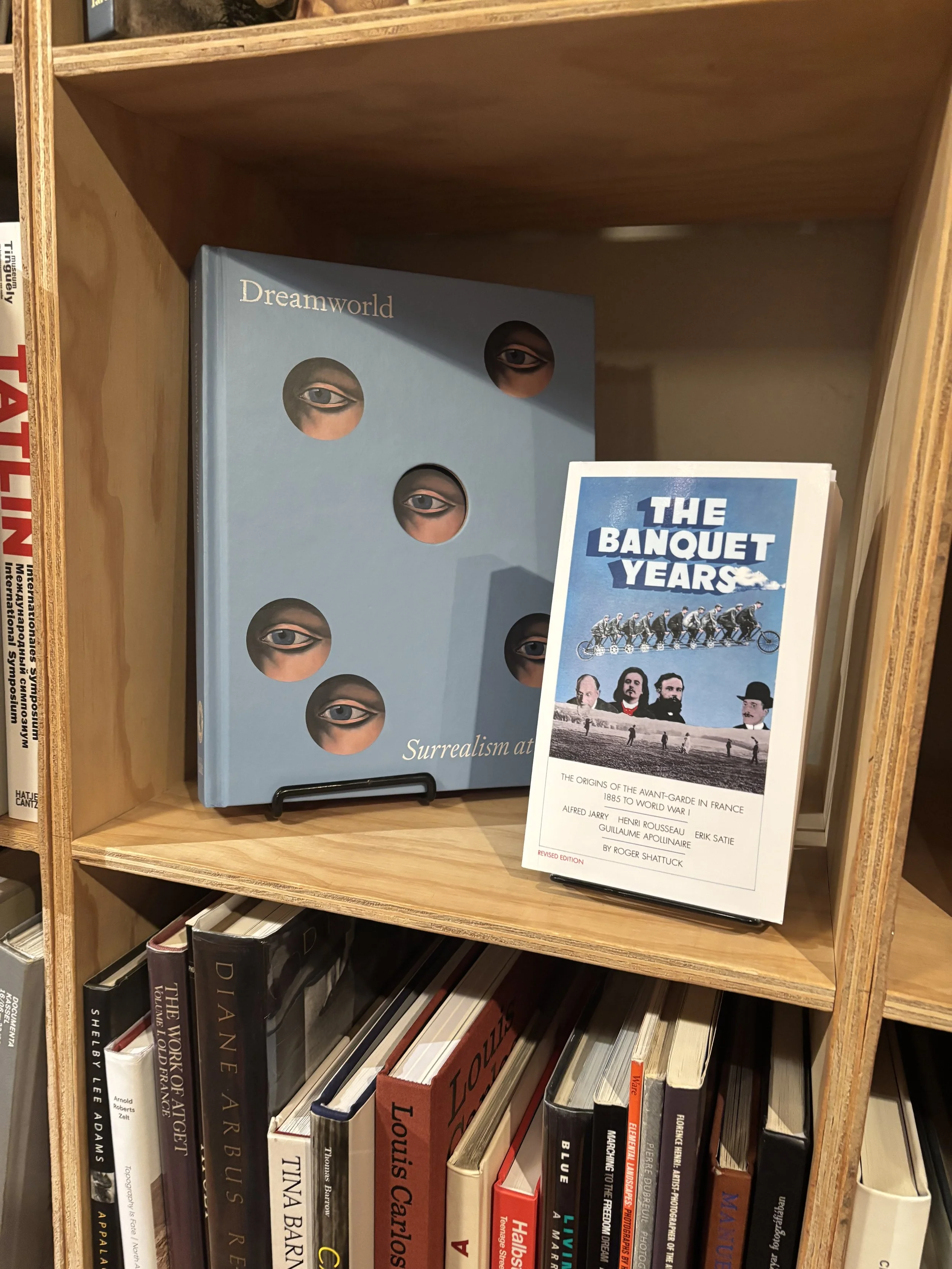
Wondering how to develop film photography? There are multiple technical manuals outlining darkroom chemistry, exposure theory, and contact sheets with notes by working photographers. Wondering what European films to watch to start your new obsession? Check the film section at Brickbat Books. The film section features critical essays on Italian neorealism, French New Wave breakthroughs, and deep dives into directors whose names rarely trend but who permanently altered visual storytelling, such as Agnès Varda. Fashion theory texts sit beside archival runway retrospectives, and music biographies that dissect movements, subcultures, and sonic revolutions. It feels less like browsing and more like enrolling in a self-guided curriculum.
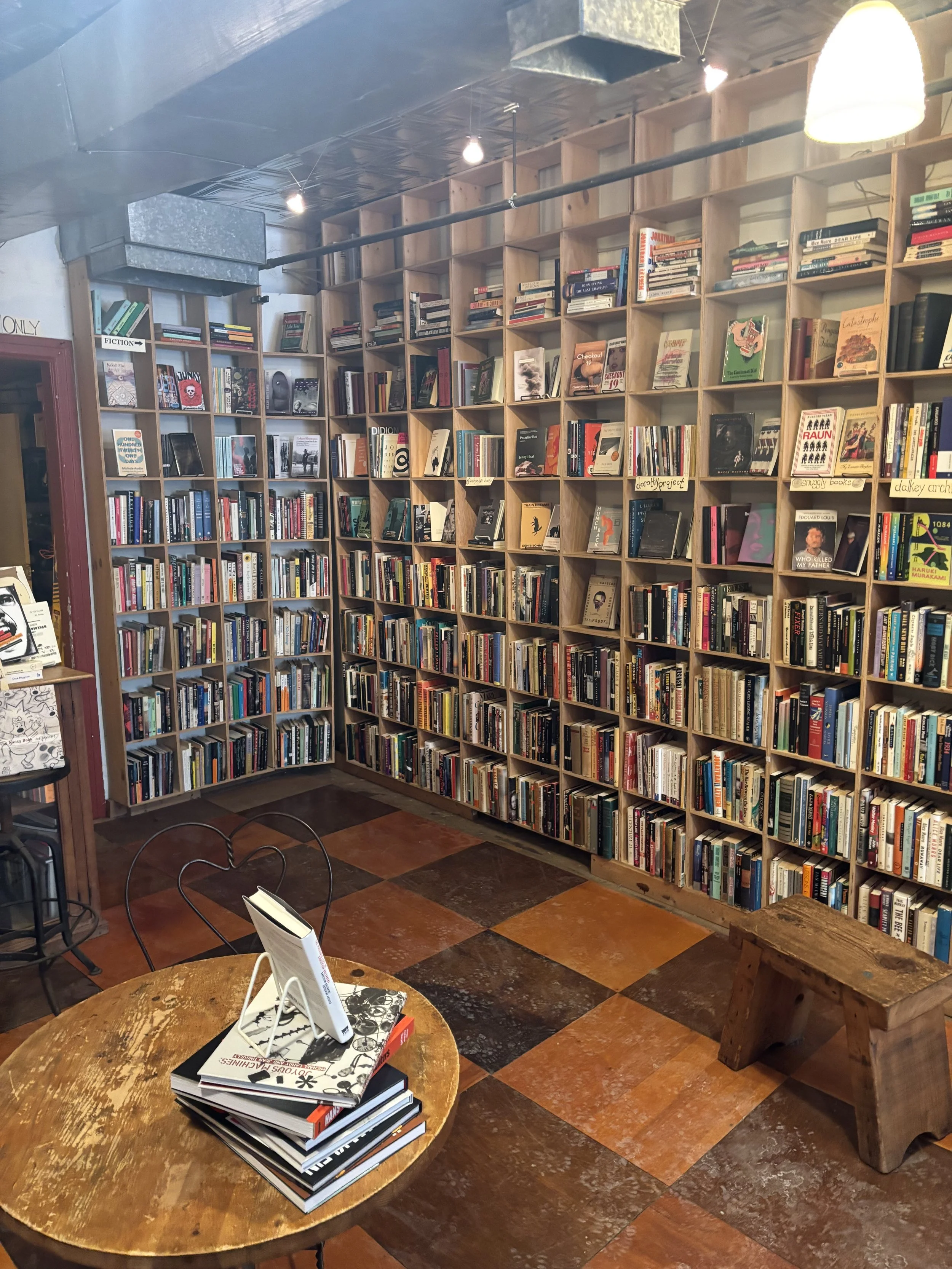
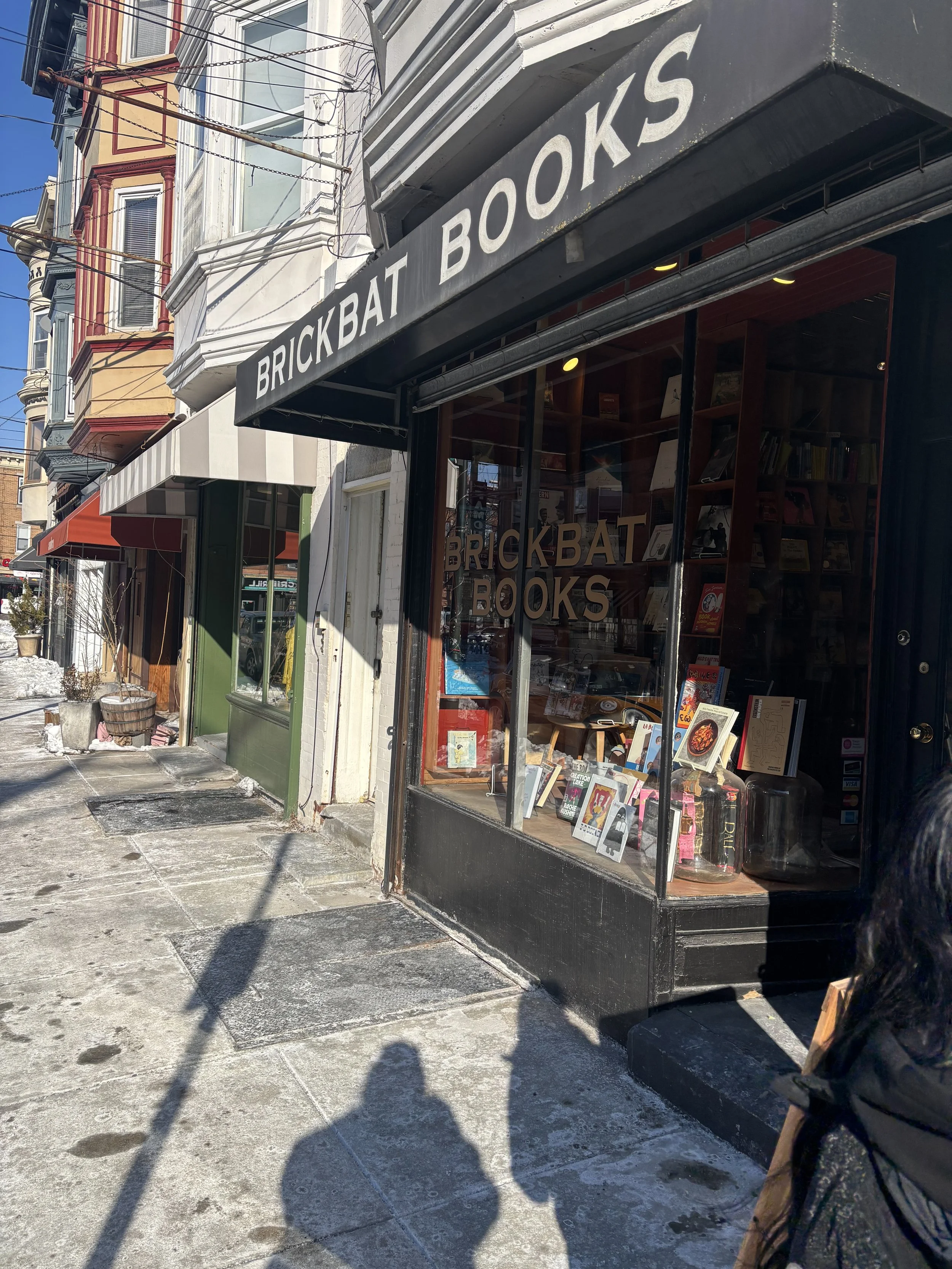
Nestled in Queen Village, Brick Bat Books is one of the coziest places in the city. Wood-lined floors and walls creak softly as you wander around the store. Each step echoes gently beneath the weight of decades of readers. Floor-to-ceiling books are stacked meticulously, spines aligned but never sterile. The shelving at the front holds a few recognizable titles, but as you move deeper into the store, you realize the curation shifts.
Popular books that dominate chain retailers like Barnes & Noble are usually placed near the entrance. The entrance is lined with generic American literature classics, a particular love for Charles Dickens, tween graphic novels, and even some children’s literature. As you move further back, the shelves grow more specific, more academic, more archival. Oversized art monographs lean against dense historical texts. Out-of-print photography collections sit beside thick volumes dissecting the visual art forms used in fashion shows in the 90s. The deeper you walk, the more the store reveals its true identity: a quiet archive of art and haste, rather than a commercial bookstore.
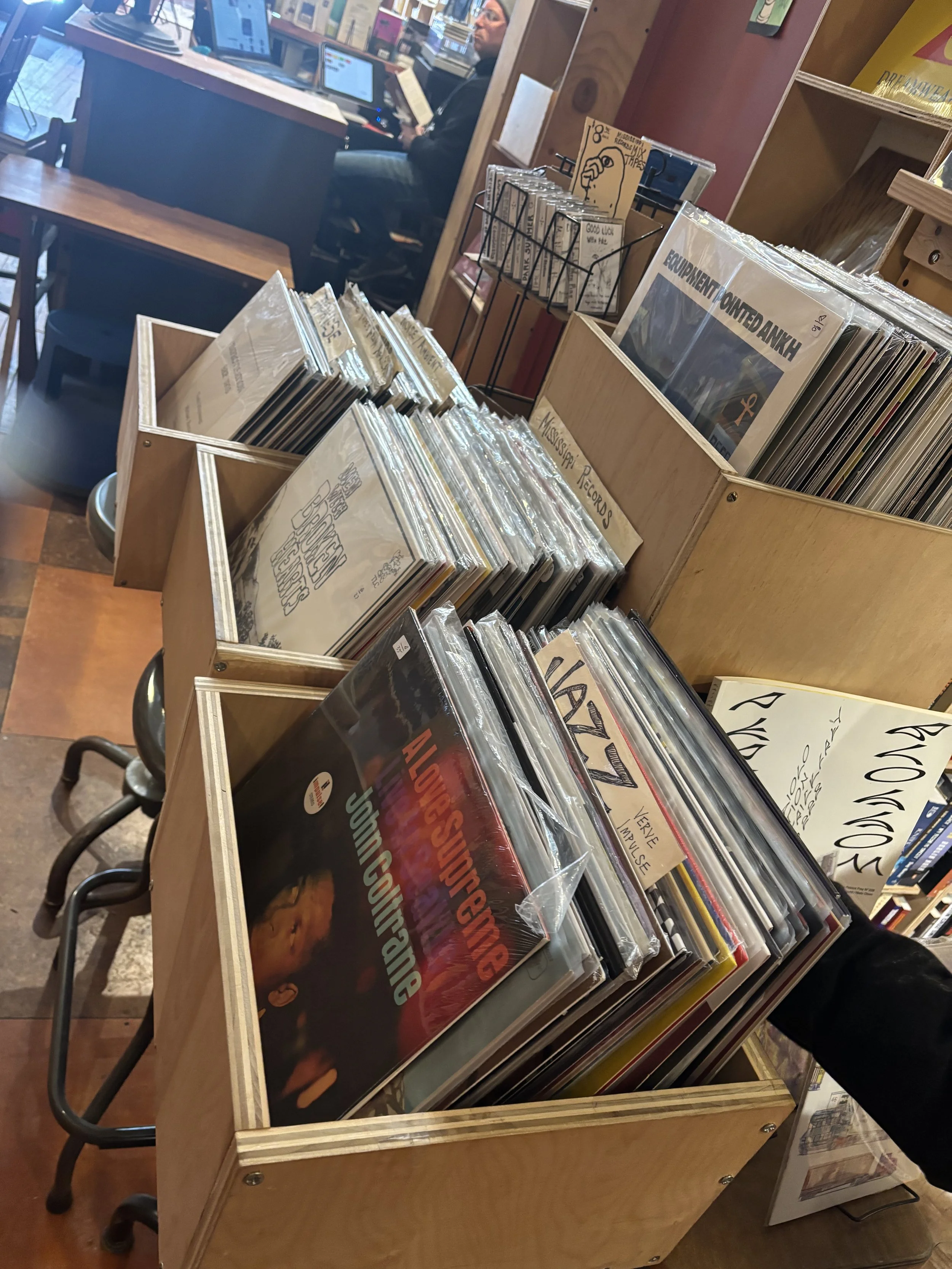
The atmosphere reinforces that intention. The slight hum of the light fixtures cascades from above as you can pick through the small record collection found near the front of the store. The curation and value of these books are reflected in the bookstore's silence. No music fades around the store to distract from the few readers who sway slightly as they stand, fully immersed, noses buried in pages. Even the clerk remains absorbed in his own book, glancing up occasionally, as if careful not to disturb the silence. The value of the books lies not just in their content but also in the silence that protects them. Brickbat Books doesn’t ask for your attention loudly; it invites you to slow down, stay awhile, and let curiosity guide you, shelf by shelf.