
The Taming of Vivienne Westwood: The Lost Art of Fashion Activism
Shortly after Vivienne Westwood’s passing, I began to observe a change in her brand and its image. I have been an admirer of Vivienne Westwood and her designs for as long as I have admired fashion itself, but it wasn’t until very recently that I noticed a shift. Lying in my bed in 2024, I woke up from my mindless scrolling when I saw what may have been the tenth person I had seen that week wearing a Vivienne Westwood necklace. Not only a necklace, but the same necklace, the Mini Bas Relief Pendant Necklace. In full transparency, I own some Vivienne Westwood jewelry, but I purchased it in recognition of her historical impact.
To me, it was unclear if the individuals I saw online were aware of Vivienne Westwood's livelihood. In the context of soft lighting, minimalistic beauty, and a pastel color palette, the product that skyrocketed in popularity was a small, simple pendant with the brand’s signature orb. Though it was exciting to see Vivienne Westwood’s products getting the attention they deserved, I had to wonder whether the trend was authentic or merely ignorant. While not every person I saw wearing the pendant presented it in a way that made me question it, there were enough encounters that I decided I needed to dive deeper into what it all meant.
THE ORIGINS OF VIVIENNE WESTWOOD
Amid political unrest, explosive, distorted guitars cried out in harmony with equally sharp eyeliner, spiked hair, and rigid ideals in 1970s London. It was the birth of Punk- the catalyst of revolutions across music, fashion, politics, and society. But punk was more than just an “aesthetic”; it was a mindset. A way of life. Those who were “punks” were of the minority, part of a subculture that was born to be defiant.
The period's tension was characterized primarily by intertwined economic, industrial, and social crises. The British government was veering far to the right, promoting capitalist, free-market agendas, which led to the rise of unions and, in turn, worker strikes. It’s no surprise that these factors fostered an uprising, nor is it that this uprising led to an explosive movement in art and culture.
One of the notably inspired was Vivienne Westwood, a British fashion designer with an innate fire underneath her. Westwood became a pioneer of anarchist art and unapologetic resistance through her collaborations with The Sex Pistols, her highly controversial “SEX” boutique, and her radical runway moments. Her early designs reflected personal expression and anti-establishment sentiment, themes that were rapidly emerging in punk fashion and music. Defiant clothing served not just as an act of rebellion but also as a wearable symbol of cultural communication, linking individuals with shared interests and deterring those who opposed them. Punk itself was a force for identity, and Westwood was not afraid to cater to the controversial.
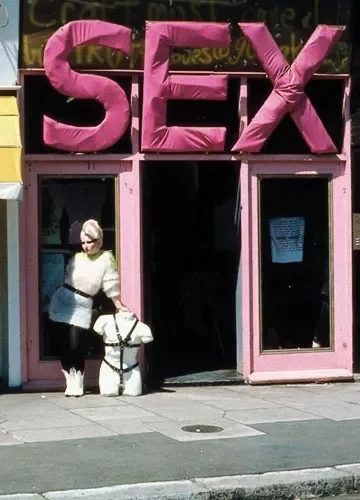
Vivienne Westwood Standing Outside “SEX” Boutique
One of her most notable contributions to the movement was opening the “SEX” boutique, which served as a site of queer expression and resistance within the culture surrounding it. In Cut, Layer, Break, Fold: Fashioning Gendered Difference, 1970s to the Present, author Shehnaz Suterwalla outlines the sexual expression conveyed in early Westwood designs, particularly for female audiences: “Dress was hypersexualized through the distressing and mutilation of existing clothing, repurposing it into something new and more unconventional. The unspoken story of distressed clothing became a visual language enforcing punk ideals. Westwood’s boutique and designs functioned not just as a retail space but also as a political arena, where fashion became an active tool for cultivating community by defying capitalist expectations and asserting defiant visibility.”
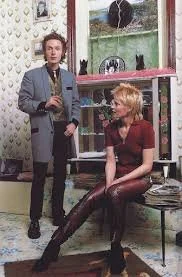
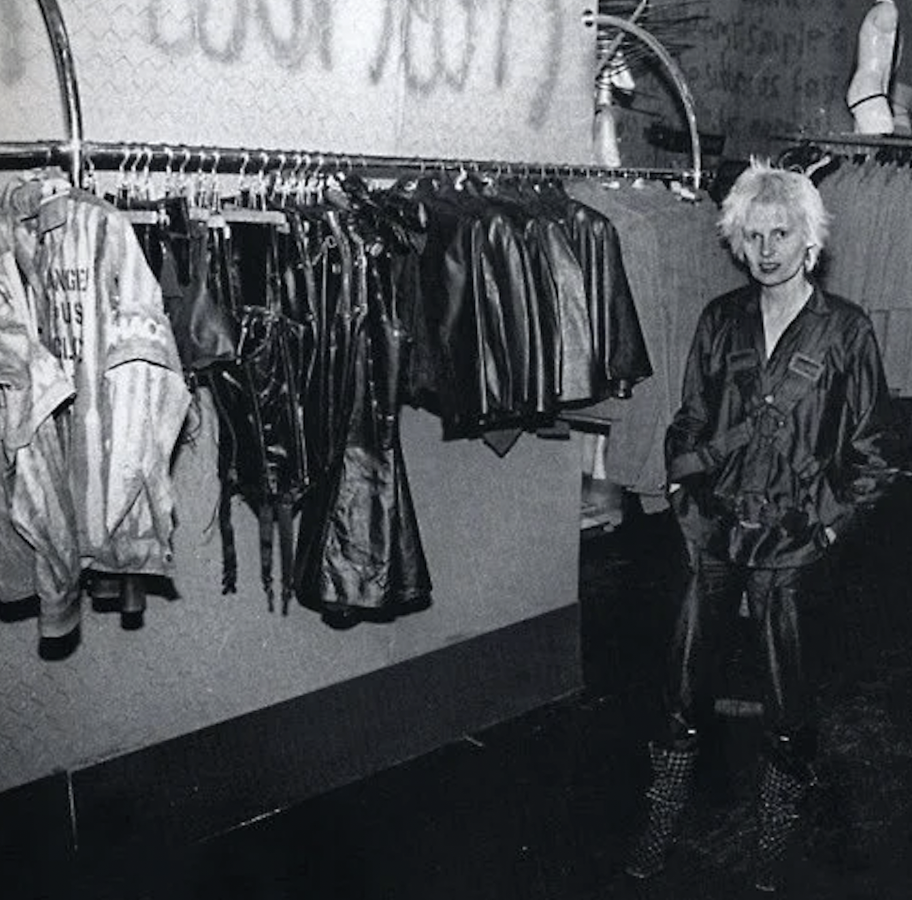
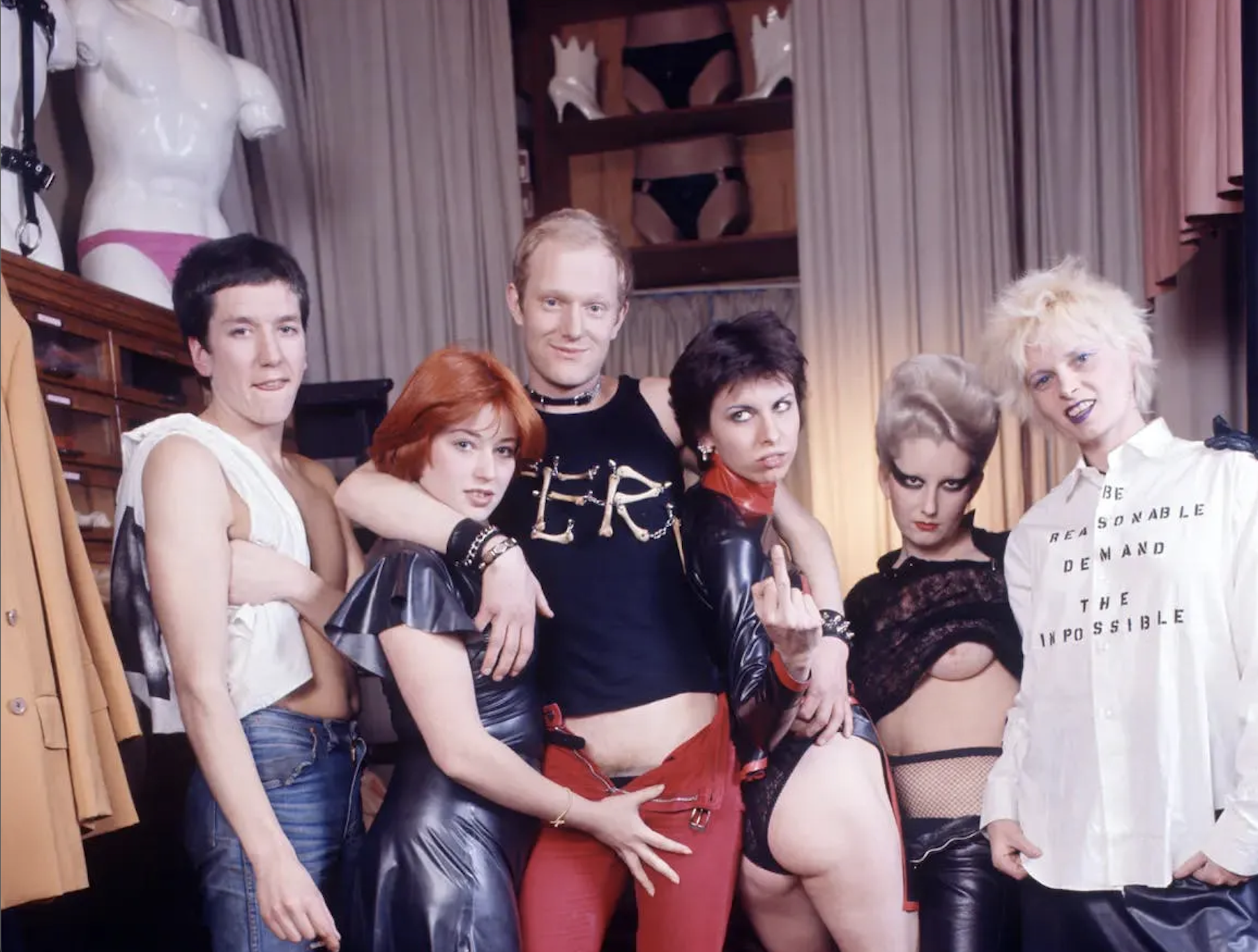
Inside the “SEX” Boutique
Westwood’s push for punk in her designs ran counter to the culture of her time. In a time when conservative values not only overtook politics, but also dress, Westwood was presenting merchandise that was highly offensive to the greater population. Bondage, undergarments, and rebellious (and minimal) apparel represented a challenge to the norm. But it was clear she was doing what she wanted. As Tansy E. Hoskins outlined in Stitched Up: The Anti-Capitalist Book of Fashion, “disruptive clothing spoke out against capitalistic and conservative ideals. Vivienne Westwood's designs spoke loudly and proudly for others in the punk sphere, and she was beginning to carve out a space in fashion for the defiant.”
THE PERSISTENT RESISTANCE OF VIVIENNE WESTWOOD
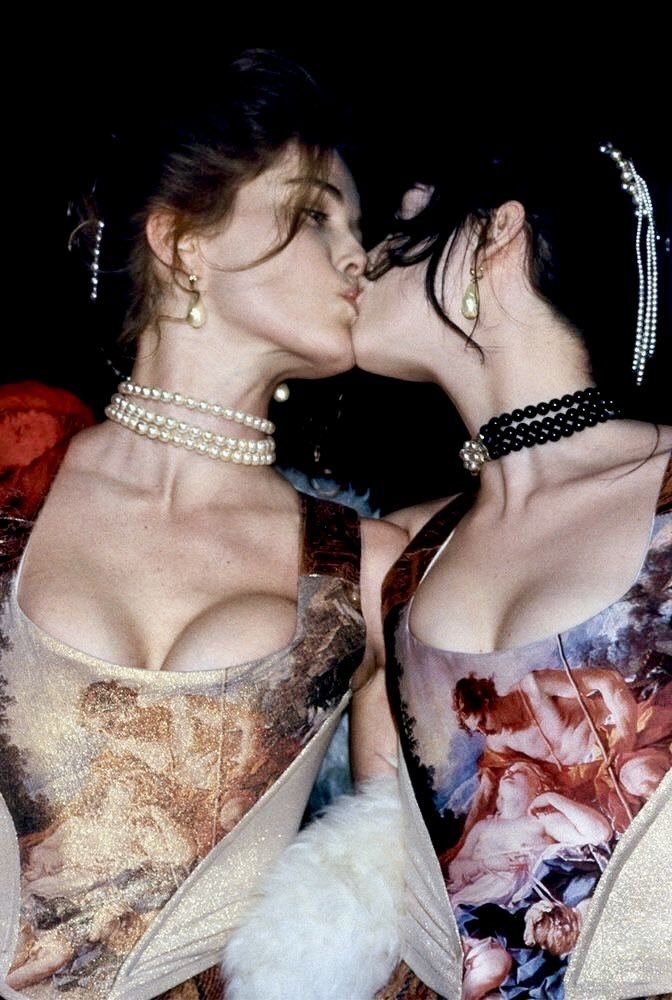
Though the style of her designs evolved over the next few decades into more experimental formal wear, make no mistake: her ideals persisted. In her 1990 “Portrait” show, the iconic kiss between female models Susie Bick and Denis Lewis made headlines around the world. Wearing renaissance-inspired corsets in an elevated, feminine look, the juxtaposition of classic and progressive art collided. Westwood brought in general audiences by giving them what they wanted- feminine silhouettes, rich fabrics, and high heels. But she followed with the element of surprise, presenting her agenda more digestibly on a high-fashion platter. The punk influence in her designs may have dwindled, but the spirit of the movement was ever-present.
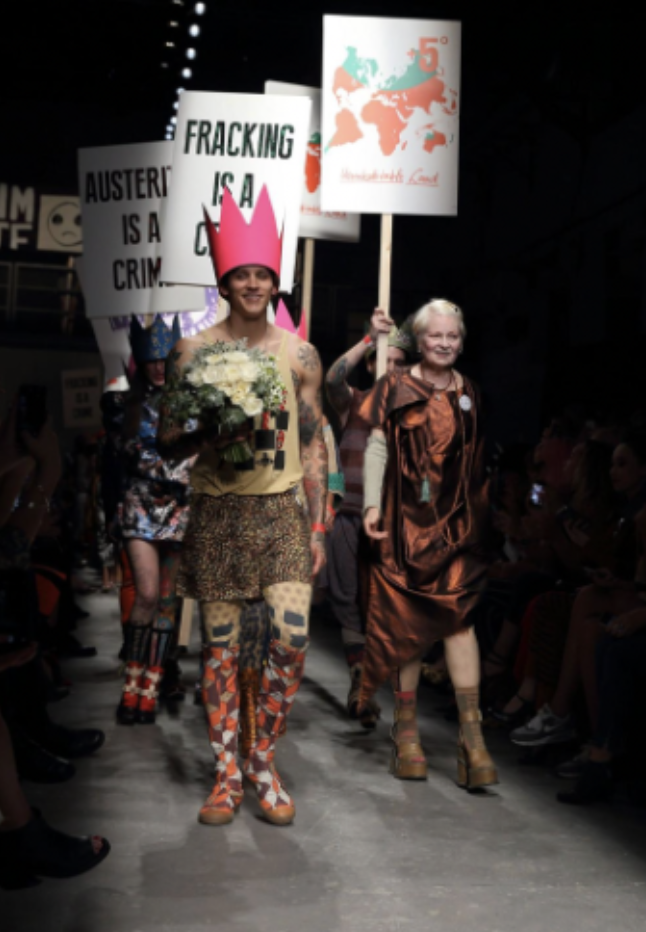
Years later, on the 2016 runway, Vivienne Westwood’s models walked out with signs demanding reform for environmental policy as a response to climate change. Wearing gender-fluid garments, expressive makeup, and androgynous structures, queerness was the essence of this affair through the models’ presentations, once again a concept that ignited frustration among more conservative individuals. With garments made of paper, trash, and craft supplies, it was clear that Vivienne Westwood was not there to make ready-to-wear designs. She used her platform once again to voice her struggles with the global political climate. Nearly 40 years after her roots in London, she continued to live and breathe defiance and resistance until she took her true last breath.
THE TAMING OF VIVIENNE WESTWOOD
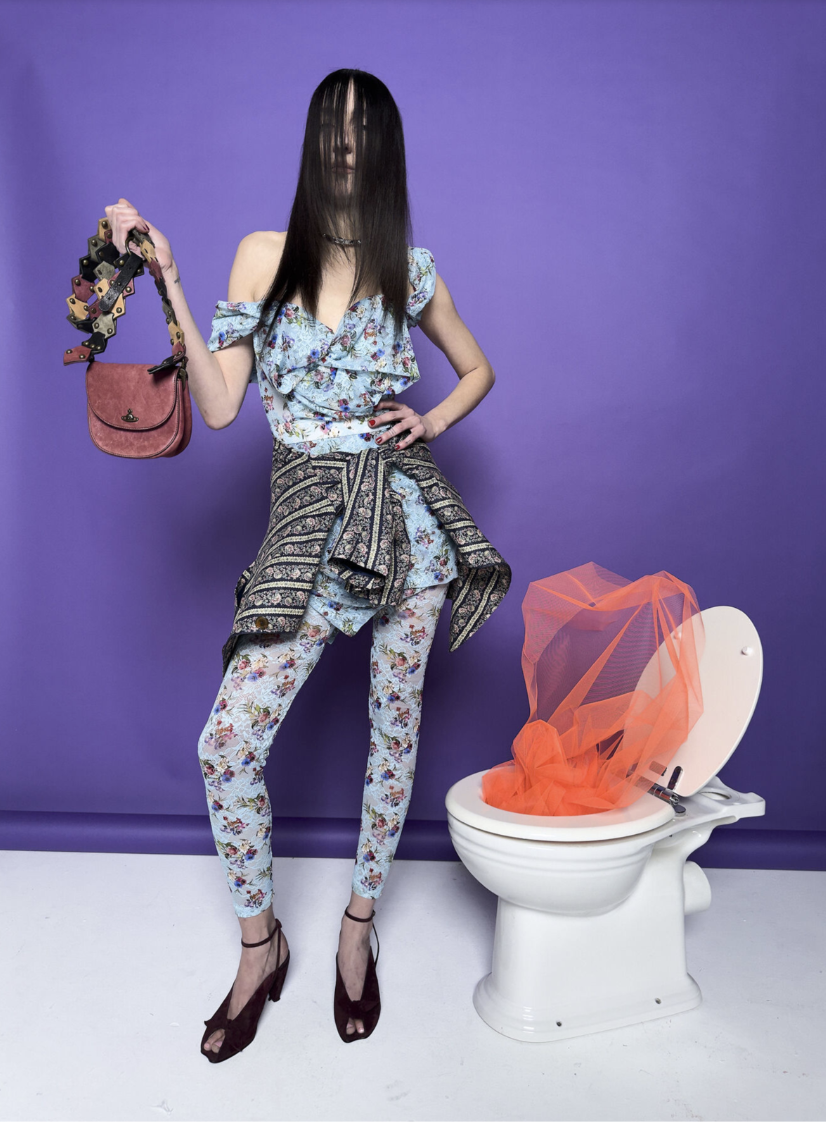
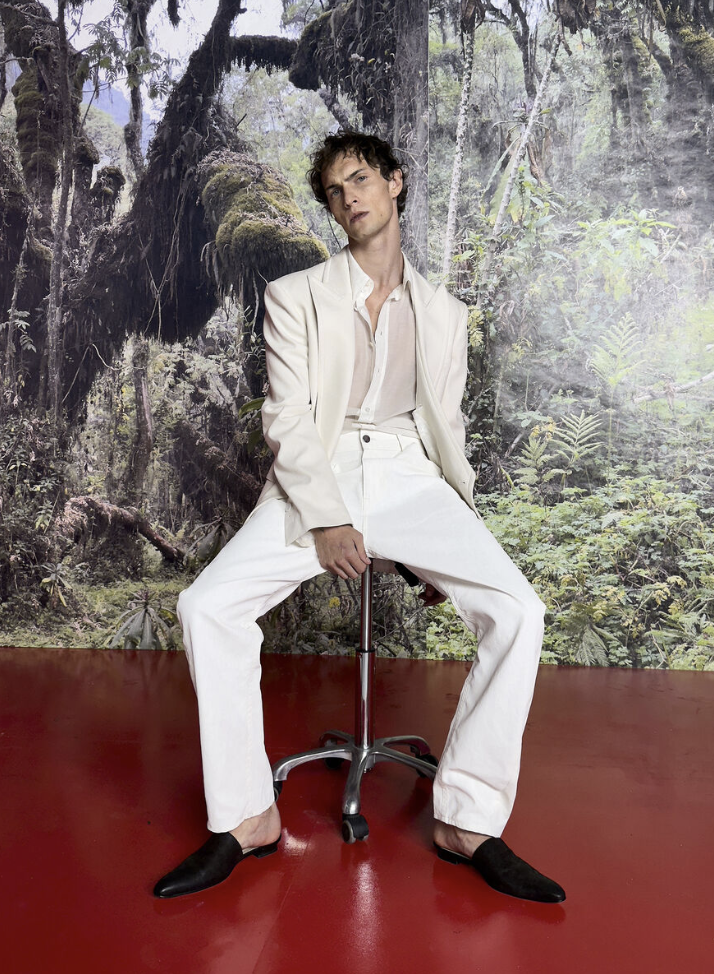
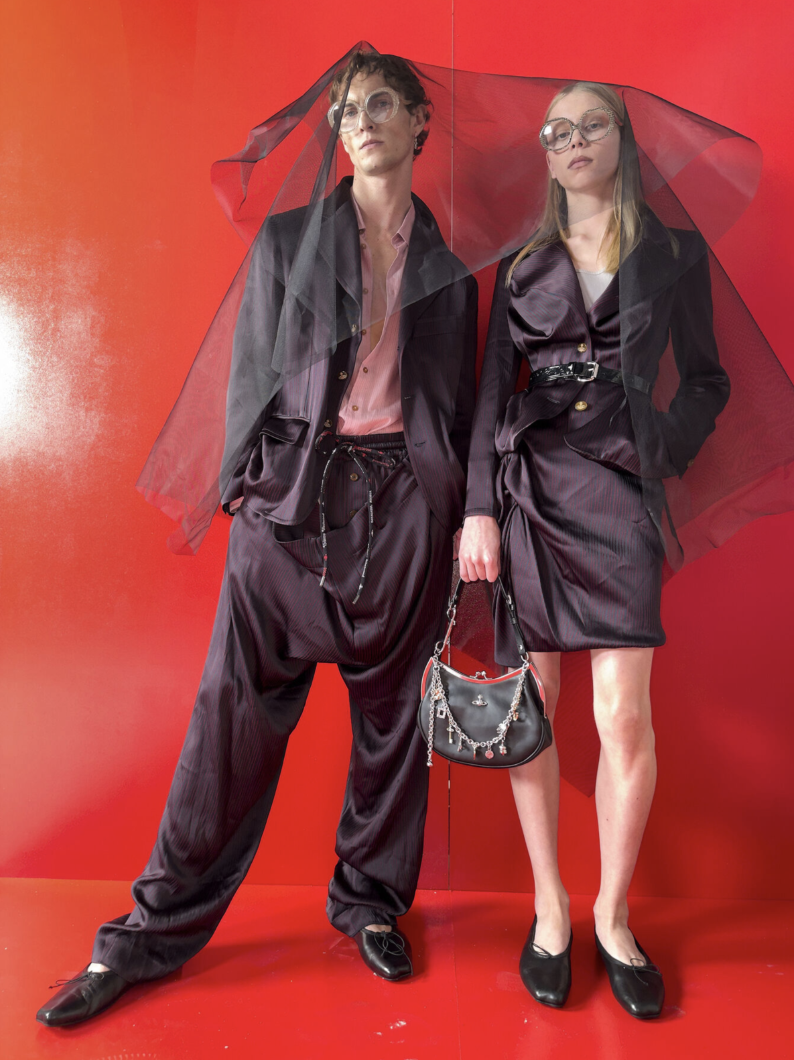
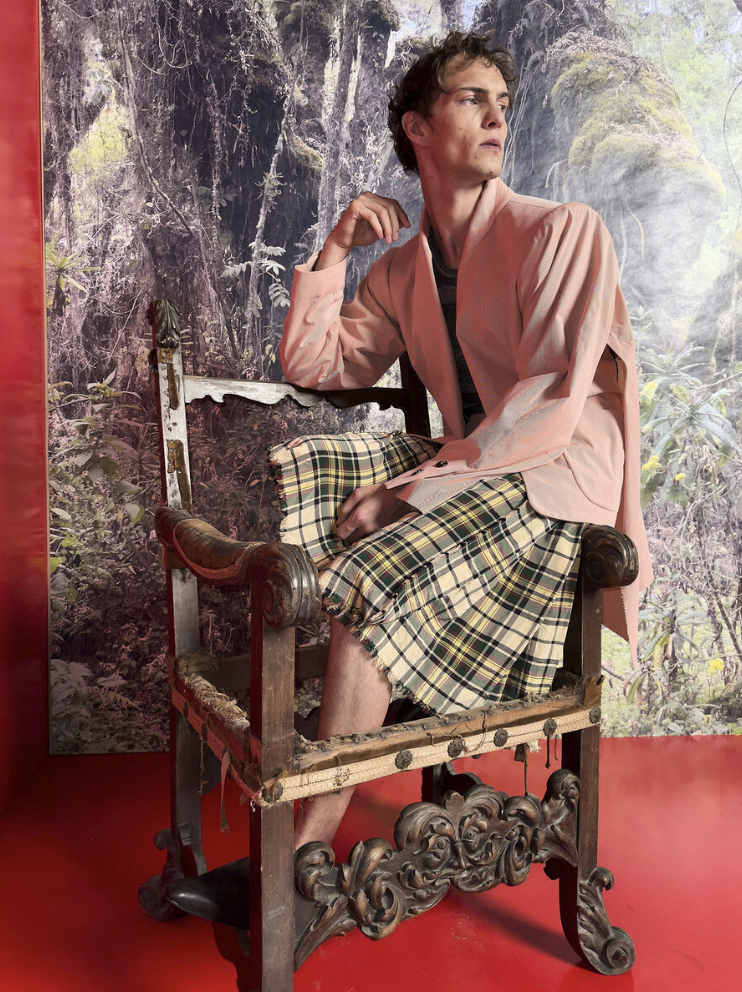
The S/S 2025 online collection is relatively monochromatic, with tailored silhouettes that are far less experimental than their predecessors. While classic features like tartan and corsets persist, the modern motifs are entirely new. And it’s not that I don’t believe that brands’ styles can evolve- my gripe with the Vivienne Westwood shift is that it’s not about style. It’s about culture and history. Though the modern designs maintain a look of quirk and charm, it’s only that- a look. It doesn’t appear to me that there is as much substance behind the designs as there used to be. Especially in an incredibly tumultuous global climate, there is so much opportunity to say more with the Westwood designs than be “cool”. From designs with an activist’s spirit to products from a corporate brand, it seems the Vivienne Westwood name has not only forgotten who it is but also doesn’t know who it wants to be. In a world that needs the outspoken more than ever, I implore the current minds behind the brand to remember Vivienne’s roots and continue to honor her by keeping her voice alive.
Vivienne Westwood’s evolution from the anarchist to apolitical consumer is a broader concern- if one of the boldest, most political, and stubborn fashion brands is losing its identity to commercialization and the rise of conservatism, the future of fashion and art in its entirety may be a dull one. It’s always been difficult to make waves in the political sphere, so what’s it going to take to wake us all up?