
Reel Roots: Inside The Powerful History of Black Hair in Hollywood
Credits: Creative Directer - Sabrina Winford, Photographer - Nyah Khan, Stylist - Sabrina Winford , Photo Assistant - Mini Serrano , Hair Styling - Odelia Akaho
Models: Mia WIlson, RJ Smith, Amen Dejene , Rafi Sanchez, Janyra Santos
For the black artist, it has never been just about aesthetics. It has always been about resistance, representation, and culture. Blackness often falls outside of the beauty standard that American society upholds. Still, instead of letting it hold us back, we let our natural features become symbols of pride and protest.
With glimpes into the golden age of Hollywood, the groovy 70s, and the early 2000s, strands of hair reflect shifting societal attitudes and what those shifts reveal about identity, power, and belonging.
Hollywood's First Frames
In these early years of cinema, black performers were frequently cast to serve white narratives, uphold racist tropes, and alter their appearances at the whim of white studio execs. Birth of a Nation (1915), the film that changed Hollywood history, cemented destructive stereotypes about black people that continue to echo through society's perception of Blackness today.
Despite this, icons like Josephine Baker rose above the constraints of stereotype to grace the screen with glitz, glamour, and gorgeousness. Their hair, however, was often styled in soft, loose curls or pressed waves, fashioned to resemble the loose curl popular among white actresses.
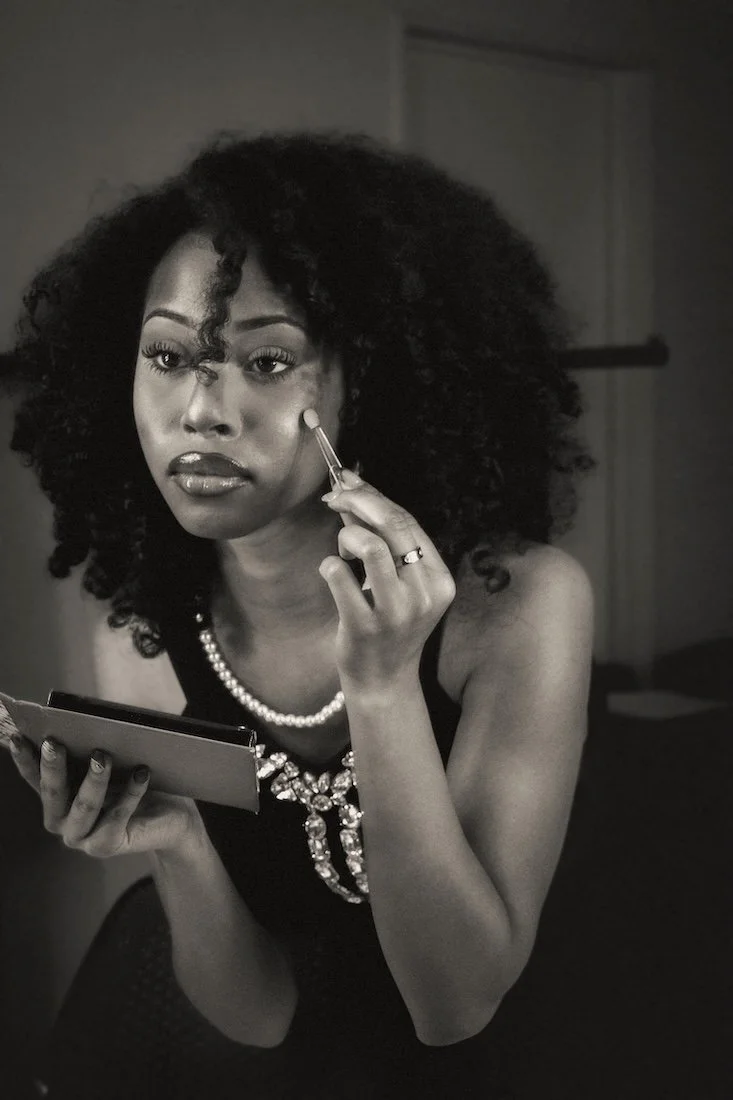
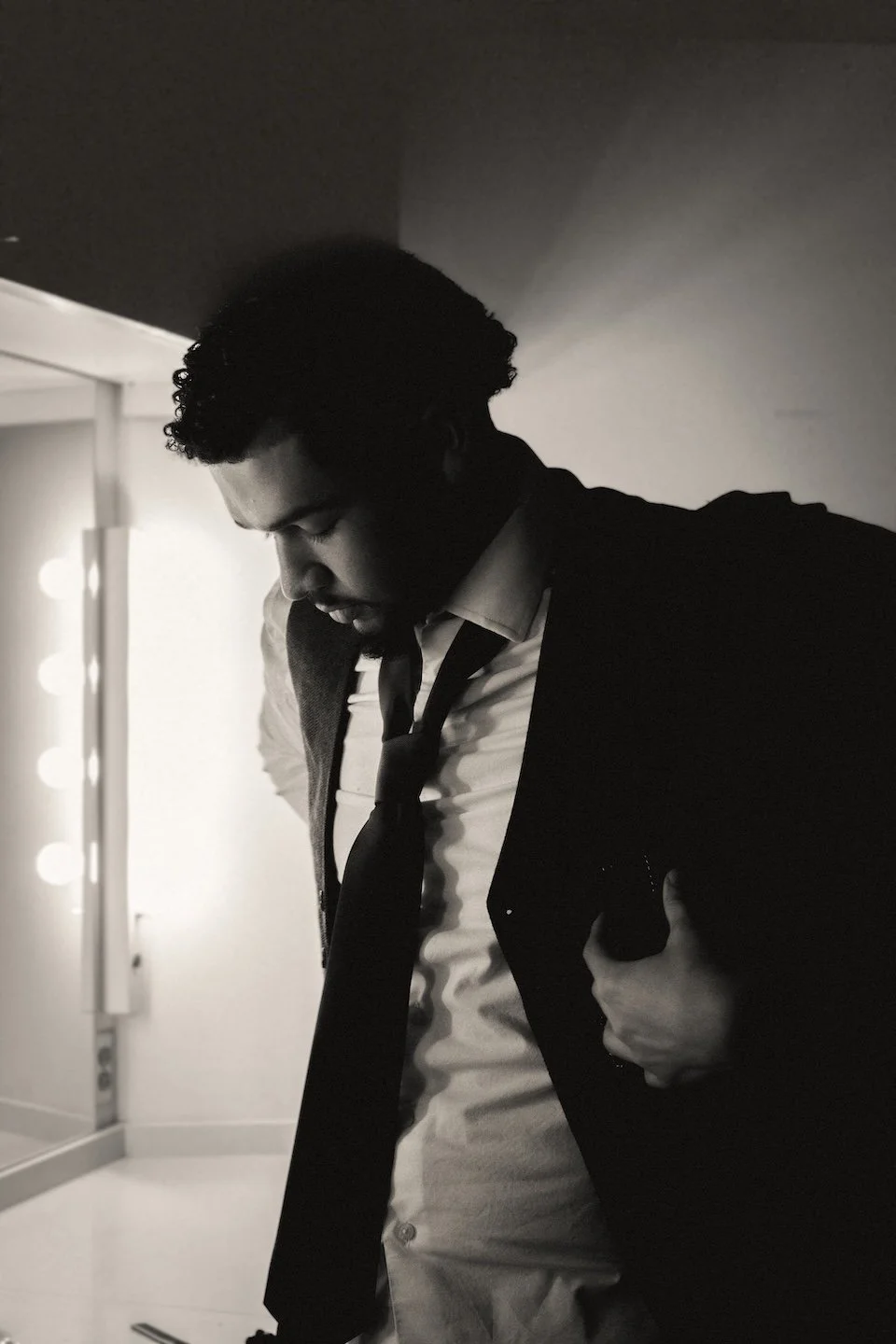
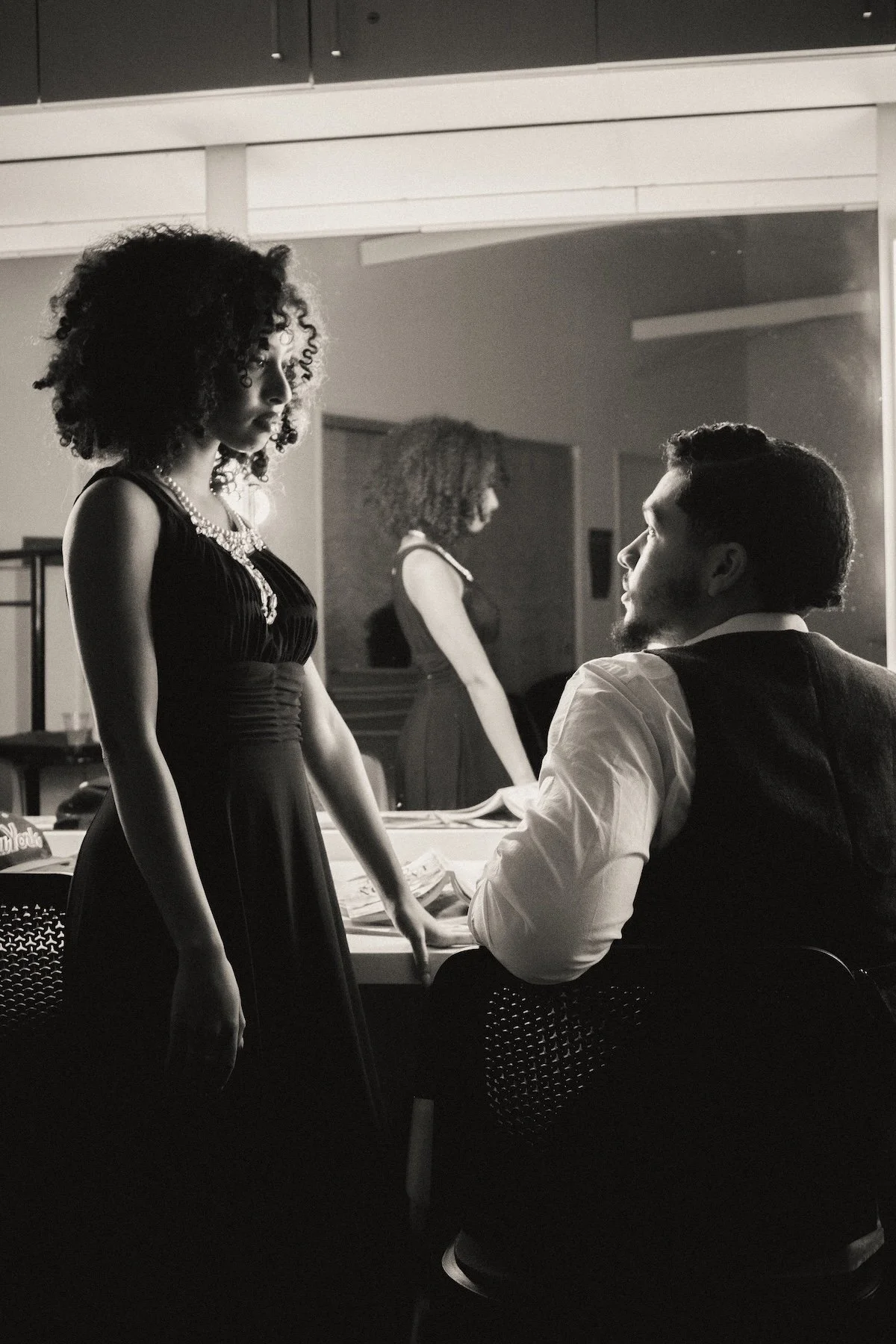
In our first look, we reimagine the black actress in a position of power: decked out in a rhinestoned dress and pearls, her curls are natural, glossy, with the same bold silhouette the golden age demanded. The black actor beside her is not confined to the role of the field hand or the jester; instead, he is the handsome love interest, getting ready to wear a sharply tailored suit, with natural hair neatly styled, embodying sweetness and strength.
The Era of the 'Fro
For decades following, black characters were still misrepresented on screen. However, the 1970s brought a delightful pocket of power and pride represented by the full, wide 'fro. The Civil Rights movement, just a decade earlier, had reshaped much of the country's values regarding equality and, in turn, its perception of blackness. The Black Power movement of the time gave black characters power, strength, and groovy badassness. What made this so new and refreshing was a newfound consideration of culture and heritage that finally made its way behind the scenes of the film industry.
Icons like Pam Grier and Ron O'Neil embody the new presence of blackness, something unfiltered, political, but also radiant. There is also a difference in how films are colored, which lends to the warm tones often found in dark skin, making them appear glowy and beautiful. Of course, we must discuss the Afro, the symbol of the 70s, but also an unapologetic symbol of identity and resistance. Films like Foxy Brown and Super Fly made natural hair an expression of pride and power.
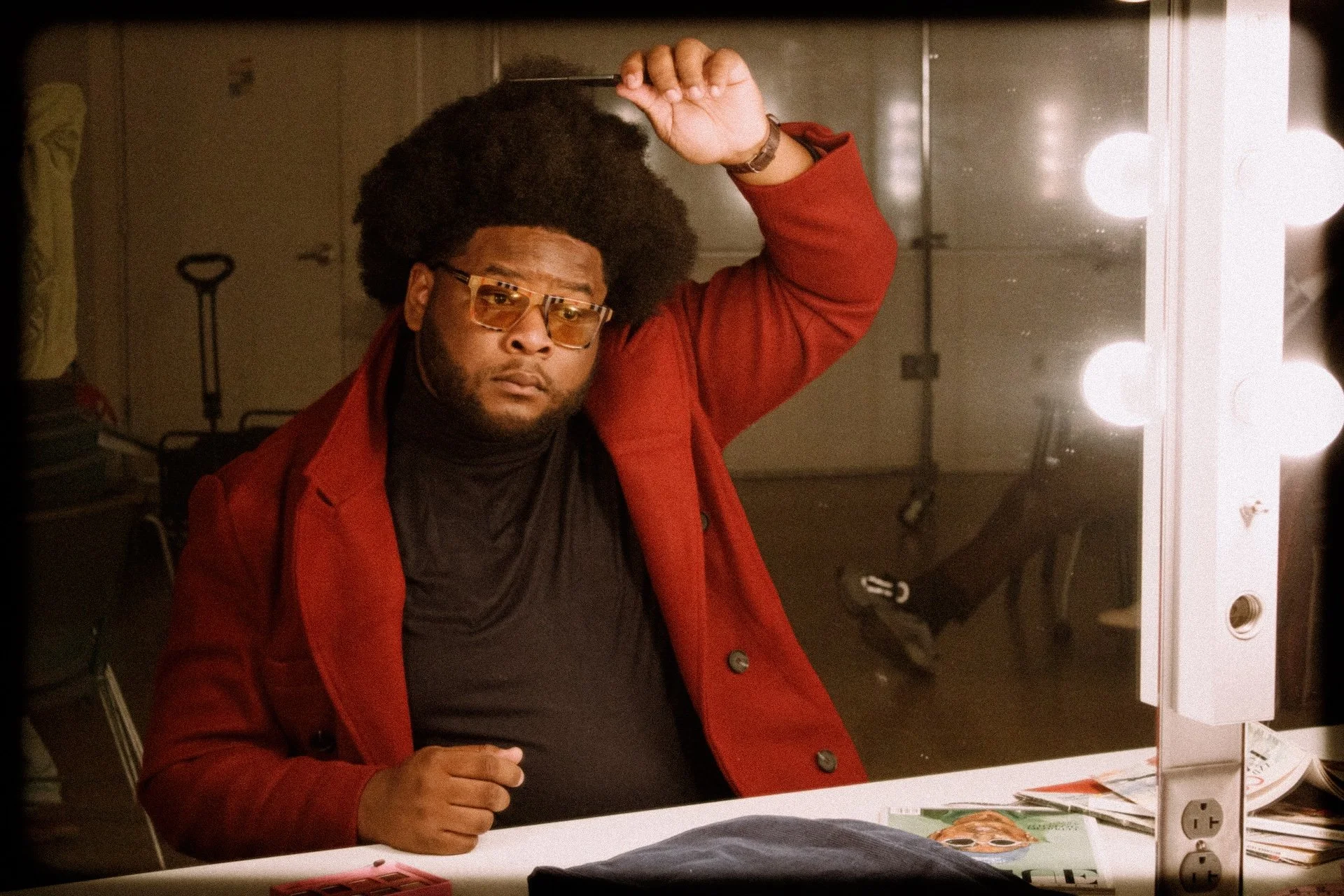
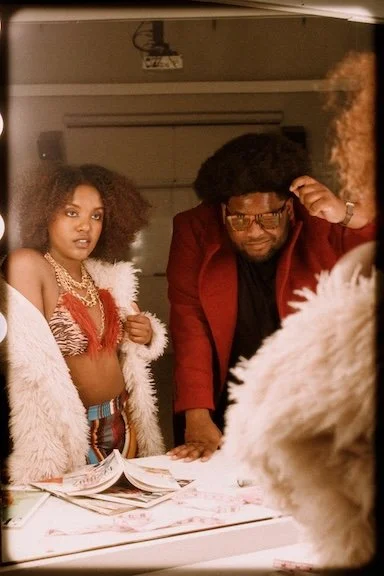
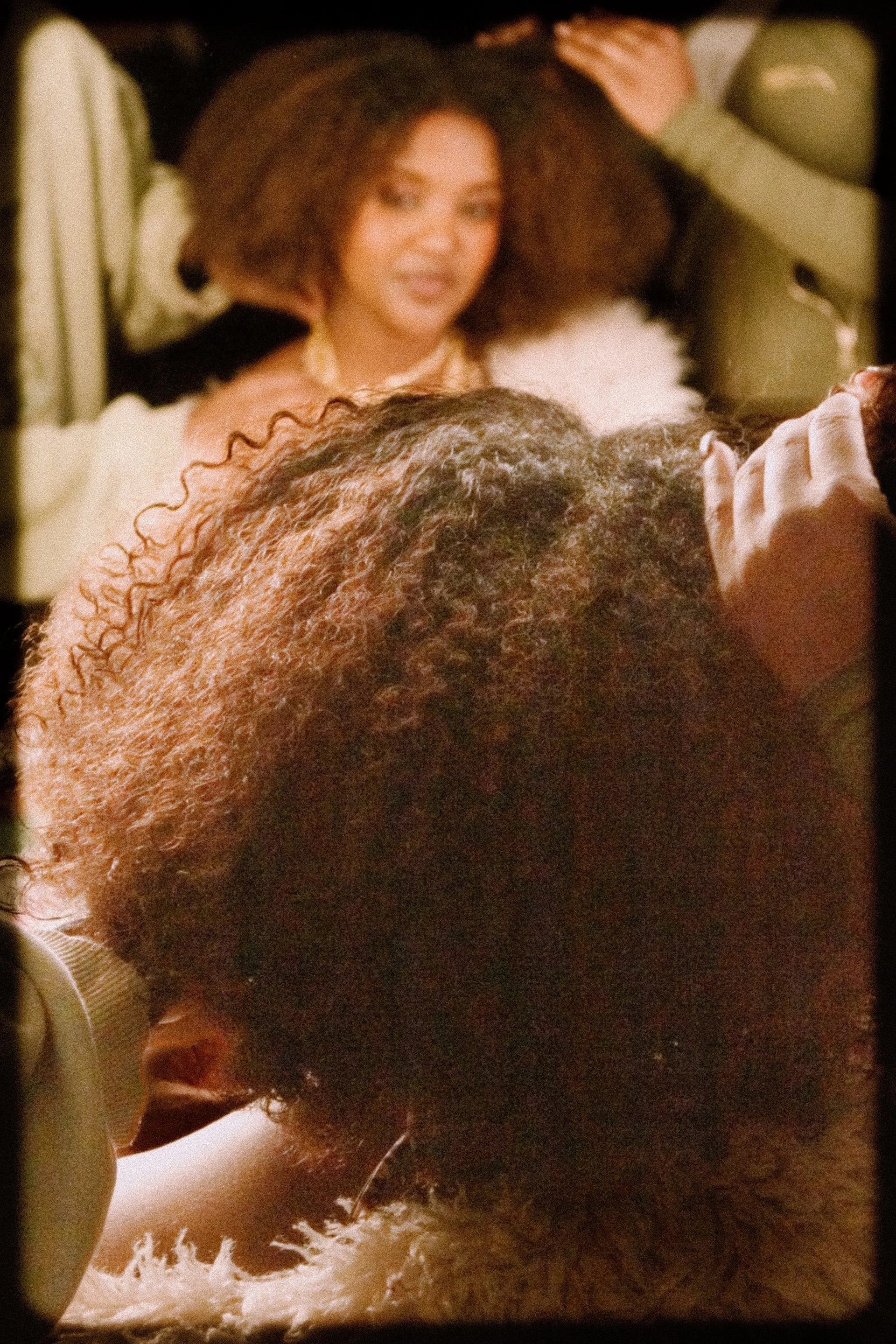
Our second look features the bold curly silhouette, furs, and a deep color palette that represents the political resistance of black Americans in the 70s. This period was no longer about assimilation; it was a declaration. Our models follow in the footsteps of our on-screen badasses of the blaxploitation genre, a badass-corruption fighting duo, karate chopping their way through the establishment to secure justice for all. But of course, they need to make a few touch ups before they can take down the Man.
The Beauty of the Everyday
If the 1970s shouted, the early 2000s exhaled. By this point, Black cinema had evolved from protest and resistance to presence and representation, sharing the beauty of the everyday black experience. Films popularized during this period, like Love & Basketball and Barbershop, captured the rhythm of ordinary life, no longer needing to imagine heroic situations or shoot badass fight choreography. Expression in hair followed that same comfort and lived-in feel. Braids, twists, faces, locs, and knots filled the screen, giving real-world hair diversity a chance to be shown to audiences. Hair expression now had the chance to be a means of personal expression.
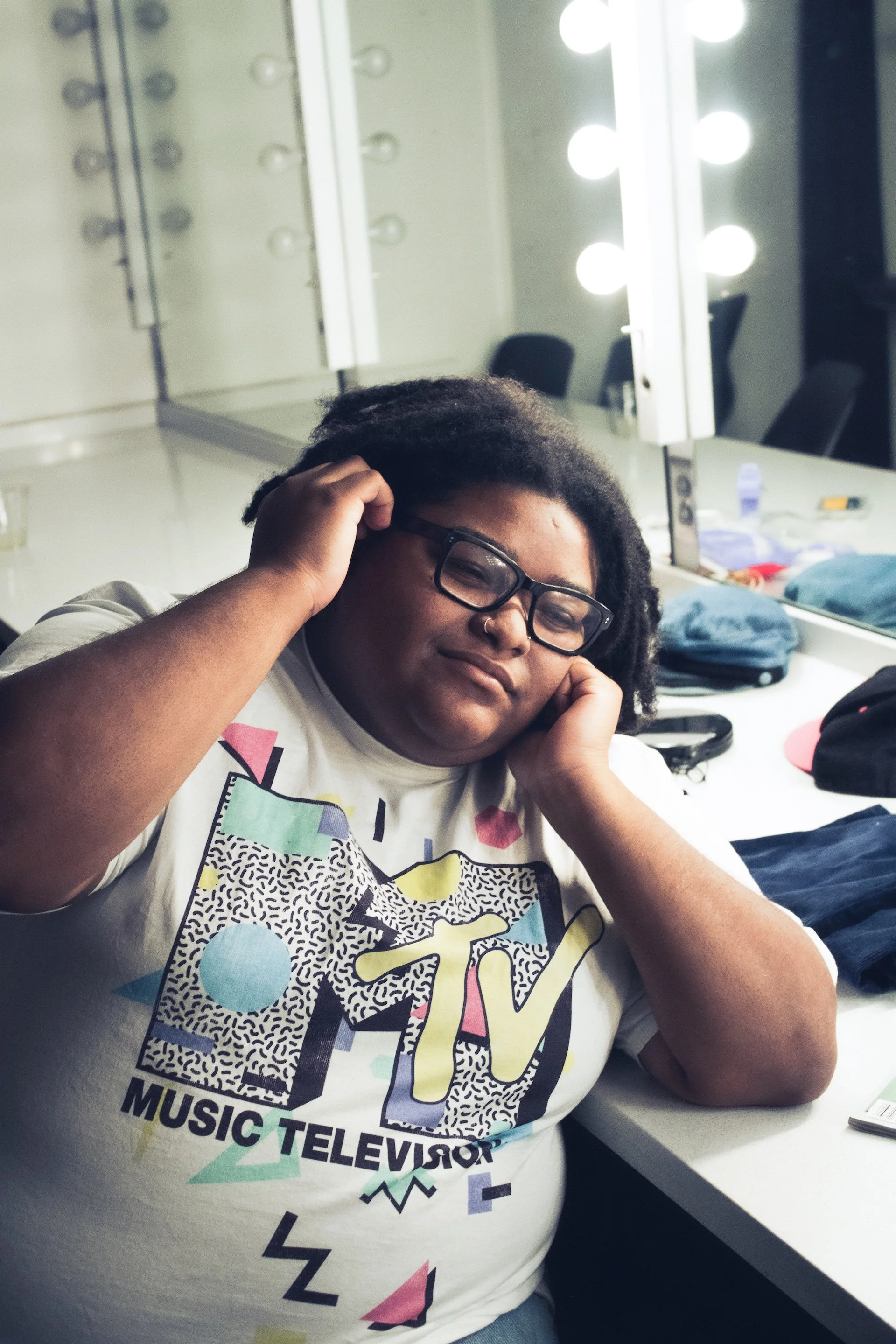
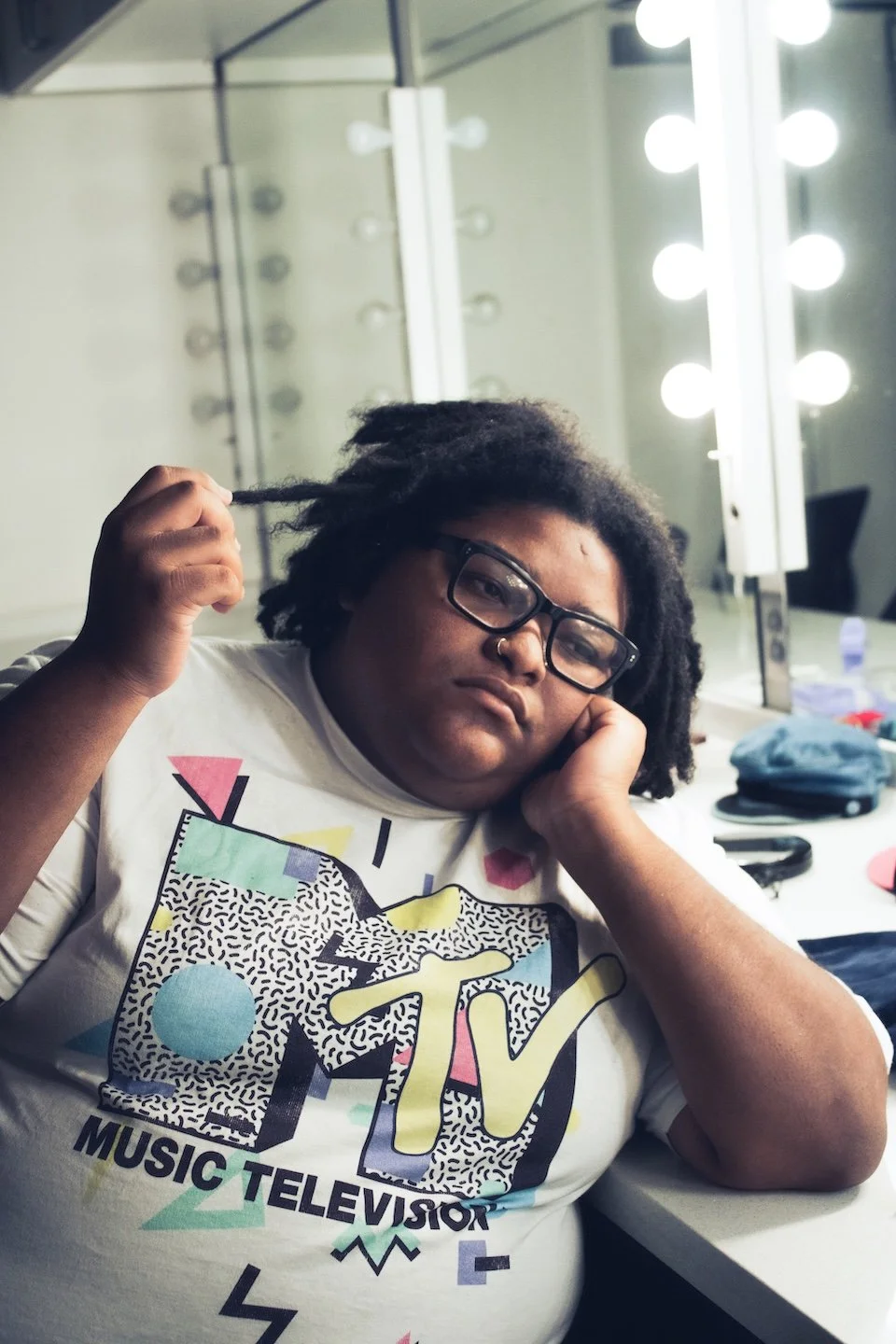
This third look is a love letter to this calm era in black film history, soft blue-toned colors, youthful, unruly locs, and the normalcy of life that black artists were beginning to portray on screen. No longer is there a fight to be seen; instead, we gave ourselves more opportunities to be heard. Coming of age, teenage life can feel slow, but our protagonist will wait patiently for their big day to come and disrupt their everyday routine. As they twist their locs, they drift off into daydreams of the adventures that await them.
Looking Back, Leaping Forward
Today, Hollywood has no single look, and all of the work of our ancestors has brought us to this moment. In modern film and media like They Cloned Tyrone, Atlanta, and Black Panther, black hair moves fluidly between fantasy, realism, and innovation. There is a newfound freedom that black artists continue to expand upon today. This is a new chapter in artistry where black writers, filmmakers, directors, and stylists are reclaiming control of the narrative.
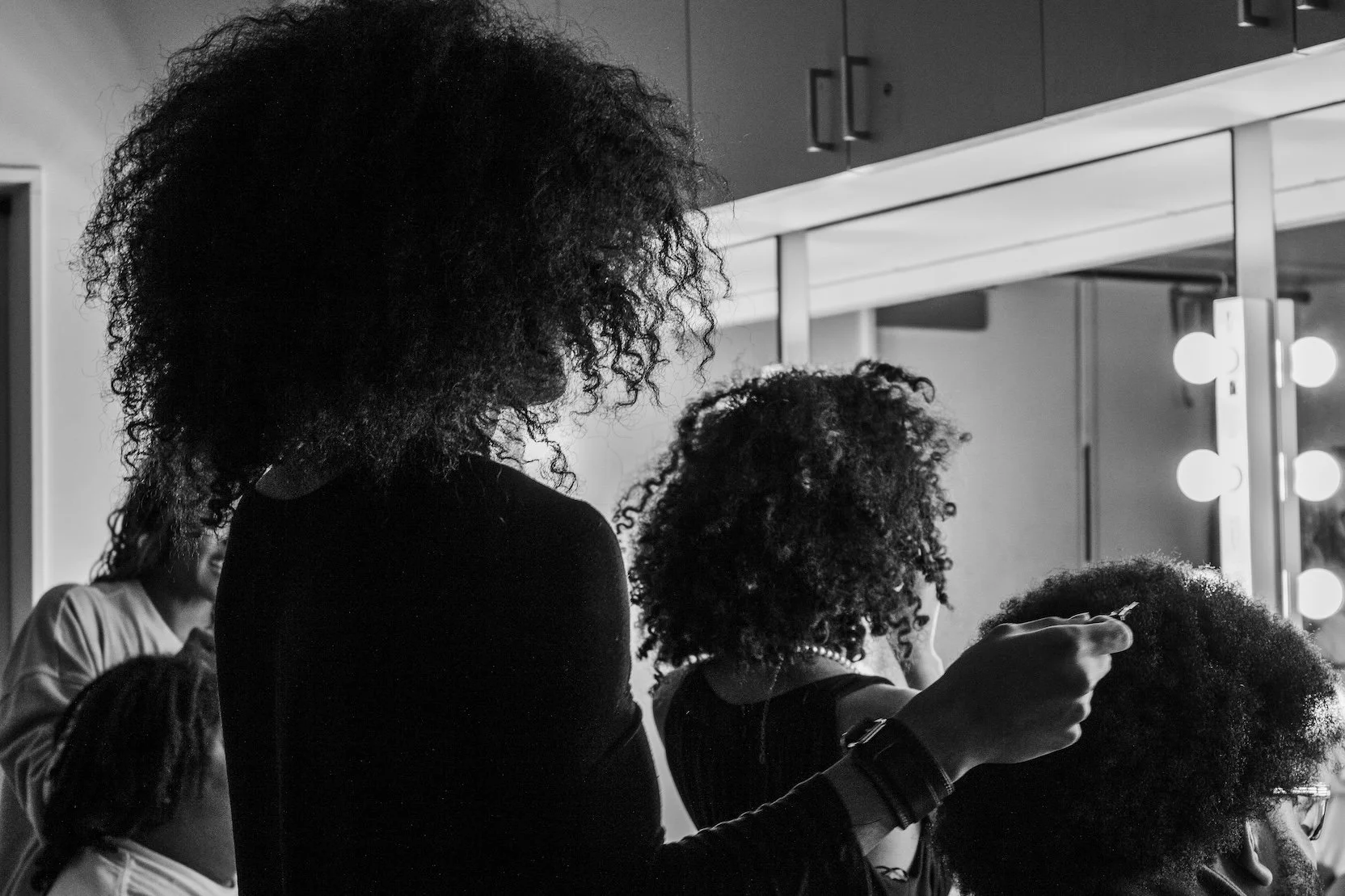
Our final shot pays homage to our roots and looks toward our future. As hair silhouettes change, we can see where we began and where we are now, knowing that in time we will be able to add another silhouette and expand our frame. Professor Vincent Williams of Africana Studies at Drexel University suggests that looking at hair in film is like shorthand: "You can tell when there are black people at certain levels of production. You can see when there is care and consideration in place." Present-day creatives like Issa Rae, Donald Glover, and Jordan Peele continue to voice their commitment to giving black creatives a seat at the table to continue creating with this consideration. This final image is a celebration of our multifacetedness; hair is not just aesthetic, it is a lived experience, a symbol of heritage, resistance, personal identity, and power.
"Their voices are submerged but whispering, 'Art is freedom. Follow me.'" - Kim McMillon.