
Luxury has always loved a comeback story, but the Balenciaga City Bag never actually left; it’s evolved. From paparazzi flashes in the early 2000s to late-night resale scrolls in 2026, the City has shifted platforms, owners, and cultural contexts without losing its edge. What began as a slouchy, rebellious alternative to logo-heavy arm candy has become something far more enduring — an example of how luxury evolves through circulation.
For Gen Z, the City isn’t just a “vintage” bag. It’s proof that real luxury is about longevity and individuality, not just untouched perfection. In a market where newness feels mass-produced and predictable, the City offers something rarer: character that deepens with time. Its wrinkles are evidence. Its resale presence reflects its demand. And through its continued movement across platforms and wardrobes, the City reveals a larger truth: luxury today doesn’t begin at the boutique. It begins at connection.
Why Gen Z Sees the Future in a “Vintage” City Bag
Evolution of an Icon
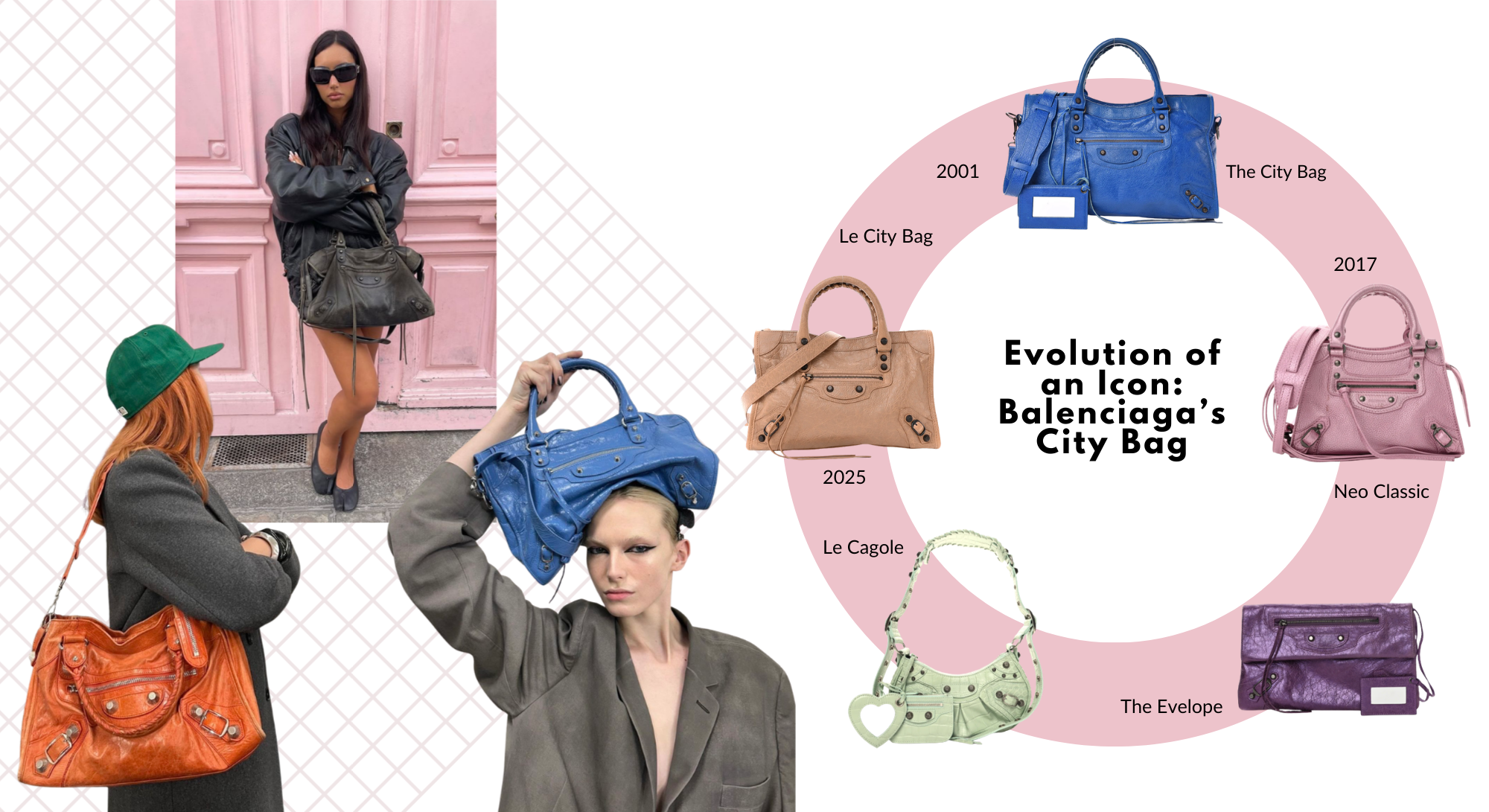
2001: The City Bag arrives: slouchy, undone, a little rebellious.
No rigid top handle posture.
No logo screaming for attention.
No perfection complex.
The leather wrinkles.
The corners soften.
The hardware dulls.
And somehow, it only gets better.
From Neo Classic to Le Cagole, the silhouette evolves, but the attitude never leaves.
The City Bag debuted in 2001 under Nicolas Ghesquière at Balenciaga, disrupting an era of polished, logo-driven luxury with its slouchy leather and motorcycle hardware. Initially produced in limited quantities, it became iconic when off-duty models like Kate Moss adopted it in the early 2000s, cementing its insider, anti-status appeal.
The City was never meant to sit untouched; it was meant to crease, travel, and live. That’s exactly why it thrives in resale. An accumulated story.
Where Gen Z Shops Resale
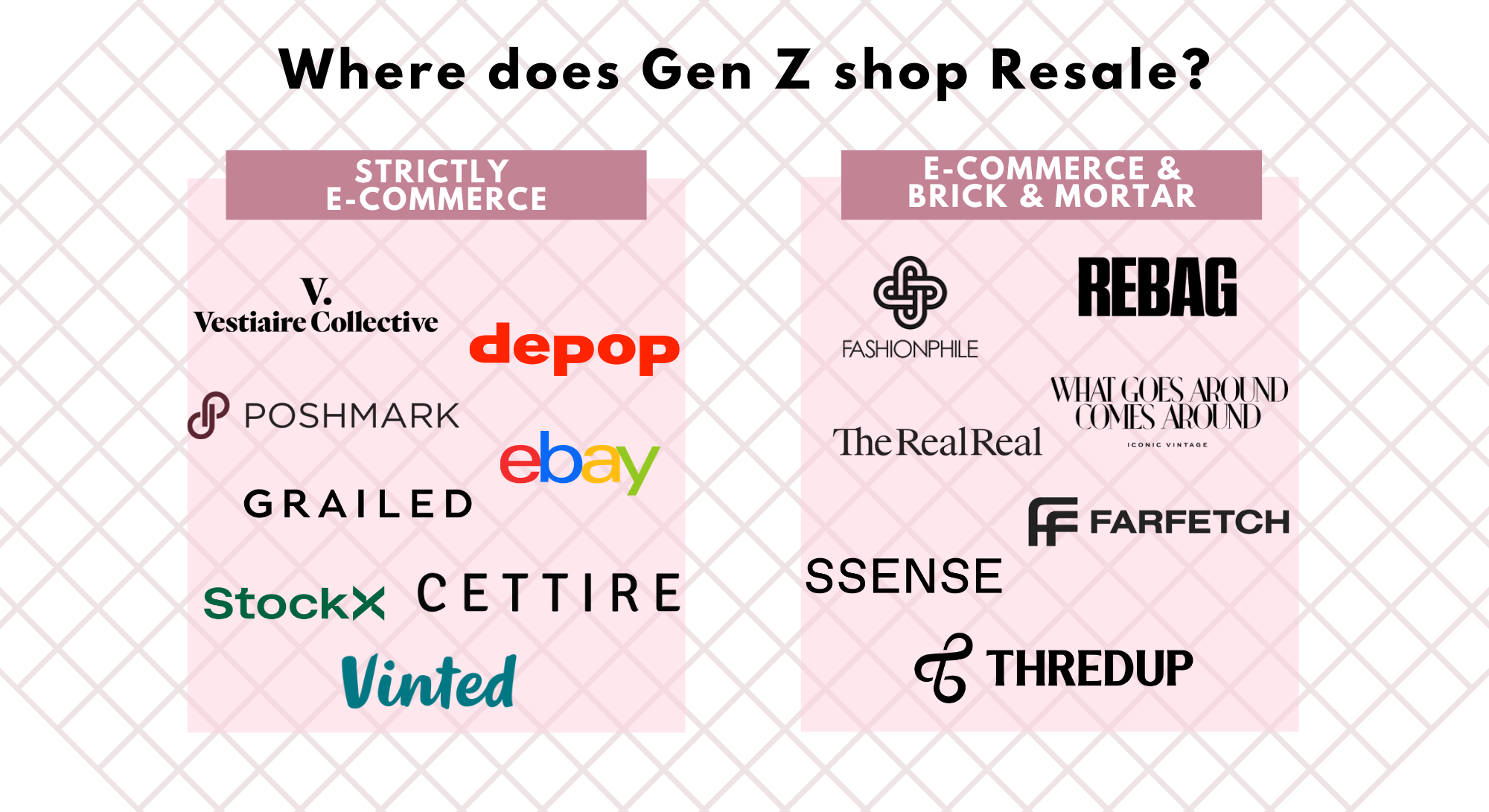
Luxury once began under chandelier lighting and marble ceilings. Today, it begins in the scroll.
For Gen Z, first exposure to heritage houses happens online. Raised in the digital economy, this generation shops socially, algorithmically, and often secondhand-first. Platforms like Depop, eBay, Fashionphile, and The RealReal function as discovery engines, where luxury is encountered through close-up images, authentication certificates, and descriptions noting “gentle signs of use.”
This shift reflects broader resale adoption. Gen Z gravitates toward online resale for accessibility, price transparency, and sustainability as well as autonomy. They are skeptical of inflated pricing and traditional heritage-driven marketing narratives. They value authenticity over polish, individuality over mass visibility, and they will not tolerate inauthentic branding or perceived overpricing. Within that context, the City Bag thrives. Its worn-in look signals legitimacy.
Why Vintage Feels Like Real Luxury
Vintage feels intentional. No two City Bags on resale look alike. The leather softens differently, the color shifts with wear, and the hardware dulls uniquely. That variation is luxury. Uniformity is easy. Uniqueness is status.
The bag carries early-2000s cultural memory — paparazzi flashes, airport style, and tabloid-era It-bags — seen on figures like Nicole Kidman and Sarah Jessica Parker. It signaled effortless, insider cool: anti-logo, slightly undone, unmistakably lived-in.
Now reinterpreted in Gen Z wardrobes, it isn’t nostalgia; instead, it’s inheritance. So, when 40% of Gen Z say they turn to resale because they can’t find what they want in stores, this is what they mean: retail offers polish; resale offers personality.
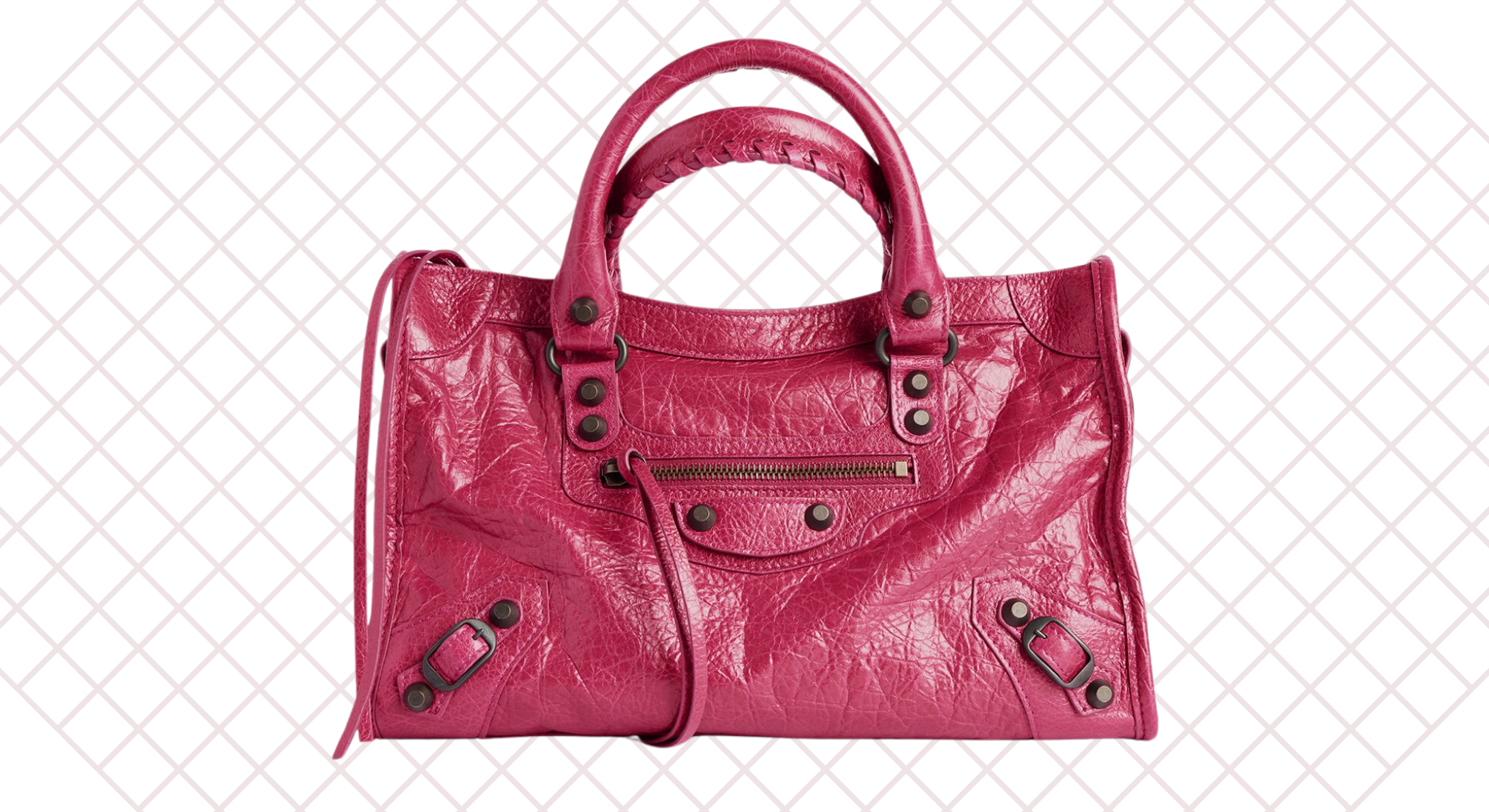
The Economics of Permission
Gen Z came of age amid inflation and economic uncertainty while luxury remained hyper-visible online. That tension reshaped market entry. Resale offers a lower-risk access point: a vintage City Bag allows participation in luxury with less financial exposure and greater perceived responsibility.
For many consumers, resale serves as a trial mechanism, building familiarity with quality, craftsmanship, and brand identity before committing to full-price retail. While not every resale buyer converts, secondhand often acts as an early touchpoint that can reduce barriers to boutique entry and potentially support long-term brand loyalty as income grows.
The Circular Loyalty Loop
Here’s what luxury houses are quietly recognizing: the City Bag circulates. Bought on resale, restyled for a new era, resold, traded up, and re-entered into the ecosystem, the product keeps moving while the brand remains culturally visible.
Resale extends a product’s lifespan, keeping it in use longer and shifting consumption away from linear disposal toward long-term circulation. Instead of demanding constant new production, value is preserved through reuse, trade, and stewardship, particularly among younger consumers who see longevity as part of luxury itself.
This isn’t dilution; it’s durability. Loyalty sustained through relevance, retention, and reuse.
Through the Lens of the City

Through the lens of the City Bag, something larger comes into focus: resale isn’t secondary luxury, it’s foundational luxury for a generation redefining value. Look closely at a resale listing: softly creased handles, supple edges, visible signs of life. Gen Z reads this as authentic. Luxury, therefore, begins at connection. The City never left — it simply changed hands.