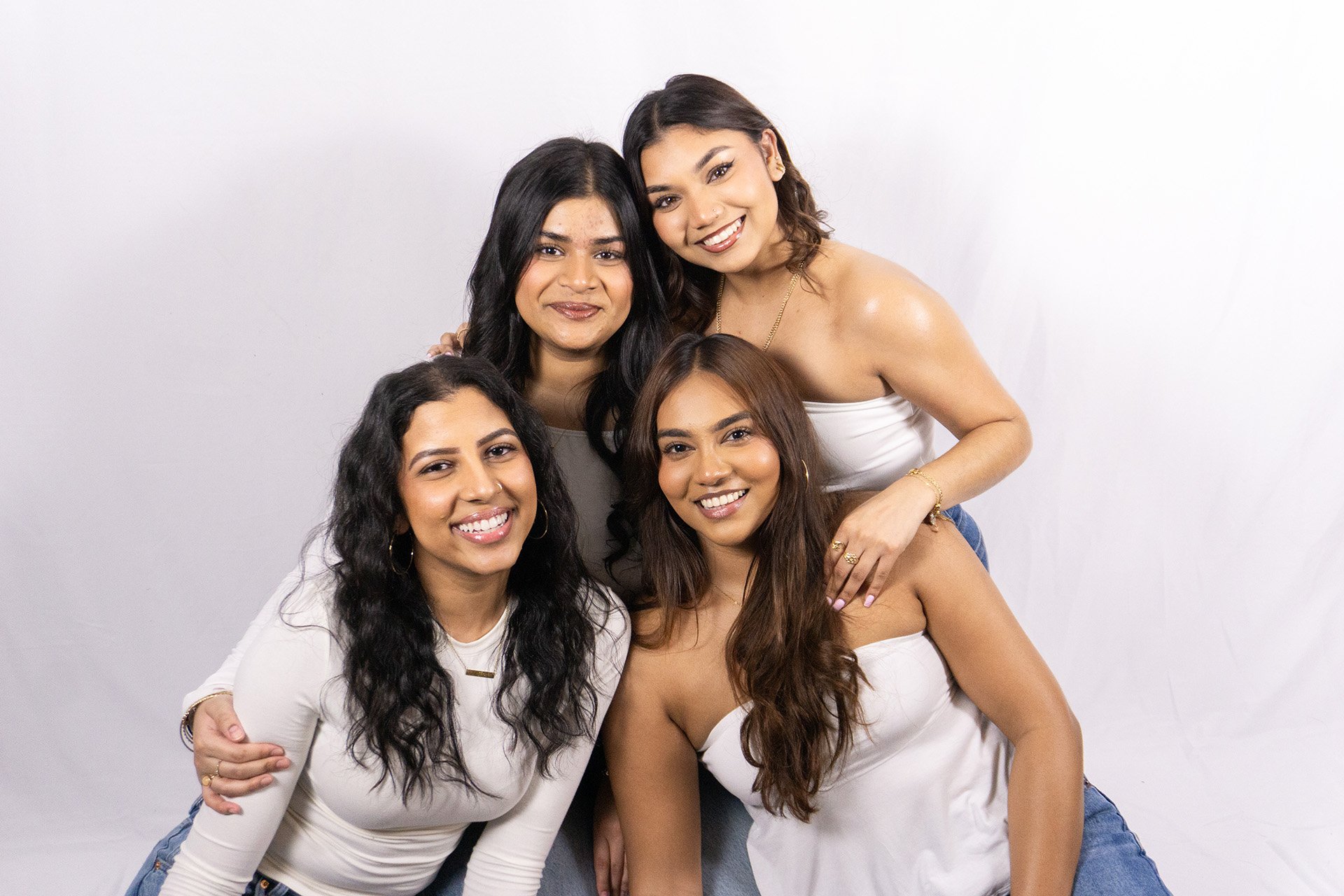
Breaking Brown Beauty Standards
Photographer: Nyah Khan
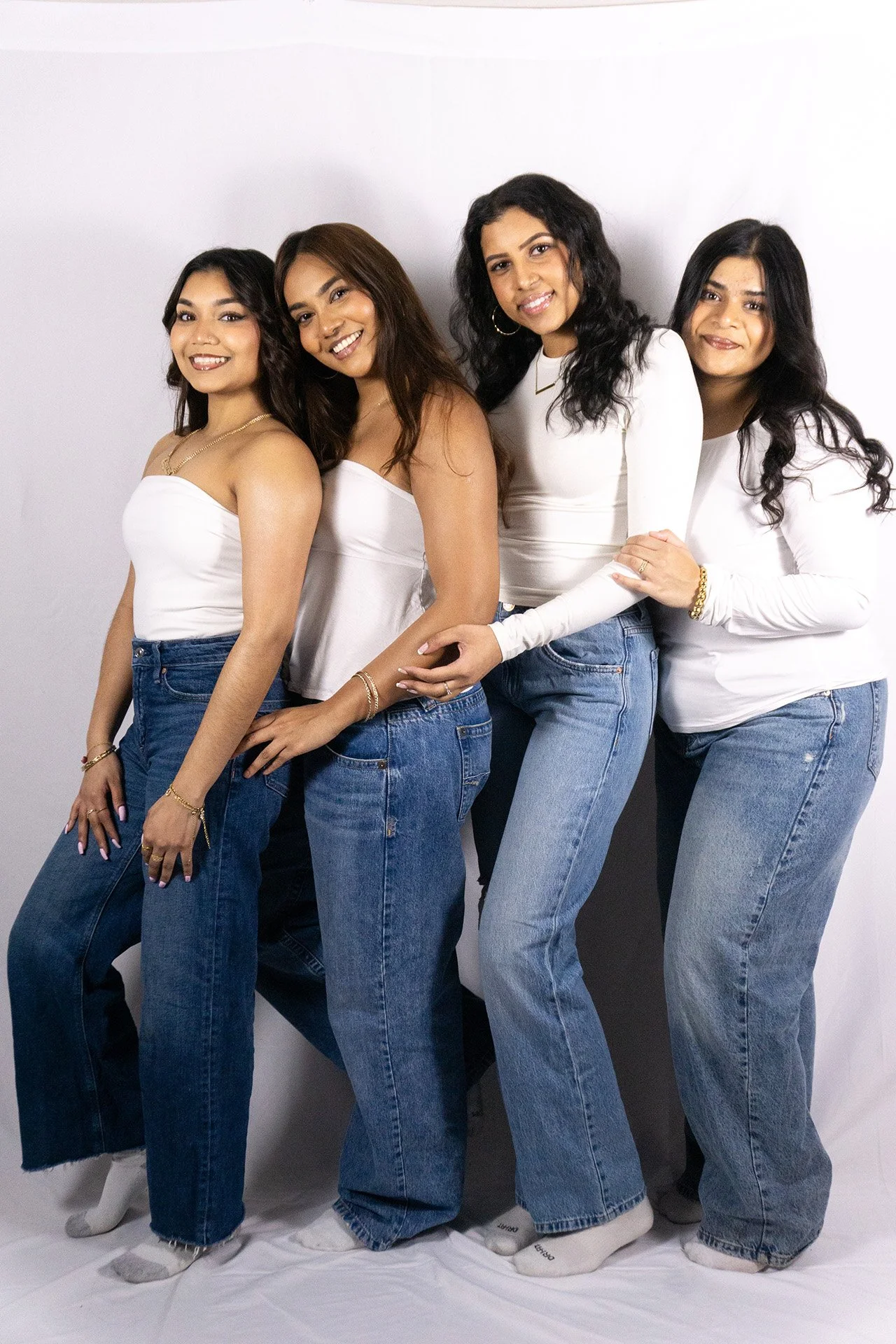
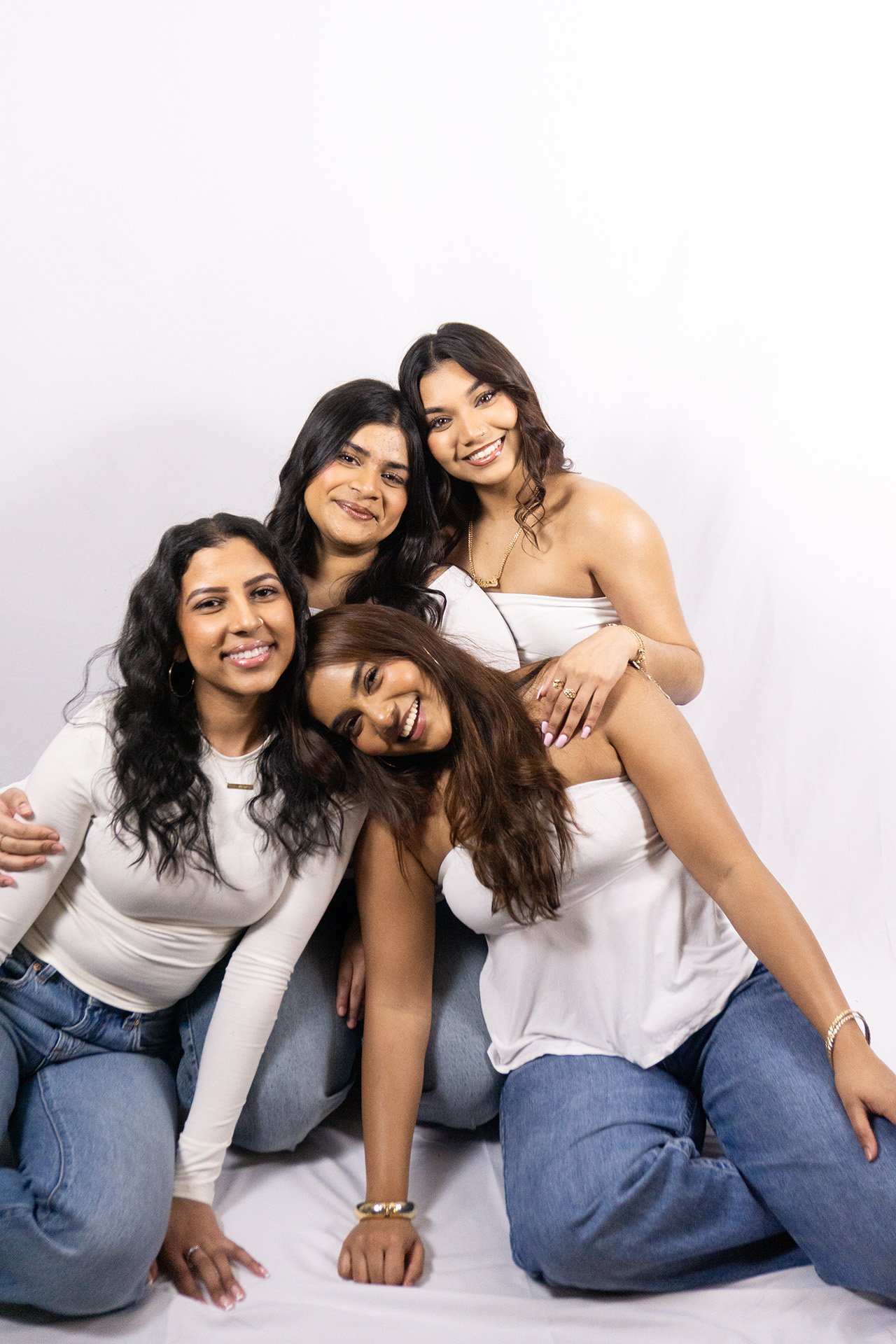
Models: Kanishtaa Ariyaratne, Shrushti Patel, Ciara Latchman, Tyesha Malgireddy
If you grew up in a South Asian household, chances are you have heard at least one comment about your appearance at a family gathering. Maybe it was a relative telling you not to spend too much time in the sun. Maybe it was someone pointing out that you had gained weight, or comparing you to a thinner cousin. These remarks are often brushed off as casual conversation, but they can stay with you for years. I know this because I have heard every one of these comments myself, many of them long before I was even old enough to understand my own body.

One of my earliest memories of becoming aware of my body happened when I was around seven years old. At the time, I was just a kid enjoying food at family gatherings, but I remember hearing comments about getting “a little chubbier.” As I got older, the remarks continued in different forms. I was told to watch what I was eating, sometimes even in the middle of a meal. If I reached for a second helping, an uncle would suggest that I would be fine without it. Other times, the comparison came indirectly, through comments about my cousins who were thinner than I was or reminders that my sibling had lighter skin than I did.
Looking back now, what stands out most is how early in my life these comments began. Most of them happened before I had even reached puberty. Hearing them repeatedly made me feel like my body was something that needed constant monitoring and adjustment.
When I started talking about these experiences with my roommates, I realized how familiar these moments were for all of us.
Ciara remembers how conversations about food and weight often happened at the same time. If she ate less, her relatives would question why she was not eating. If she ate normally, someone might comment on her body. “Aunties have told me my stomach was sticking out,” she explains. At one point, a doctor noted that she was underweight and encouraged her to eat more. But once she began gaining weight, the comments shifted again, and the same people began pointing out changes in her body.


For Shrushti, the comments often came from a familiar character many South Asian families recognize: the outspoken aunty at family gatherings. “There is always that one aunty who feels the need to comment,” she tells me. As a child, she remembers hearing remarks like “That t-shirt is too tight on you” or “You need to watch what you’re eating.” Other times, the comment came as a question disguised as concern, like an aunty asking, “Are you sure you want to eat all that?
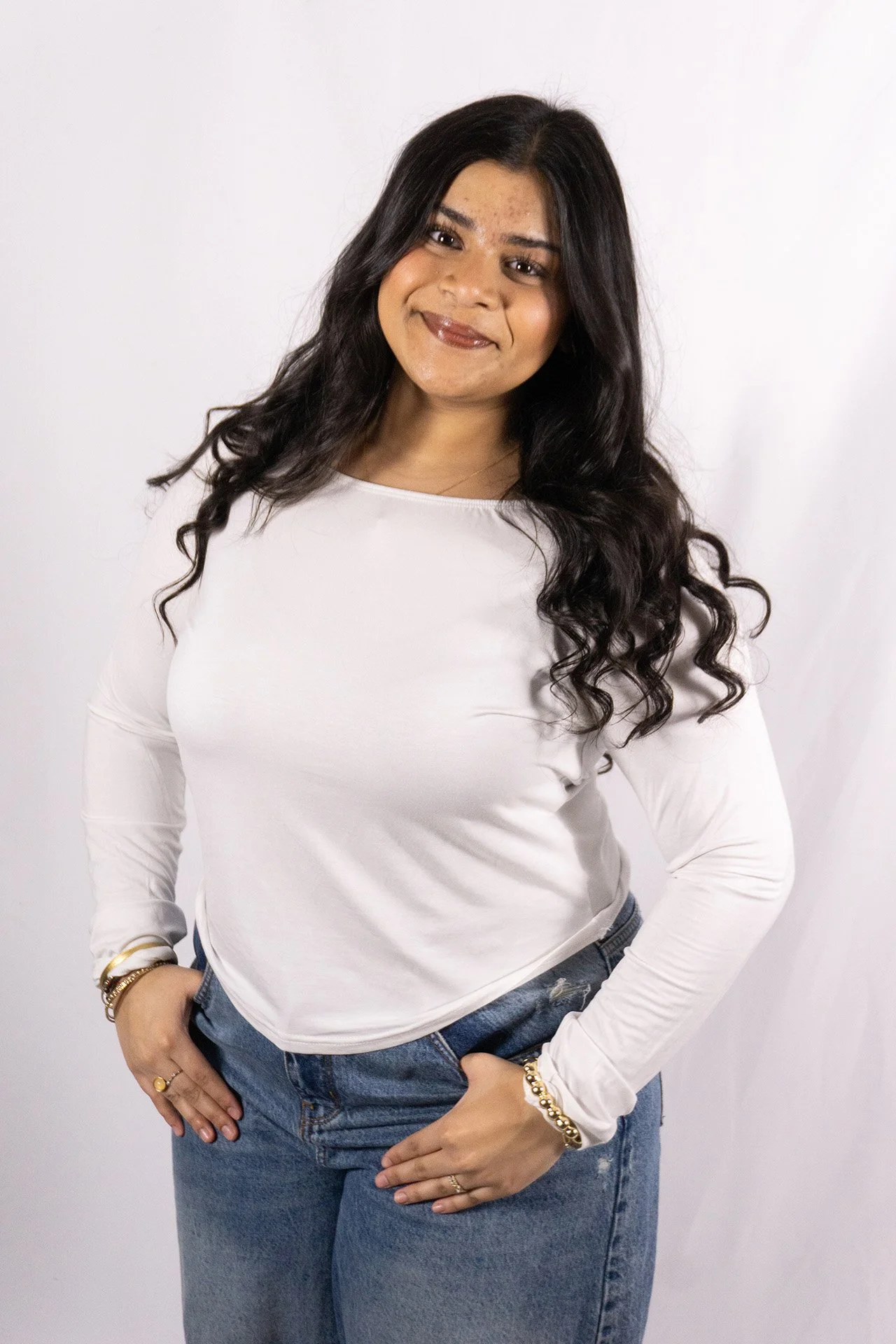
Tyesha’s experience looked a little different but carried the same sense of scrutiny. Growing up with psoriasis meant her skin often became something people pointed out, even though it was not something she wanted attention drawn to. “People would tell me not to go out in the sun because it would make it worse,” she says. Others suggested foods she should or should not eat to control her psoriasis. At the same time, aunties would offer remedies for acne or recommend skin treatments she had never asked for. Hearing the same advice over and over again became frustrating, especially when it was about things she already understood about her own skin
Many of these comments came from immediate family members who believed they were offering guidance. In many South Asian households, talking about appearance is often framed as care or concern.
But intention does not always erase impact.
The women pictured in this editorial are my roommates and close friends. We come from different ethnic backgrounds and have different body types, heights, and skin tones, but we grew up hearing many of the same comments about our appearances.
Today, those comments no longer define how we see ourselves. Standing together, there is an ease in simply existing in our bodies without comparison. We lift each other up and remind one another that confidence does not come from fitting someone else’s idea of beauty.
These images are not about creating a new beauty standard. Instead, they show me and my roommates as we are today, women who have grown into comfort and confidence in our own skin. While the comments we heard growing up may have shaped parts of our experiences, they will not shape the next generation.
This cycle of comparison and conditional beauty ends with us.