
A Hidden Cat Haven in the Heart of Mantua
When I first moved to Mantua, I went for a run to get to know the neighborhood, as I always do in a new place. A few miles in, drenched in cold sweat and barely catching my breath, I spotted an unassuming tabby cat on the corner of 32nd and Spring Garden. As the cat lady I am, I could not help but go after the kitty. Delirious and likely dehydrated, I followed the cat as if I were Alice in Wonderland, not knowing that this little moment would eventually lead me to the same kind of quiet joy that I keep going back to almost every day.
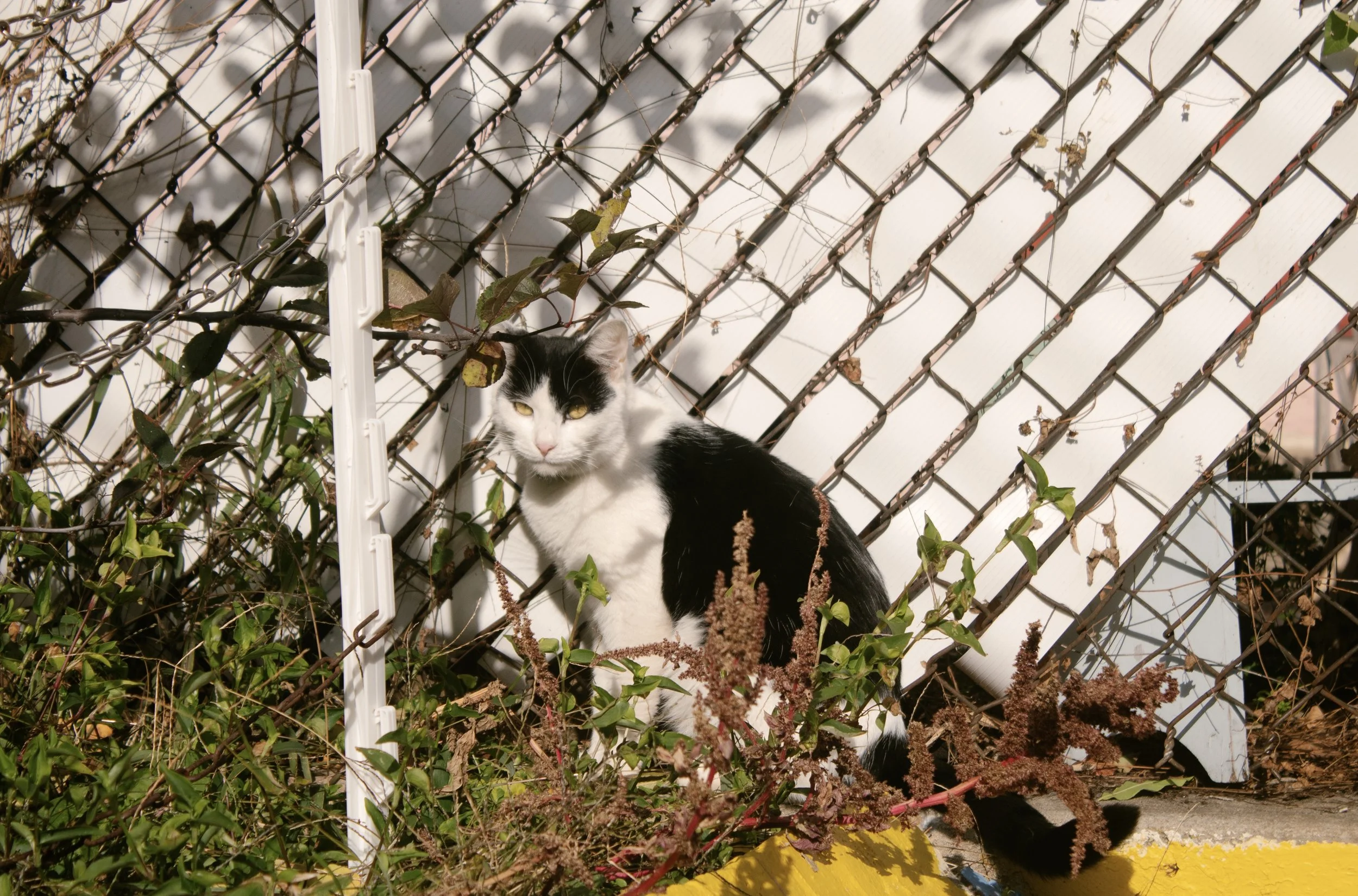
The cat led me down the 500 block of North 32nd, then left onto Brandywine, and right onto Natrona. There it was. I saw not one, not two, but five cats. I shook my head multiple times, wondering if I was imagining it (spoiler: I wasn’t).
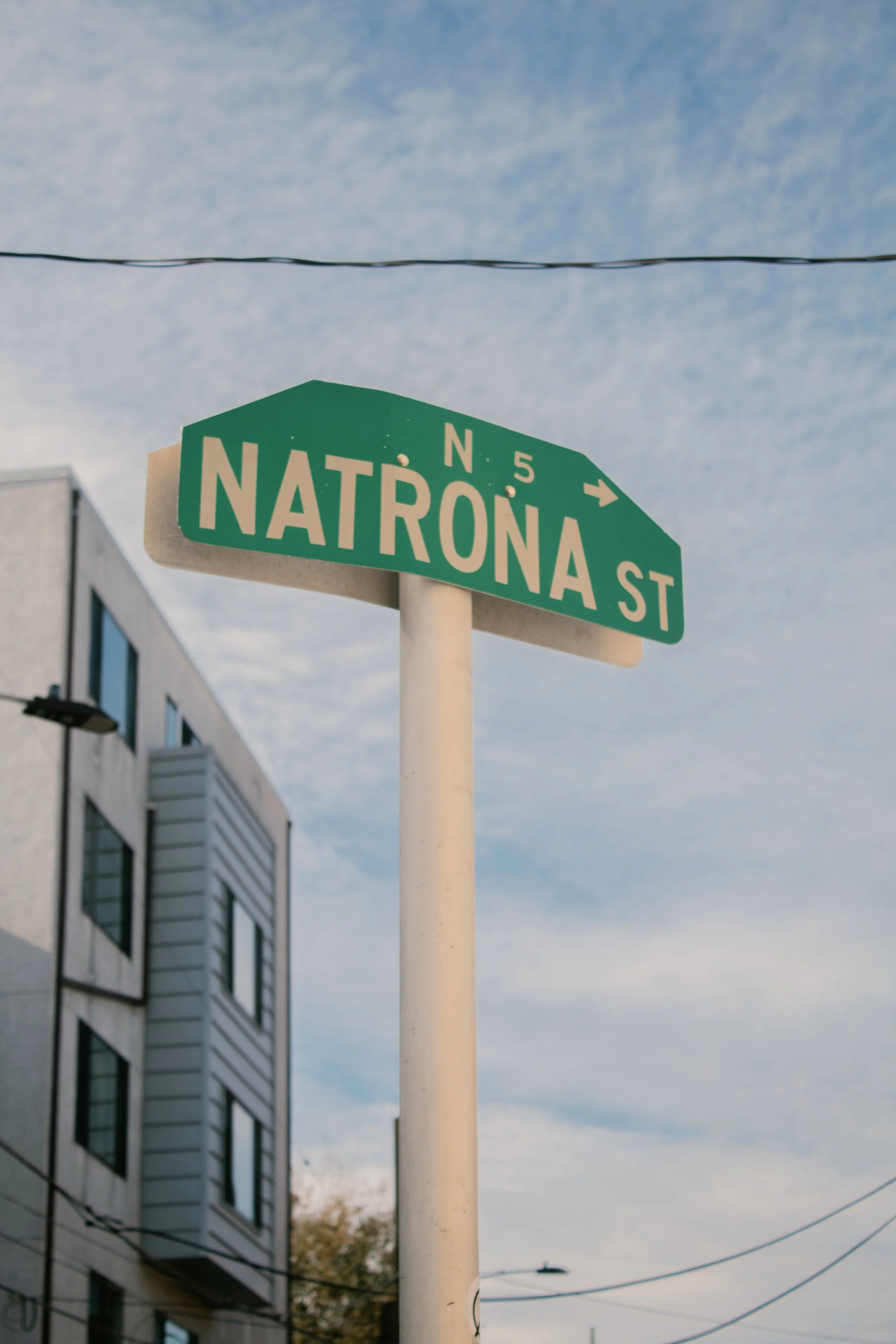
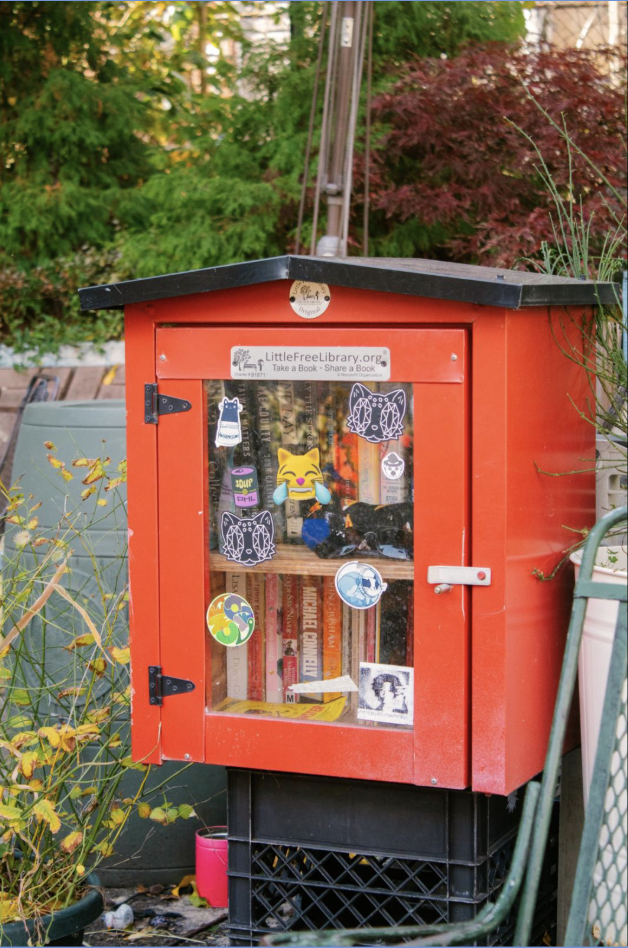
Cat Park sits on a quiet lot along the 500 block of Natrona Street. A hand-painted mural brightens the wall. Garden chairs and lush greenery fill the space, surrounded by flowers, a Free Library, and of course, cats. It is something of an open secret in the Drexel community. Not exactly hidden, but not widely advertised either. Still, it has become a small hub of joy for students living off campus. Plenty of people stop by daily, and some have become regulars. Yet few know the story behind it (I certainly didn’t). “It’s just a nice place to sit by and chill, and the cats are nice,” said a student when asked what he knew about Cat Park.
The Couple Behind Cat Park
On any regular day at Cat Park, you might spot Khang watering plants, feeding cats, or walking his two dogs, Axel and Aaron, with a cat or two trailing behind. I have gotten to know him and his kind, caring personality through my frequent visits to the park. He has helped me rescue cats on more than one occasion, so I always make it a point to say hello in gratitude.
When I first pitched this story, I thought it would be about him, the “Cat Park Guy.” But when I approached Khang one afternoon to ask for an interview, he shook his head and laughed. “You don’t want to talk to me,” he said. “It was James, my partner, who started the whole thing.” He gave me James’s contact info, and I left even more curious than before.
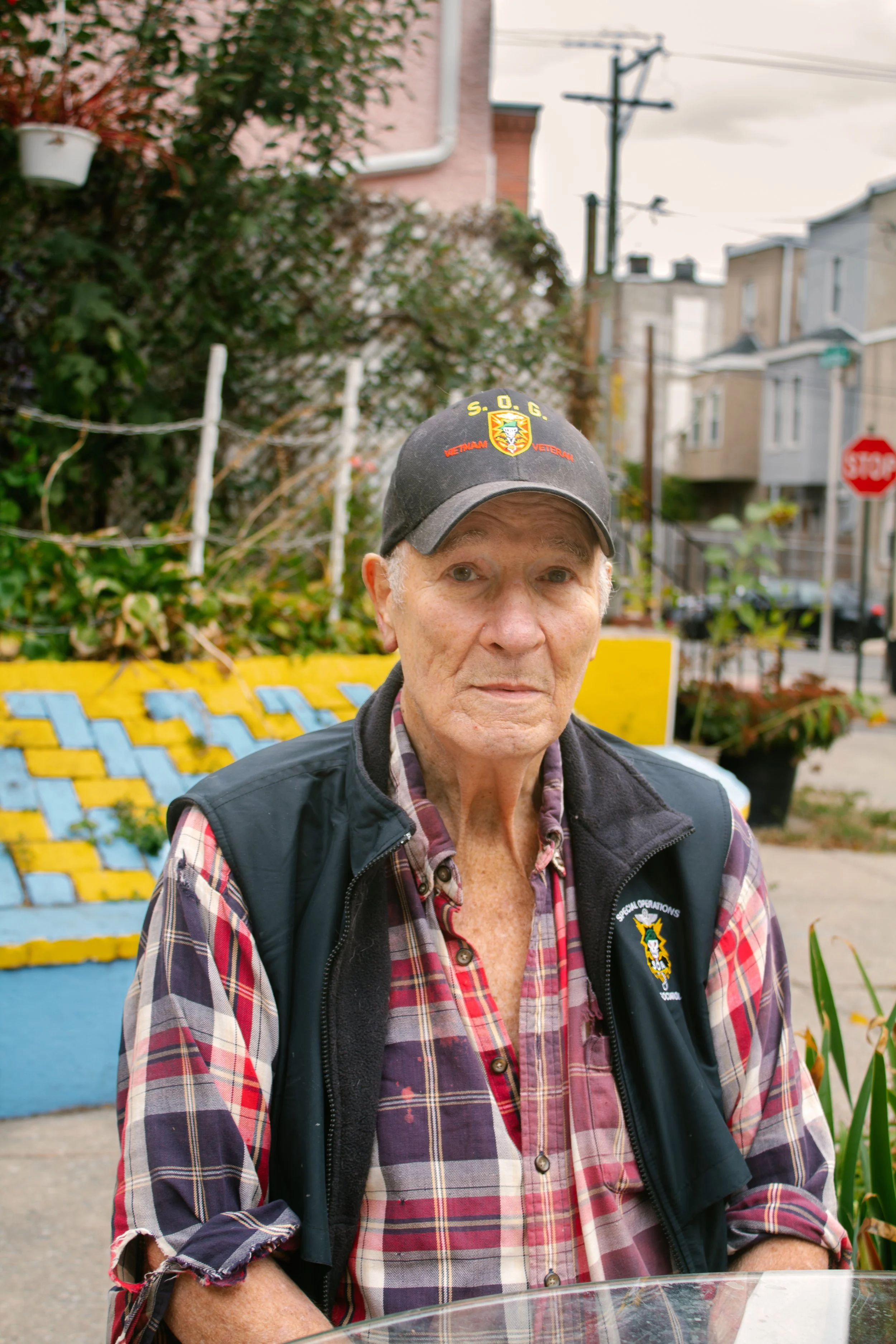
James Weisbrod, founder of Cat Park
I met James Weisbrod on a freezing Tuesday afternoon. I arrived early to take photos and spend some time with the cats. When Weisbrod pulled up from work, a herd of cats rushed toward him, tails high in greeting. He stepped out of the car wearing a Vietnam Veteran cap and vest, carrying a water bottle that read “I AM A PROUD U.S. VETERAN.” “Sorry, I’m late,” he said with a laugh. “Someone has to feed all these cats.”
We sat down on one of the garden chairs, which he told me came from his mother’s house after she passed. As he lit a cigarette, cats jumped onto the table and our laps, weaving between us as we talked.
Weisbrod didn’t grow up a cat person. He was raised in the Pennsylvania countryside surrounded by horses and chickens. It wasn’t until adulthood that he took in a friend’s cat. “I didn’t see the cat for days,” he told me, smiling. His neighbor, an older woman with twelve cats, encouraged him to be patient and kind. So, he started softly talking to the cat through the closet door. “Just letting him know he was safe,” Weisbrod said. That moment changed everything. Since then, cats have just kept finding him.
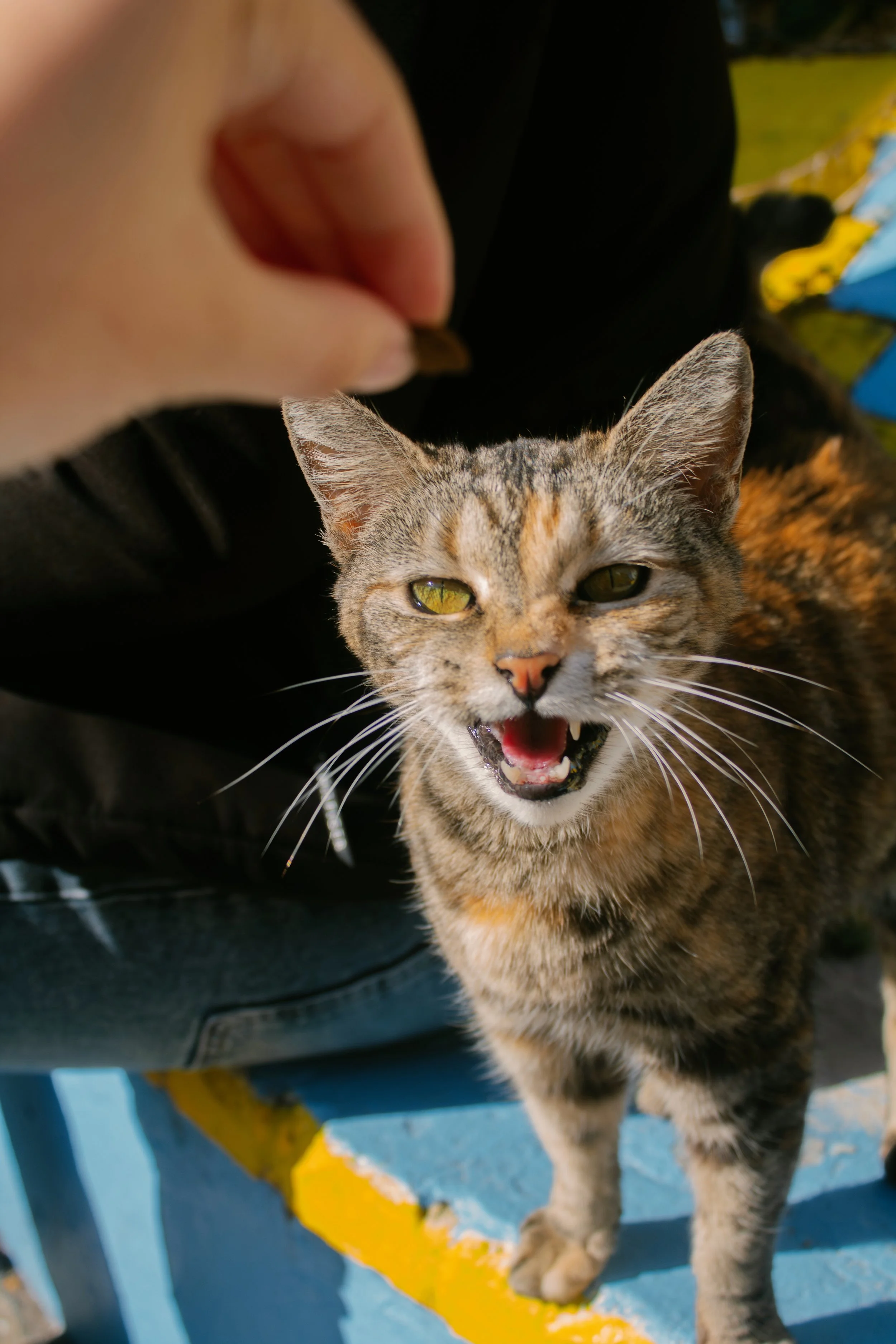
Jasmine, a Cat Park icon
He moved to Natrona Street in 2006, when the neighborhood looked very different. There were no students and no Cat Park. The lot that now holds the park was then a decaying playground. “It was abandoned for forty years,” he said. Weisbrod worried that developers might build on it, so he took matters into his own hands.
With just his car and a few tools, he started clearing dirt, debris, and trash from the space. He reached out to the city for help, but got little response. Over time, though, his persistence paid off. After years of work, the lot was officially recognized as a Protected Green Area.
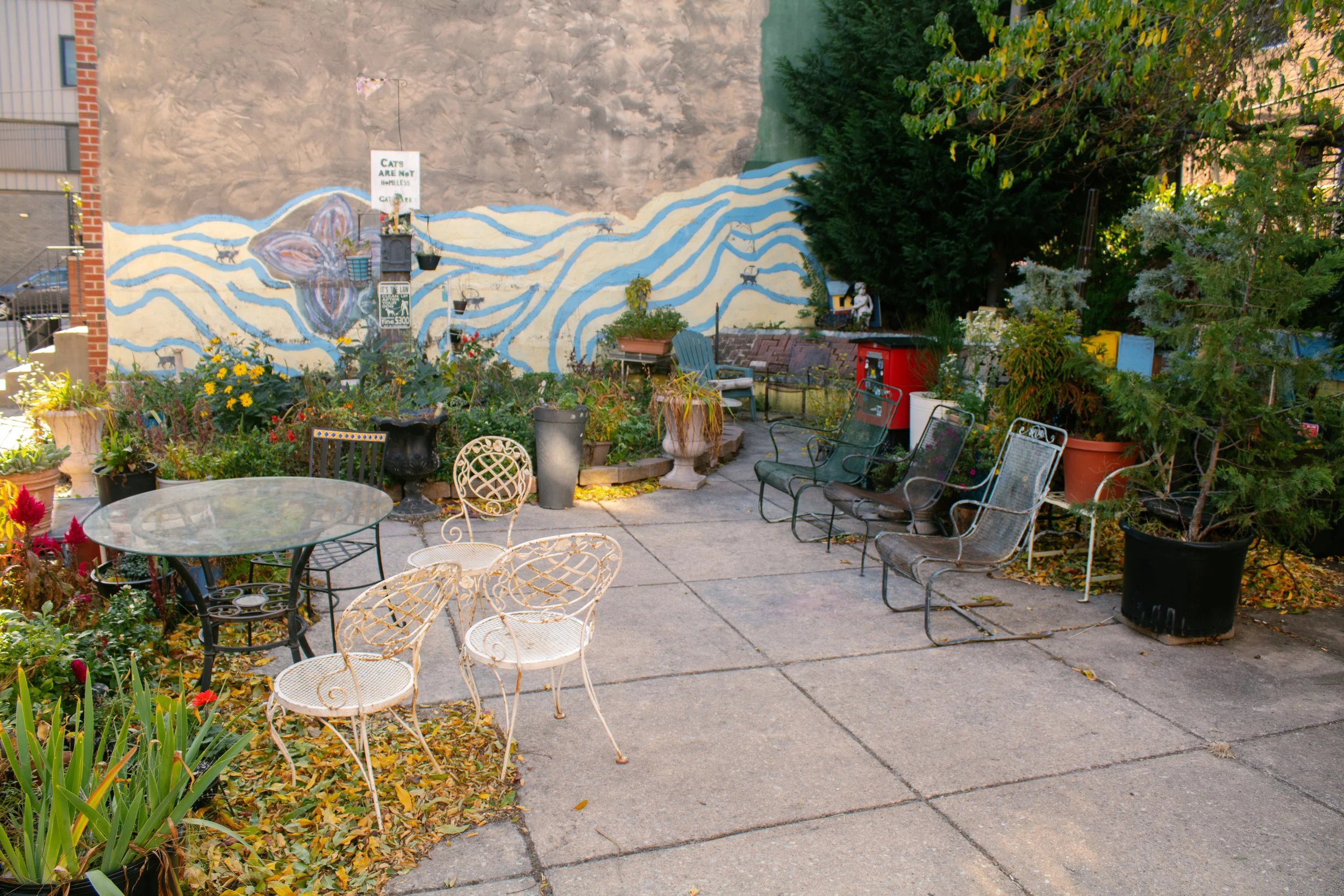
Cat Park
Even today, Cat Park bears traces of his dedication: the yellow and blue bricks he painted by hand, the mural along the wall, and the vibrant plants that make the space come alive. The old metal pole that holds the Cat Park sign is the last remnant of the original playground.
Since then, Weisbrod and Khang have expanded their property to include two neighboring lots: one with a greenhouse for winter plants and another that they rent to students. And, naturally, dozens of cats.
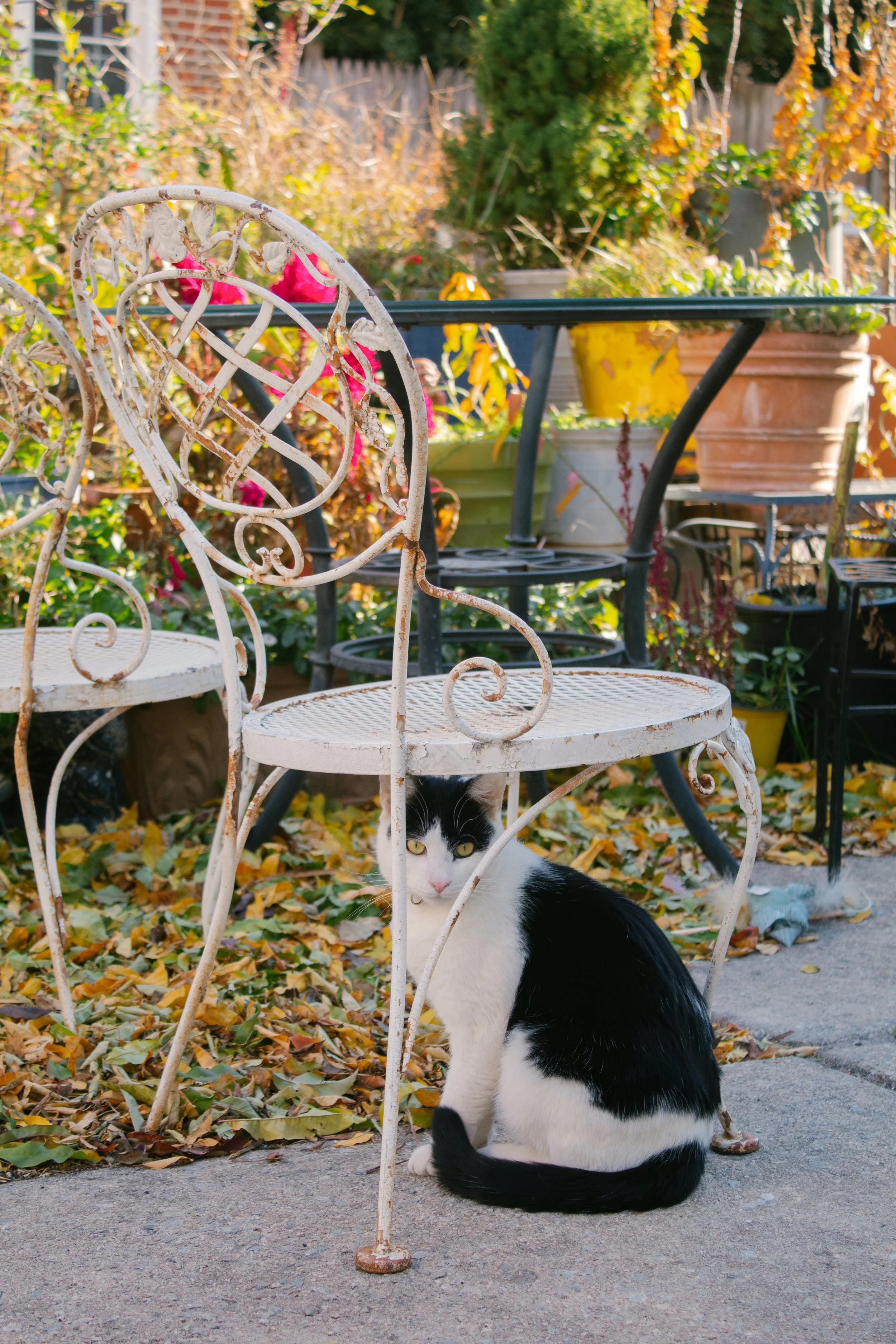
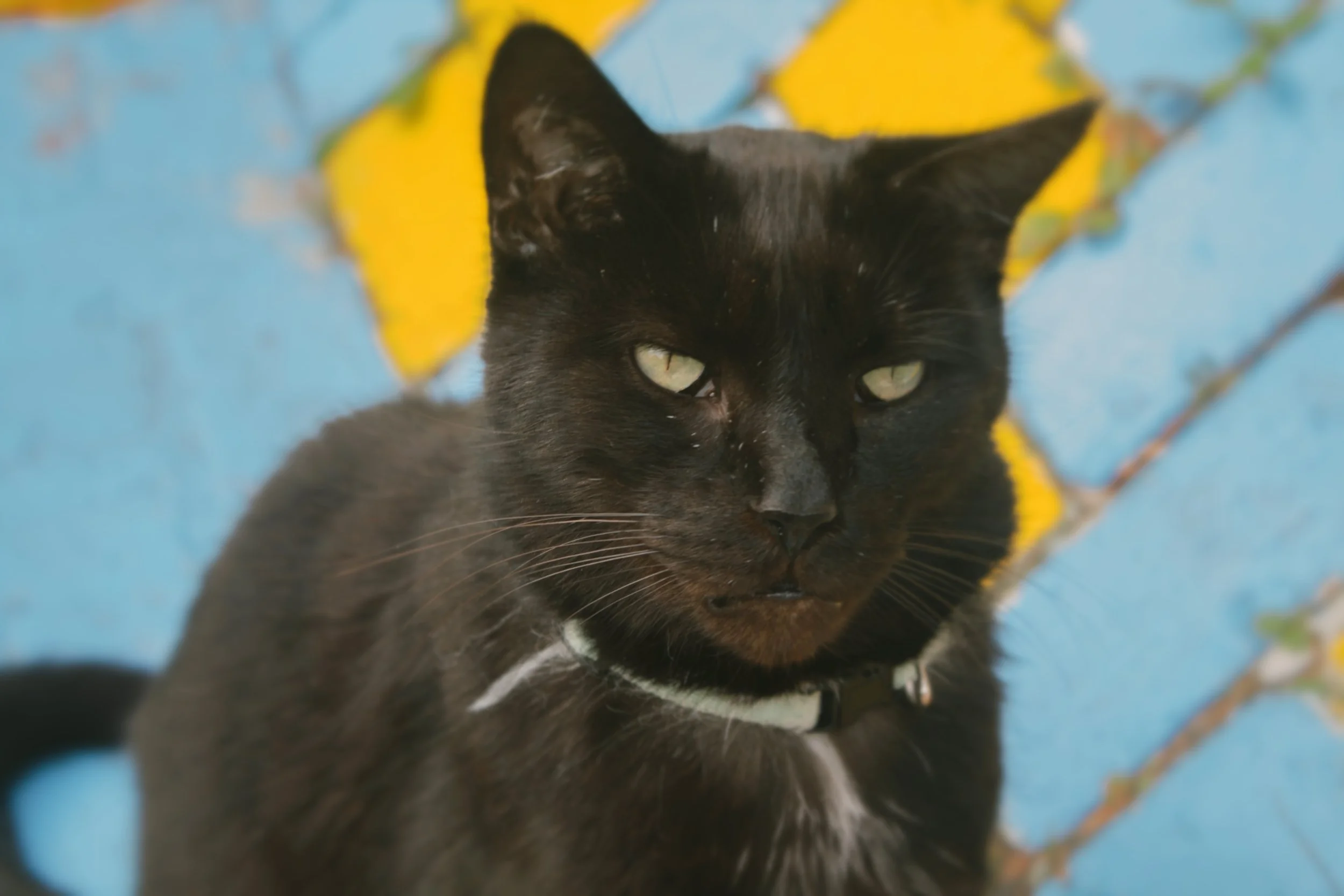
Poppy, also known as ‘The King of Cat Park’
When I asked how the park became specifically a cat park, Weisbrod shrugged. "I do not know how it started. They just started hanging around here." He accepted what the cat distribution system gave him (the idea that cats just show up in your life like they were assigned to you by some unseen cat committee), and he has cared for the park's feline residents ever since.
Weisbrod told me a few of his favorite stories. Once, he took fifteen cats to the vet at the same time. “It was loud in the car,” he said, laughing. “A very expensive day, too.” Another time, he rescued a kitten stranded in traffic at the intersection of 20th and Market. “I grabbed him by the butt and held him up like a trophy,” he said. “Named him Roadkill.” He grinned. Weisbrod takes a lot of pride in his creativity to name cats, “no Muffies or Fluffies around here.”
Every day, Weisbrod makes sure the cats have food, water, and shelter, and that the plants are thriving. For him, waking up and stepping out into greenery brings him joy. “It’s worth it,” he said.
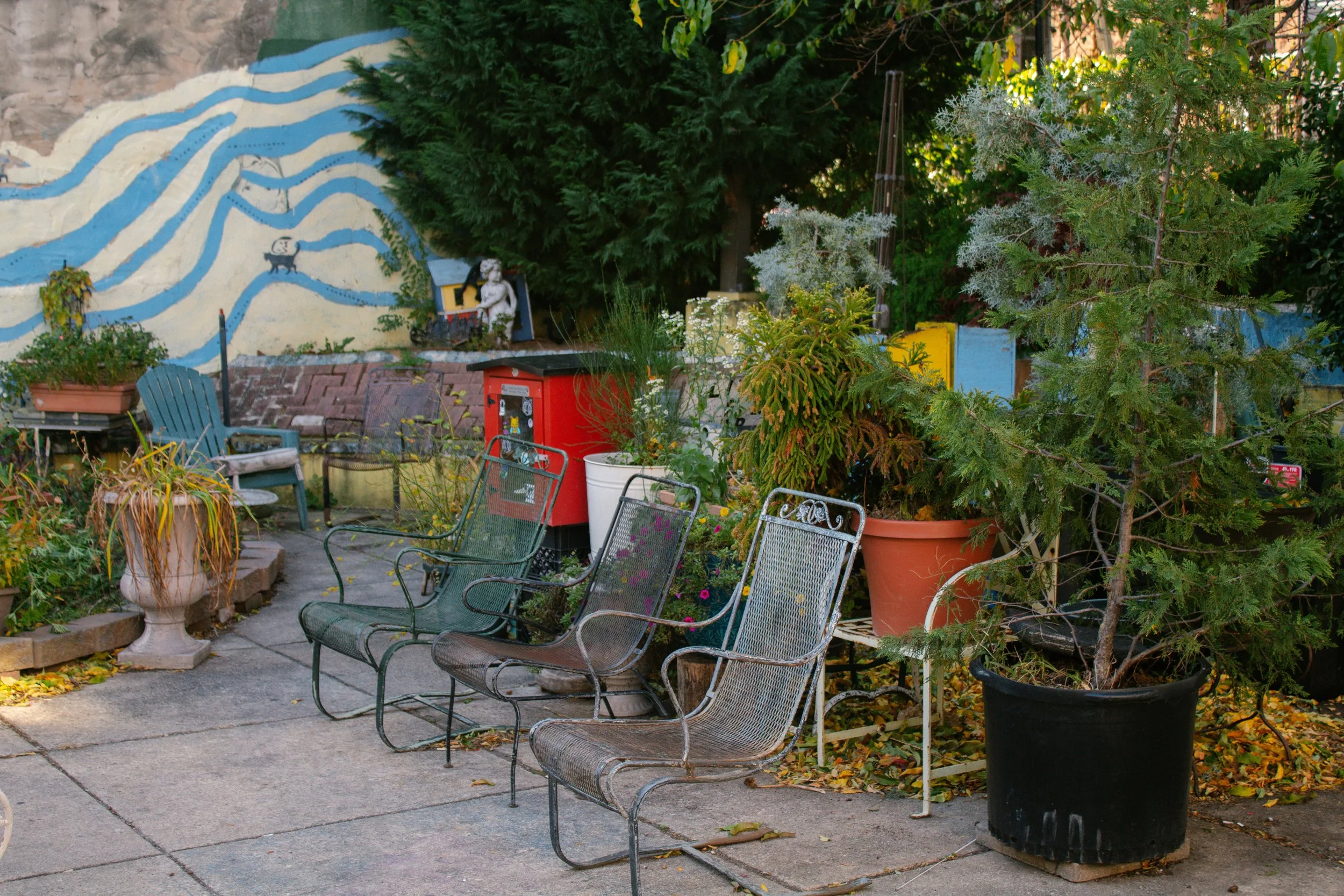
Sitting area at Cat Park
A Local Spot Where Cats Bring Strangers Together
He also loves seeing how students enjoy the space. He laughed as he told me about neighborhood tours that called it “Cat Corner.” “It’s not Cat Corner, it’s Cat Park,” he said, chuckling. Many students, myself included, have come to Weisbrod or Khang for help rescuing or rehoming cats around Philadelphia.
In recent years, Cat Park has grown far beyond West Philly. It is now on Google Maps and was even featured in the Philadelphia Inquirer as one of the city’s happiest places. Visitors come from all over to see it, alongside the steady flow of Drexel students.
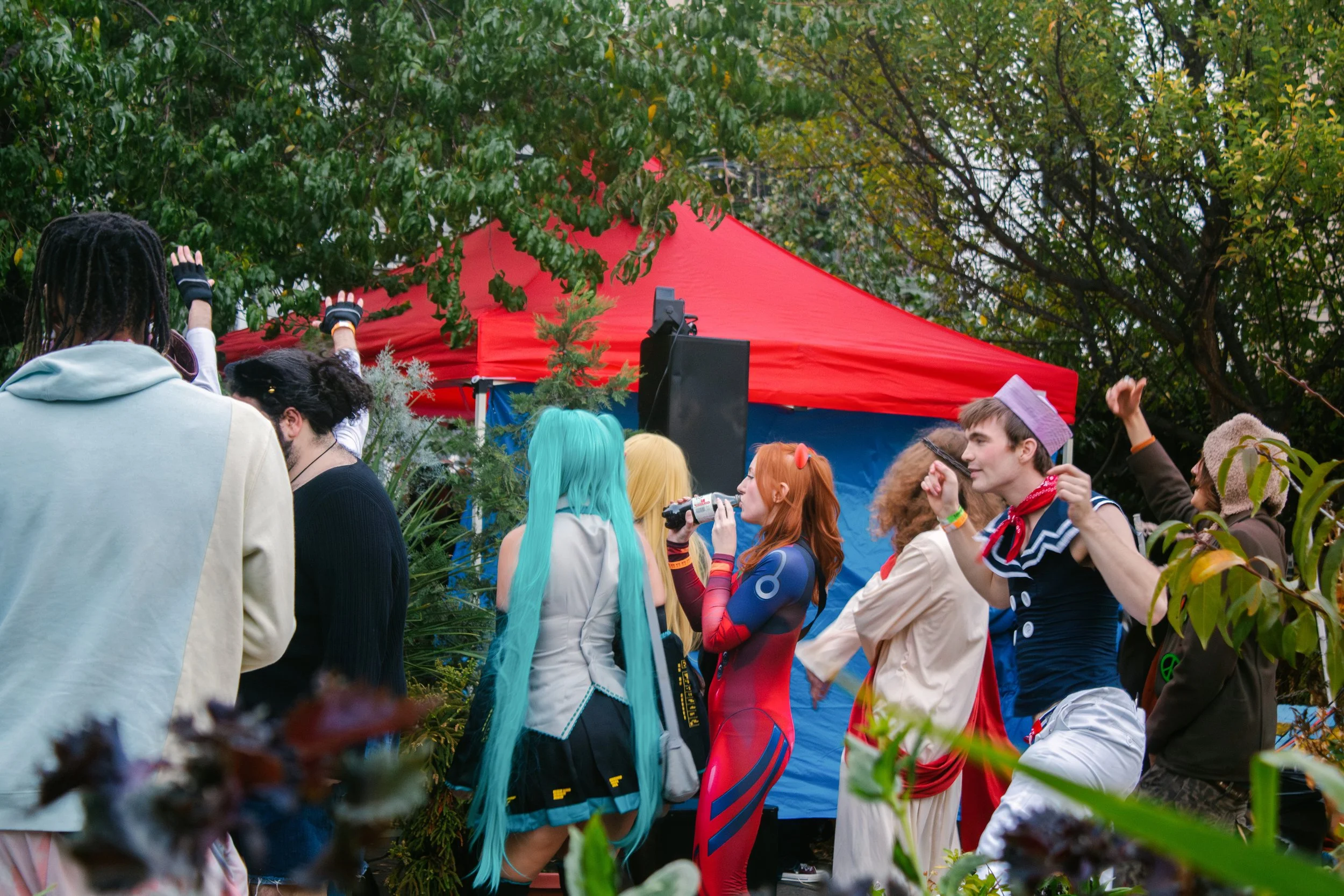
Students enjoying live music at the Cat Park Halloween Block Party
One of them, Drexel Senior Stuart “Stu” Gluck, an E&M major, saw an opportunity to leverage his event-planning skills to build community through the park. Since 2022, he has organized Cat Park events featuring small businesses, live music, and food, with proceeds supporting both the park and local vendors.
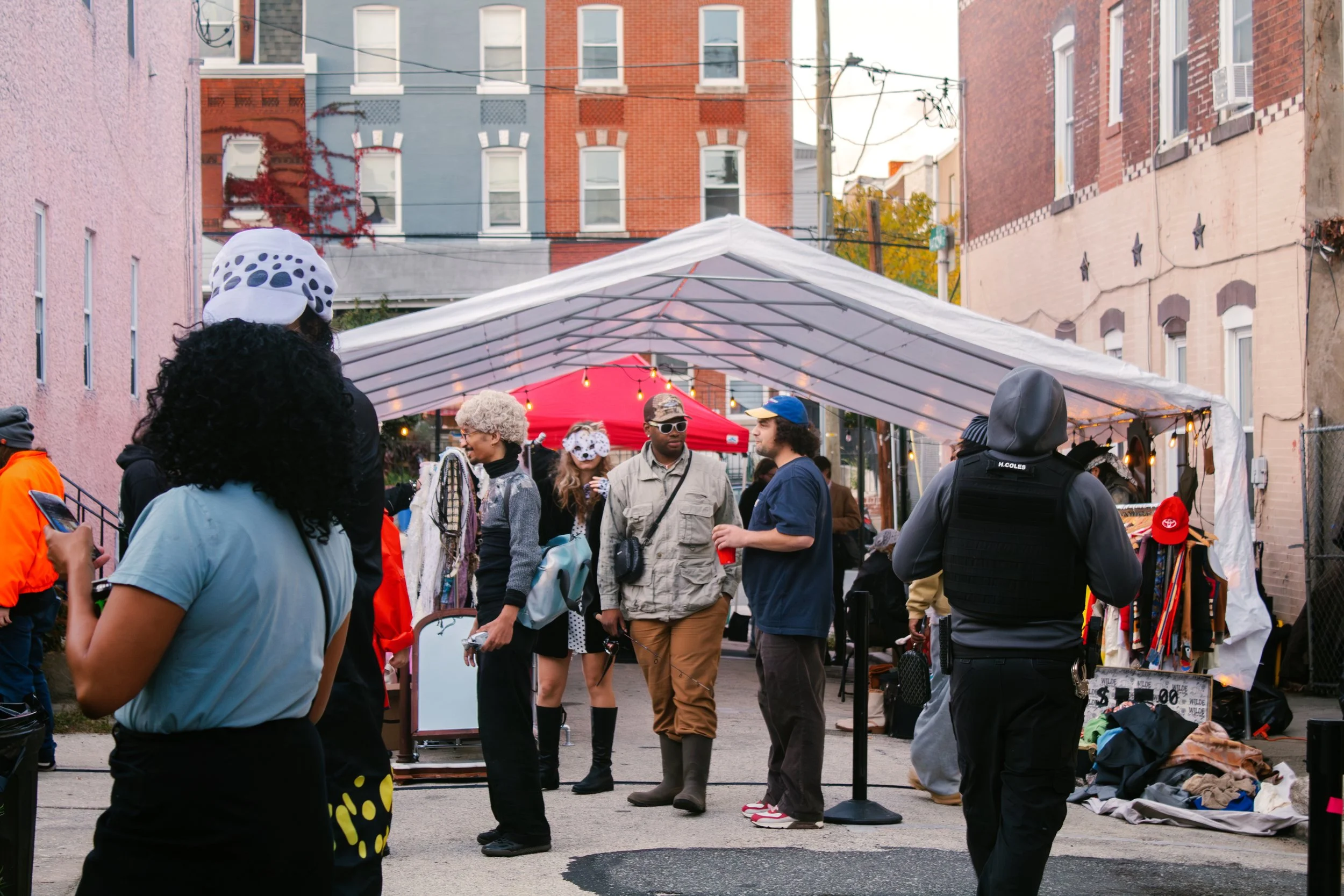
Students near the vendor tent at the Cat Park Halloween Block Party
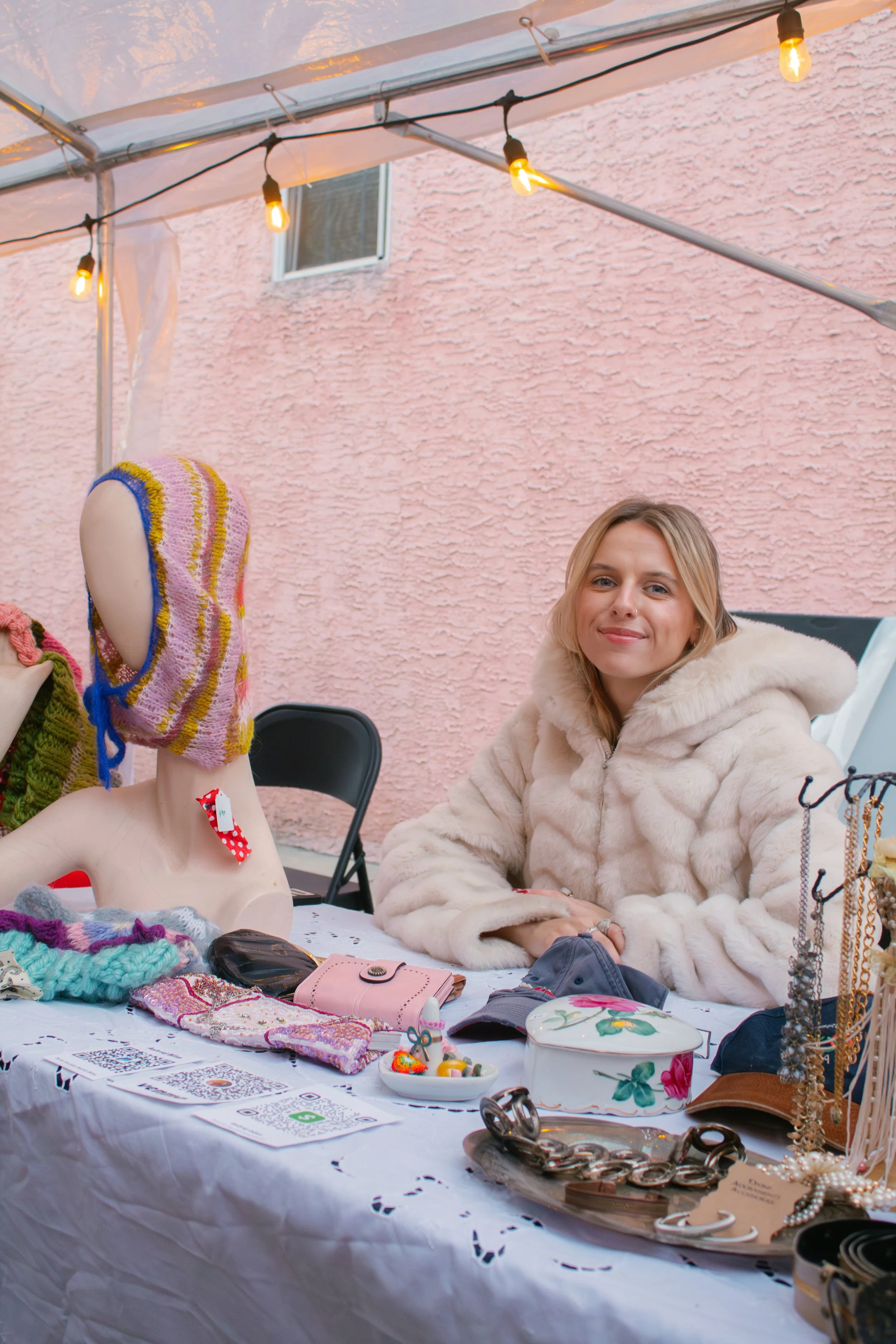
Astrid, Fashion Design ‘26, co-founder of STARIOT and creative director of starpwr, a vendor during the Cat Park Halloween Block Party
How to Respect Community Cats and Support Mantua’s Cat Park
As beloved as it is, Cat Park faces some challenges. With more visitors, confusion has arisen about how it works. Some well-meaning students have “rescued” cats that already had a home. Weisbrod wants people to know that Cat Park cats are cared for, fed, and given medical attention. They come and go freely, depending on the weather and their personalities. Most cats refuse to wear collars, so visitors must respect their independence. Cat Park cannot be without its residents. If you want to help, you can contribute to the Free Library, leave some cat food at Weisbrod’s doorstep, or simply spend time enjoying the space.
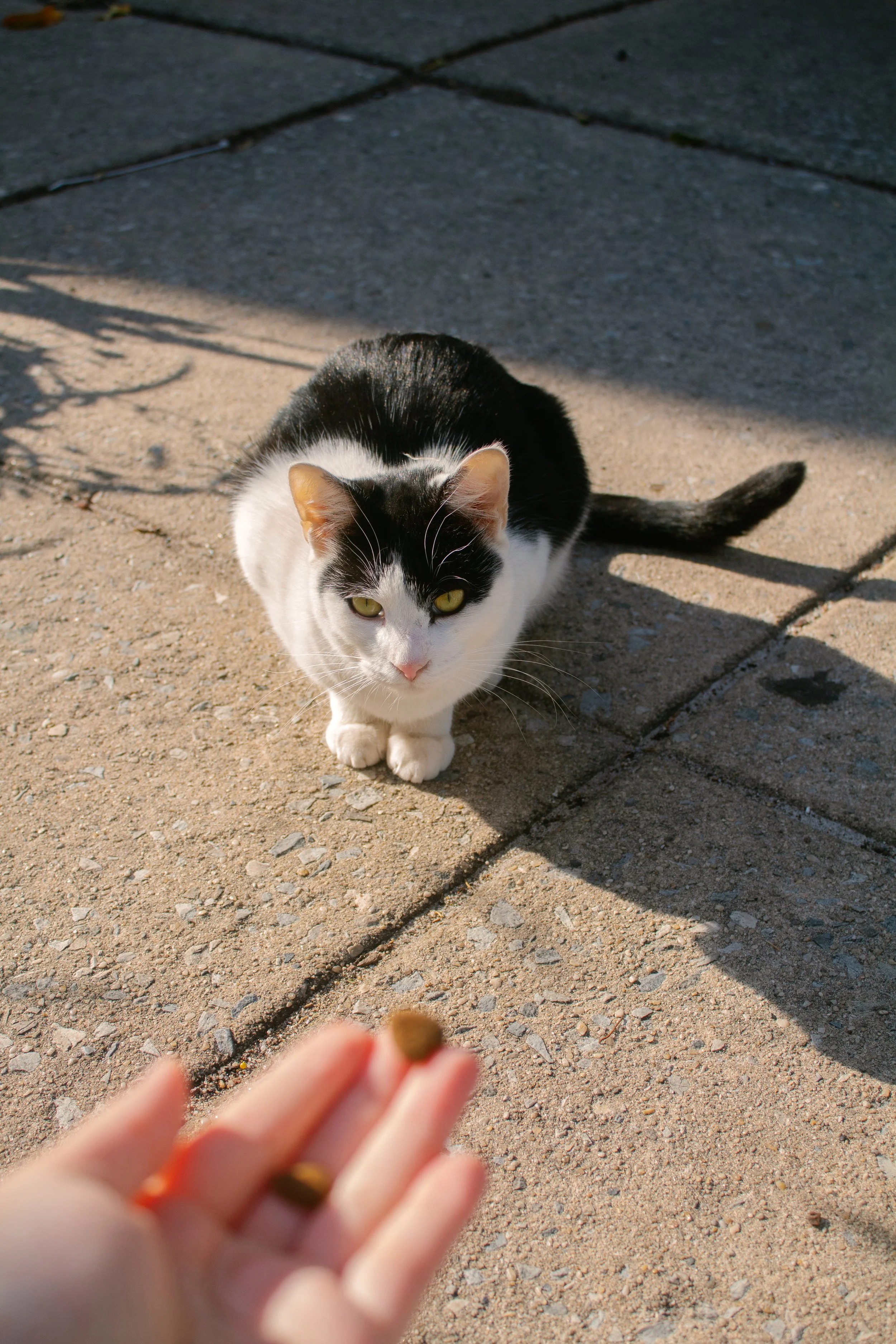
The Future of Cat Park
At 80 years old, Weisbrod feels proud of what he has created, but worries about what will happen to the park after he is gone. There are no formal plans yet, but I hope readers will help carry on his work by visiting, donating food, and keeping this little pocket of joy alive.
Because in a city that can feel loud and hurried, Cat Park reminds us that community and kindness can grow anywhere, even in the smallest corners of West Philly.