
The Aesthetic Takeover of Modern Parenting: The Sad Beige Baby Effect
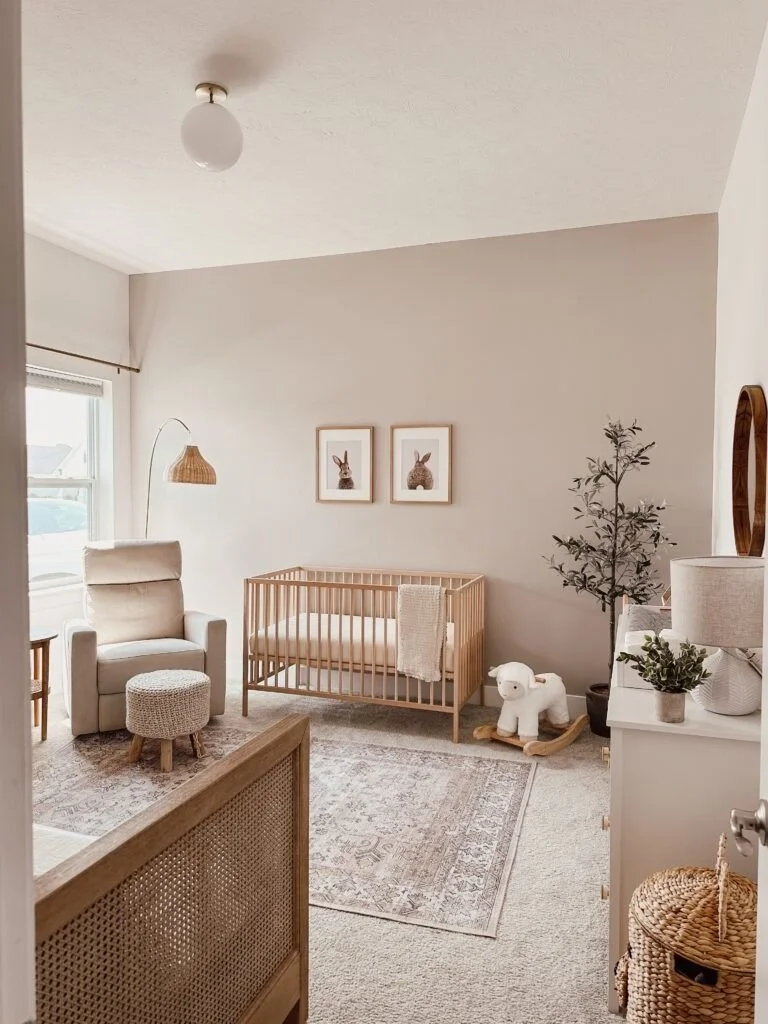
Let me paint a picture for you: your friend just had a baby. She invites you over to meet her new addition, and of course, you say yes. You knock on her door. She answers, glowing, and says the baby is asleep in the nursery, but you can peek in.
You open the door.
Disappointment hits. Your eyes are drowned in taupes and neutrals. The walls, bare. The clothes, drab. You inch closer to the crib. “Wow,” you think, “that’s a really cute baby.”
A really cute baby, sure—but a sad beige baby, most definitely.
It’s not just your friend’s nursery. Scroll through TikTok or Instagram—you’ll find endless feeds of beige bassinets, oat-colored onesies, and linen swaddles folded just so. What started as a meme on TikTok has turned into an internet phenomenon among young parents today. From toys, clothing, decor, and just about everything you would find in a baby nursery, the “sad beige baby” aesthetic has seemingly taken over modern parenthood.
But why? What happened to the colorful chaos? Today, it appears that babies are styled to match their parents' aesthetics of their curated homes: sleek and modern. Would it be too much to say that perhaps babies could even be viewed as this season's newest accessory?
I mean, it’s not like babies have any say in what they’re dressed in or how their room is decorated, unless you were like me...apparently. Take it from my mother. When I asked her about my baby style she laughed and said, “You didn’t like anything I bought for you! I bought cute, girlie, colorful clothes and even Phillies and Eagles gear, but you just refused to wear any of it!” Refused might be a reach, mother, because when I look back at pictures, that’s about all I wore.
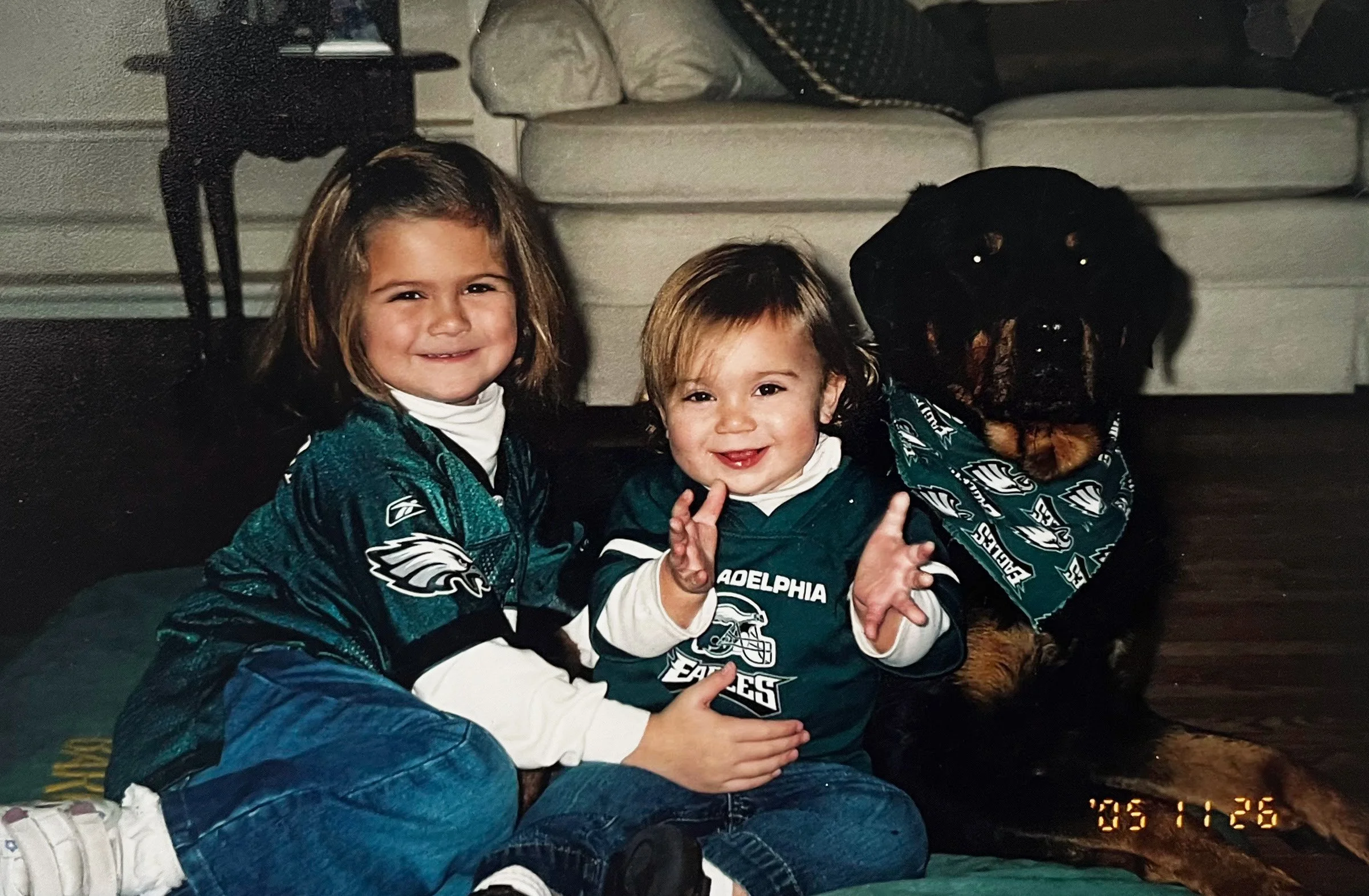
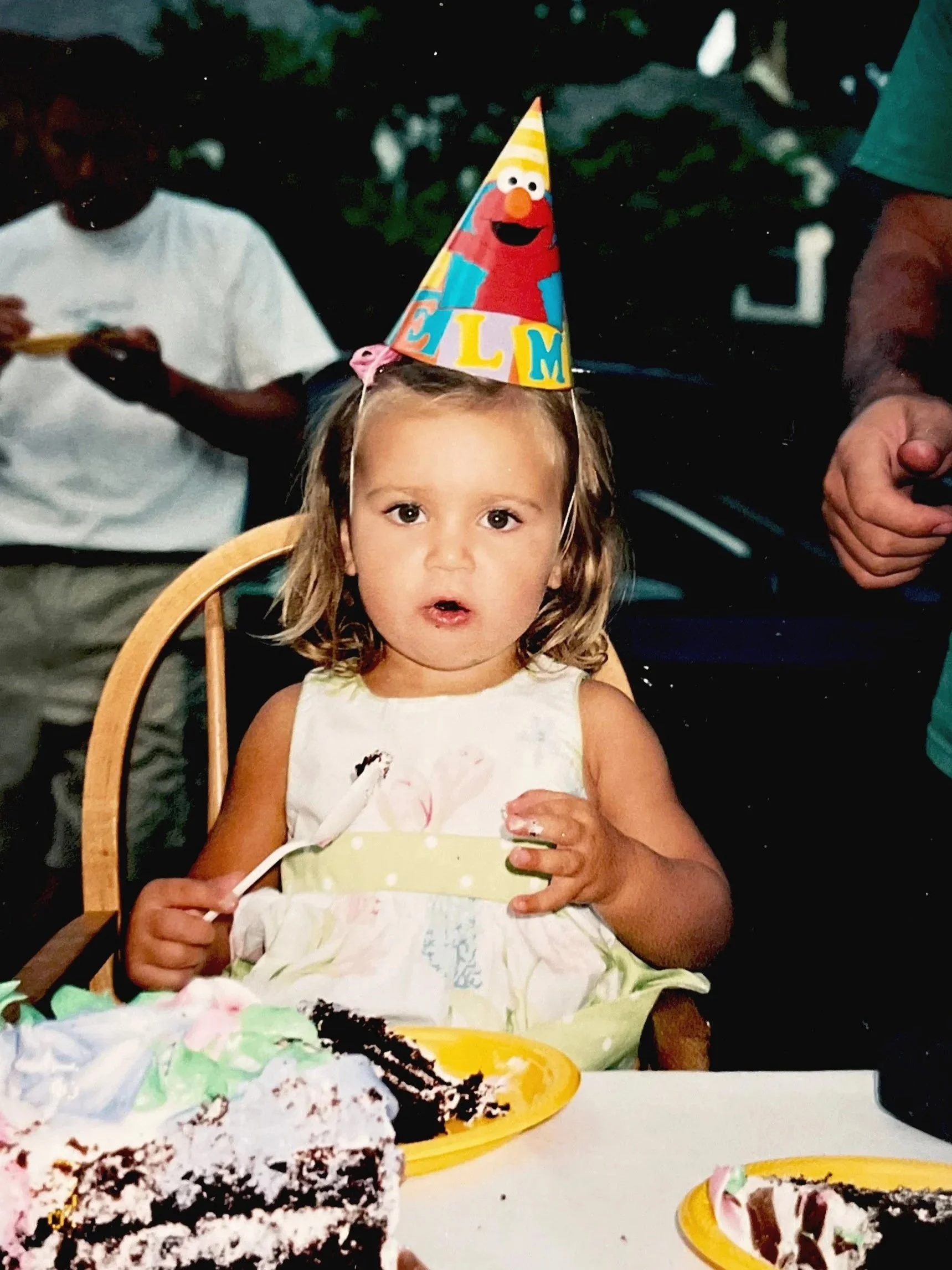
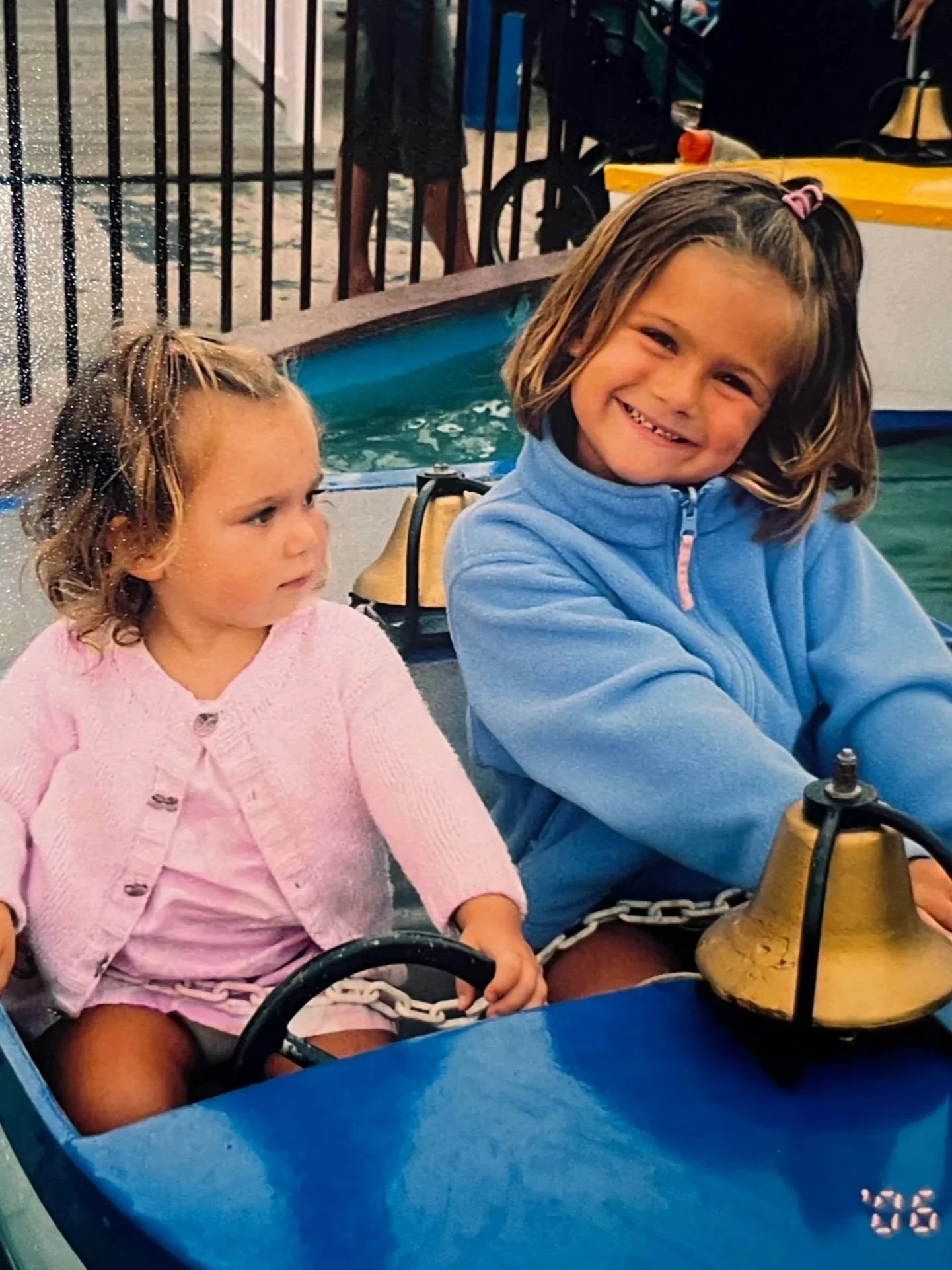
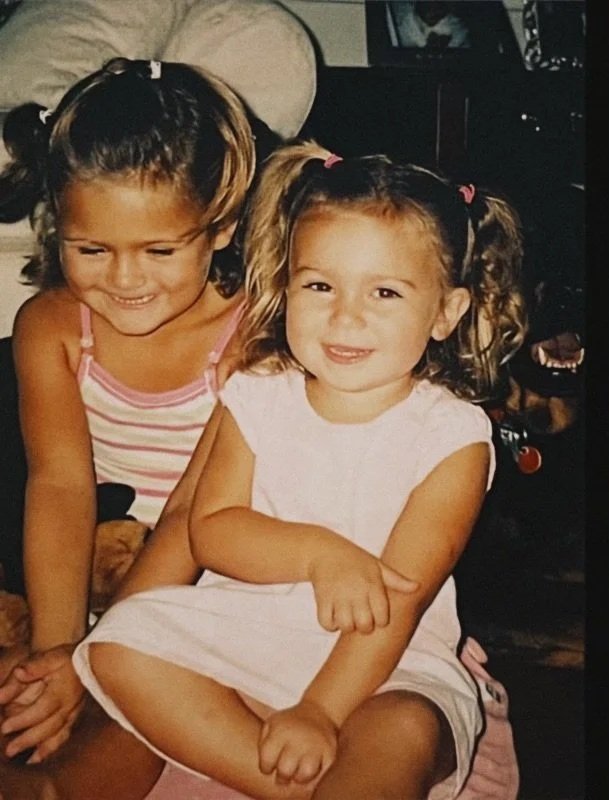
Opinionated from day one, I guess. But when I scroll through social media and see how parents present their children through their clothing, all I can think is, “wow, this is borrrinnggg and, honestly, sad.” When I think of babies, my mind immediately goes to this space of imagination and bright colors. Still, with this full-fledged trend of children matching their parents’ minimalist aesthetic, I almost feel bad for their kids’ lack of color. Instead of bare walls and dull decor, my nursery was full of stimulating quilt designs and curtains, patterned with colors that made the space feel alive and comforting.
The “sad beige baby” style quickly transitioned from an online beige boom directly to boutique shelves. According to Joey Clark, owner of munchKIN, a baby store just off Broad St in Philadelphia, “It does feel like within the past few years there has been a rise in the 'beige baby' buying category.” She continues, “I think there’s more conscious consumerism among young parents and less of an emphasis on the traditional gender norms of dressing your children…I find that some parents prefer the minimalist aesthetic when it comes to nursery decor, and that also reflects in the style of clothing they purchase for their children, often wanting to match their decor taste in their children's style of dress.”
From our conversation, it became clear that sustainability and minimalism often go hand in hand. “Within the conscious consumer lens, most neutral clothing in the shop is organic and made sustainably. Colored Organics is a popular brand that comes to mind. They produce neutral, muted tones and minimal prints, all made with soft, organic cotton. I feel like they have really capitalized on this trend by not only having the word organic in their name but also for being known for their neutral, non-printed clothing.”
Sustainability and minimalism aren’t the only motives behind the sad beige baby. As Joey mentioned, parents are straying away from traditional gender stereotypes: girls wear pink and boys wear blue. This aesthetic reinforces the idea that colors are no longer gendered; all sexes can wear neutrals; it’s simple, easy, and retailers certainly know that. Take retailers H&M, Zara, and Old Navy, for example—when looking at assortment breakdowns, neutrals and blacks dominate over 20% of each clothing category. I’m not going to deny that gender-neutral baby clothing isn’t practical and versatile for parents, but making it their kids' whole personality is, well, questionable.
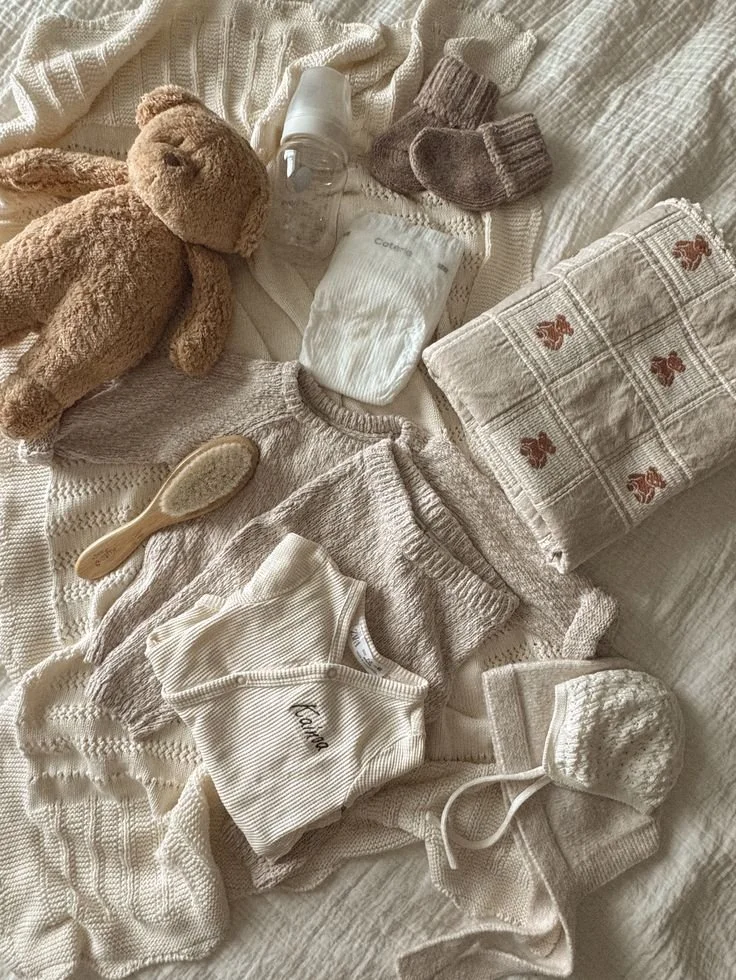
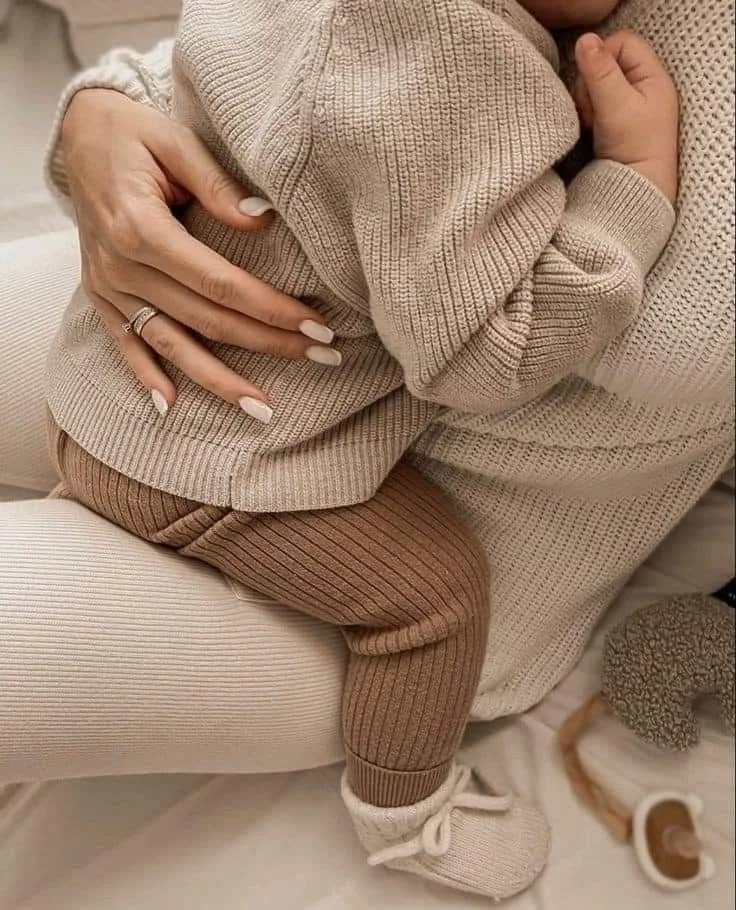
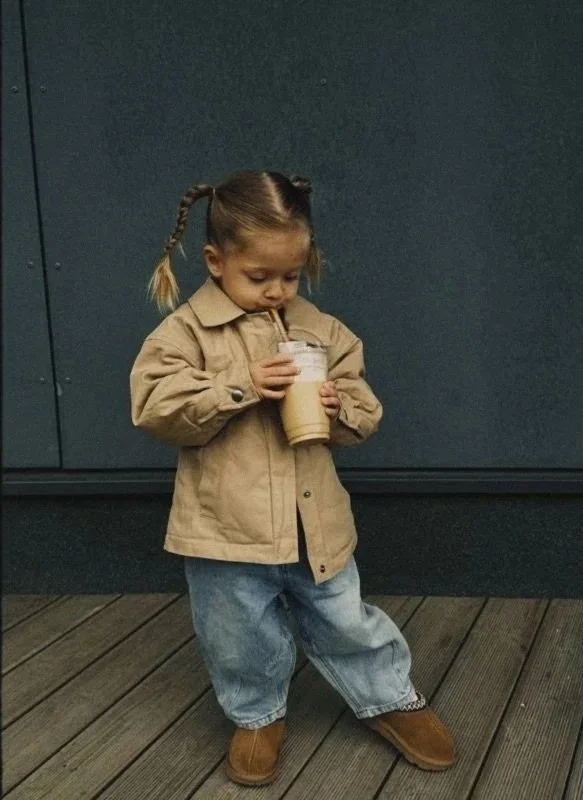
Like all fashion trends, people have their opinions, some more vocal about it than others. Take Reddit, for example—users deemed the aesthetic to be one of the corniest trends of the 2020s. One user shared, “The beige rainbows are the most infuriating to me…The whole-ass point of the rainbow is the goddamn colour spectrum!” Another accused parents of implementing this aesthetic so that their children appear to be more “Instagram-worthy”, rather than nurturing their kids’ creativity with color. And perhaps the most straightforward and blunt reaction to the aesthetic: “Beige is bullshit.”
While these critiques emphasized the idea of beige aesthetics taking the color and fun out of childhood, Clark claimed, “I think it’s all personal preference, when it comes down to it, a baby really doesn’t know what colors it’s wearing…I do think, though, having a print or something familiar on what a child is wearing has its benefits. At a certain age, it does help with repetitive learning, naming colors, shapes, illustrations, that type of thing.”
To gain more insight into how young parents perceive this trend, I sent an anonymous survey to parents with newborns, toddlers, and teens, asking about their children’s style, which social media platforms they use for shopping inspiration, and their overall opinion on the neutral baby aesthetic. When asked about their children’s style, over 70% said they mix colorful and neutral pieces, and more than half get style inspiration from Instagram.
These results suggest that while the “Sad Beige Baby” look dominates social media, most parents, specifically the ones who completed my survey, aren't strictly committed to it in real life. Instead, they’re blending what they see online with what feels fun or practical. One mom even mentioned that a TikTok inspired her to have an entirely beige nursery with rattan everything. Six months was enough for her to immediately regret her decision after seeing it in photos.
So will the “sad beige baby” ever fade away? If my survey responses indicate whether the trend is here to stay, it’s a bit complicated. Many parents think that this aesthetic will continue to be incorporated in one way or another because it’s what they describe as calming, timeless, and classic, especially for first-time parents. Others think it’s already on the decline, calling it tiring, too grown-up, and not fun enough for actual kids. My take? I think it’s a generational thing. The trend appears to be most relevant among millennial parents, some even referring to themselves as ‘sad beige millennial mothers’. Of course, aesthetics are all based on preference. Who am I to judge... (I’m totally judging)...parents for only dressing their kids in neutrals and only letting them play with terribly boring toys? *Cough, cough, the mother who bought colorful toys for her child and then spray-painted them in muted earth tones to match the colors used in her home.* That’s a bit much.
And honestly, I think Gen Z is going to shake things up a bit. While millennials really embraced the muted, minimalist look—partly because it photographs well and fits the whole “curated home” vibe—Gen Z tends to lean more toward individuality, nostalgia, and playful self-expression. As our generation eventually becomes parents, I don’t see us sticking to the same hyper-neutral palette. We grew up on bright colors, character tees, and chaotic bedrooms; we’re not afraid of mixing aesthetics or letting kids mix and match, even if it looks, well, terrible. So even if the sad beige trend doesn’t disappear entirely, I think Gen Z will loosen the grip on the neutral obsession and bring a bit more personality back into kids’ style.