
Five Flags, Different Struggles: International Students Share Their Untold American Stories
Going to college in the U.S. is often seen as a big dream, but for many international students, leaving home means a huge jump into a totally different way of life. It's not just about changing schools; it's about changing everything they know. Five students from the Dominican Republic, France, Puerto Rico, Kazakhstan, and Sri Lanka bravely shared the unexpected problems they faced, the small, comforting things they missed from home, and the smart, strong ways they found to make the U.S. their new home.

Name: Arleth Vargas-Seymour
School: Drexel University
Country: Dominican Republic
Field of study: Fashion industry and merchandising
Being born in the Dominican Republic was one of the hardest parts of my life, not because of the place itself, but because I grew up without my parents. My mom was in the United States trying to build a better life for both of us, and I stayed behind with one of her friends since I didn’t have a visa to go with her. Even as a kid, I felt that emptiness knowing my own mother wasn’t there to raise me, but over time, I knew it wasn’t her fault and that she was doing her best to take me with her. When I finally got the chance to come to the U.S. at eight years old, everything changed, but not instantly. Spanish was the only language I knew, and learning English felt like being thrown into a world I didn’t understand. I was even held back in middle school because I was stubborn and didn’t want to accept this new life or the things they were teaching. Looking back, I realize it wasn’t stubbornness, it was fear.
As I grew up here, I learned very quickly that life in the U.S. moved fast, way faster than the warm, familiar life I knew in Santo Domingo. By fifteen, I felt like I wasn’t mommy’s girl; I had to work, not because I wanted to, but because I had no choice. If I wanted a phone, clothes, or anything teenagers usually get from their parents, I had to earn it. I even had to get myself to school and work because my mom couldn’t help with that, as she had her own responsibilities. It was lonely to feel so young while carrying such heavy responsibilities. But at the same time, those moments shaped me into someone stronger than I ever realized.
Then my senior year of high school came, and my whole life shifted. I received a four-year scholarship to Drexel, something I had prayed for, cried for, and desperately needed. Without that scholarship, college wouldn’t have been an option for me. I’m so grateful to the Battier Take Charge Foundation (Instagram) for believing in me and for supporting students like me all around the world, giving us the chance to succeed in our education. They saw a version of me that I didn’t even know existed, someone capable, someone worthy, someone who truly deserved a chance.
College was another emotional chapter. I moved in with my mother's help, but over the months, our relationship changed. I had to push myself to keep going, even on the days when I felt like dropping out and working full-time to survive. I struggled financially, paying my phone bill, buying groceries, and trying to keep up with school. But somehow, I kept going. Getting approved for work-study felt like an angel watching over me. It gave me hope and reminded me that I wasn’t done fighting.
Through all of this, I found friends I never expected to have, friends who became like family when I felt like I didn’t have one. We built memories that kept me grounded, that made the hardest days feel bearable.
Now, here I am, working toward my diploma. Every day, I remind myself that even without my parents by my side, even with all the obstacles, I made it this far. And I’m proud of the person I became because I did it on my own, with strength I didn’t know I had.
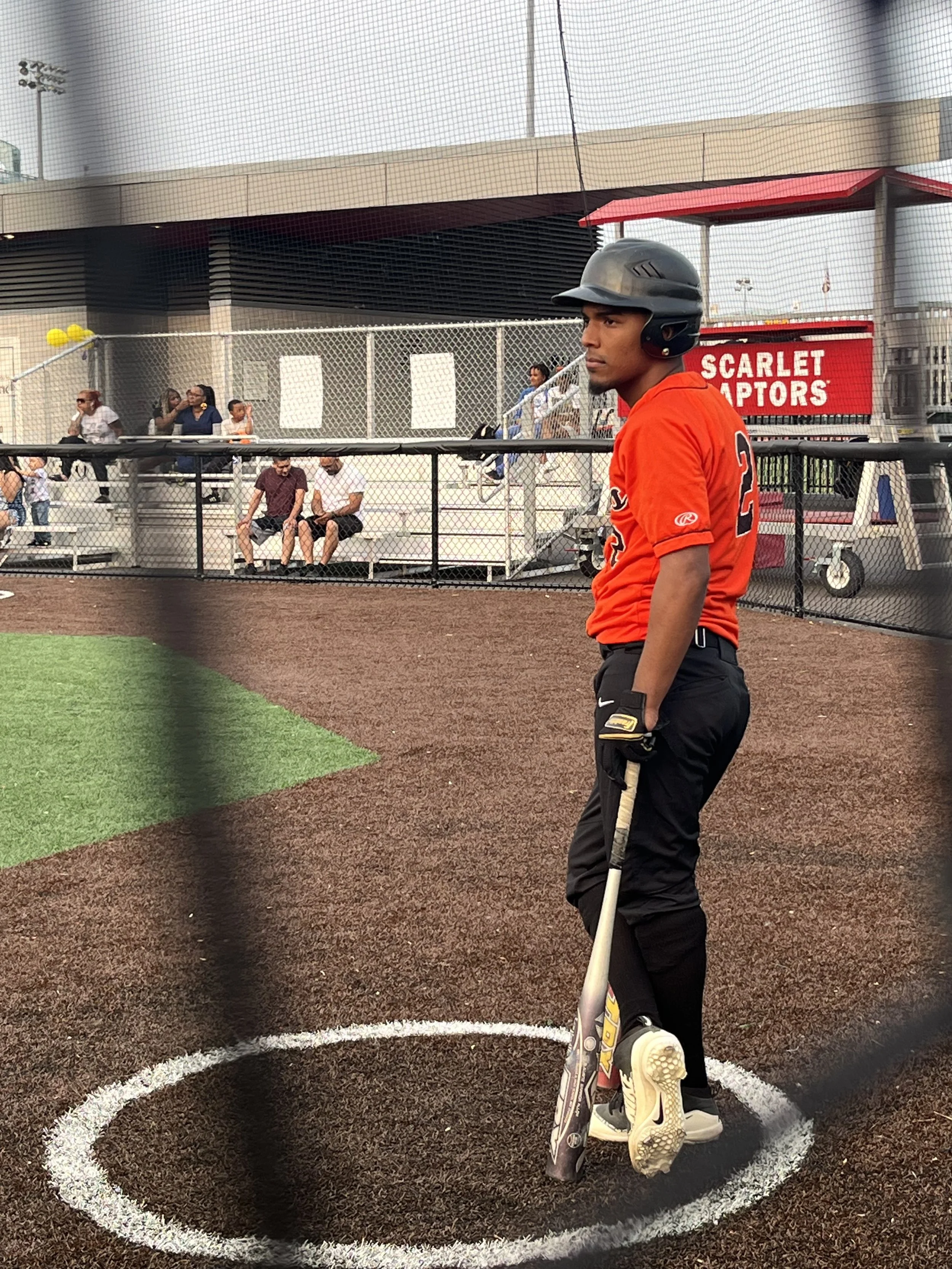
Name: Samuel Antonio Sosa Castillo
Country: Puerto Rico
School: Rutgers University
Field of study: Business
Samuel came to the U.S. five years ago, when he was just 16. He jumped right into the junior year of high school and graduated in 2023. Back then, he didn’t know what he wanted to do with his life, mainly because he only cared about baseball. He played on big teams back in Puerto Rico and really hoped to keep playing here. Since he was so focused on sports, he never really got the chance to learn English well. Most of his classes and teachers were in Spanish, so he focused on the game instead of the language. Yet he didn’t know how much this would affect him in the long run.
When he graduated from high school, he was good enough to get a full scholarship to Rutgers University to keep playing baseball. He decided to try to make the best of that experience. Everything changed between his second and third year of college, when he found out his girlfriend was pregnant. They had decided to keep the baby, and suddenly, Samuel had two jobs: finish school and take care of his child.
The biggest challenge he had was finding a job that didn't require speaking English. He could say a few words, but he couldn't have a whole conversation with people. Because of this, he had to take a tough night job at a factory. He realizes his past mistake, saying, "I admit I was stubborn about learning English before, and this was the consequence I had to take." He is very thankful that Rutgers gave him the help he needed to finish school without having to drop out. Now, he misses his people and being able to communicate easily, like he could back home in Puerto Rico. He now seems obligated to learn English because his daughter only speaks English, and he needs to get a much better job after graduating from college in 2027.
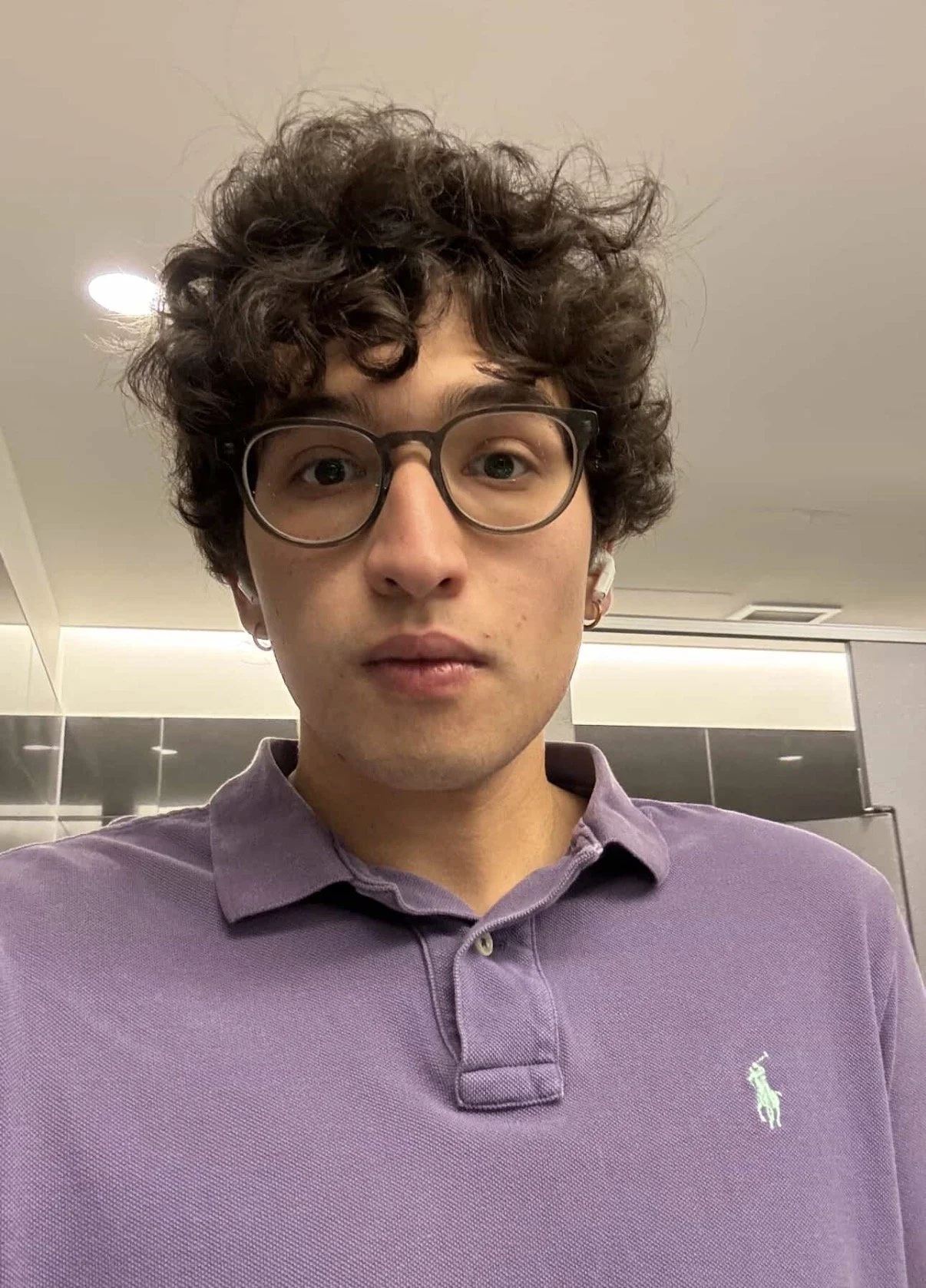
Name: Arslan Sanabayev
Country: Kazakhstan
School: Drexel University
Field of study: Computer Science
Arslan, a fourth-year Computer Science student at Drexel University, came to the United States from Kazakhstan at seventeen, finishing high school in Vermont. At twenty-two, he has been living in America for six years. He speaks Russian, Kazakh, English, and even a little Spanish and Polish, but English is still the hardest for him because, as he says, “The structure is so different, and words don’t translate the same.”
What Arslan misses the most about home is the people. He says, “The connection with family and friends in Kazakhstan is special, and when you move to a new country, you have to remember your identity, or you start losing yourself.” When he first started college, he pushed away people back home because he didn’t want to think about missing them, but that made things worse. He also didn’t realize how much he tried to please people here in the U.S. because conversations felt less direct than what he was used to. On top of that, he didn’t come from a wealthy background, so finding a work-study job or even affordable places to eat was tough. What helped him was spending time with other international students, because being around them reminded him of home.
Arslan started feeling like he belonged once he succeeded in his own - getting the co-op he wanted, going to office hours, and finding a solid friend group. He says, “I admit that at first I was too focused on exploring and having fun instead of school,” but he eventually learned how to balance everything. If he could advise his younger self, he would tell himself to think more about his own needs and not get overwhelmed by everything new. Even with the challenges, he feels he has adjusted to life in America and, for the moment, wants to stay because of who he has become.
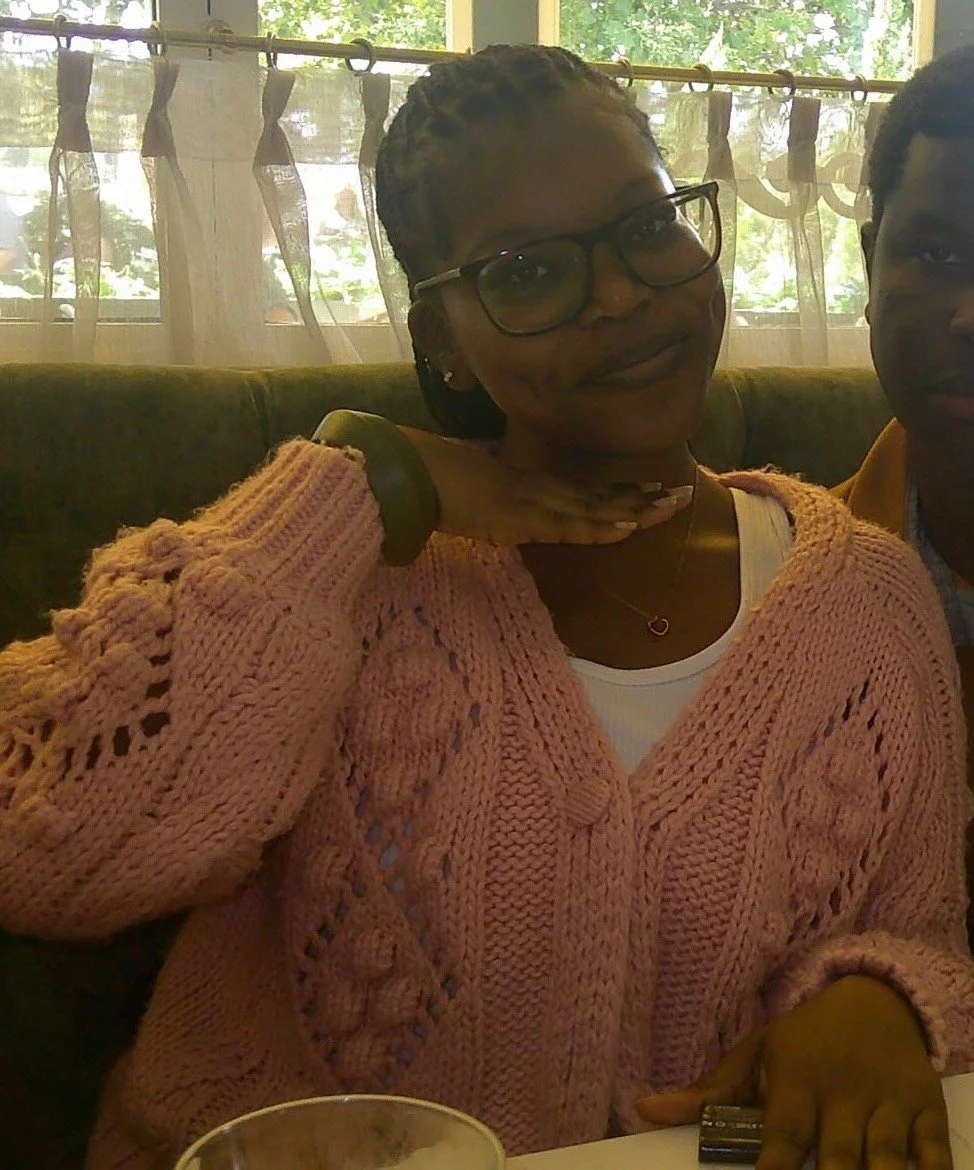
Name: Misbane Osseni
Country: France
School: Montgomery University
Field of study: Psychology
Her life is a story that comes from many places. Misbane was born in France, but lived in Guinea for five wonderful years, from age three to eight. She also carries the deep, vibrant roots of Mali and Benin within her, which are her parents' homelands. Bringing all these cultures, Guinea, Mali, Benin, and France with her when she arrived in the USA at the age of 16 felt totally scary, like landing in a brand-new environment she was not used to.
She quickly realized she made the right choice by choosing Montgomery University, which is known for helping international students. She says, “They gave me all the help and resources an international student could ever wish for, making it possible for me to finally feel like I could truly belong and breathe here.” The biggest challenge, of course, was the French accent, as her first language is French. While it still happens today, she has realized it's part of who she is and that she can’t change it.
This challenge taught her the most important lesson of all, she says, “I need to really be myself and be confident in everything I do, never try to change who I am to just please other people.” Now, whenever something bad happens, she looks at the positive side of the situation. Seeing other students like her at Montgomery University helped her settle in and, most importantly, make friends who became like family. They helped her fight off those lonely, stressful feelings. She misses her country so much, but she also sees herself building her life here in the United States.
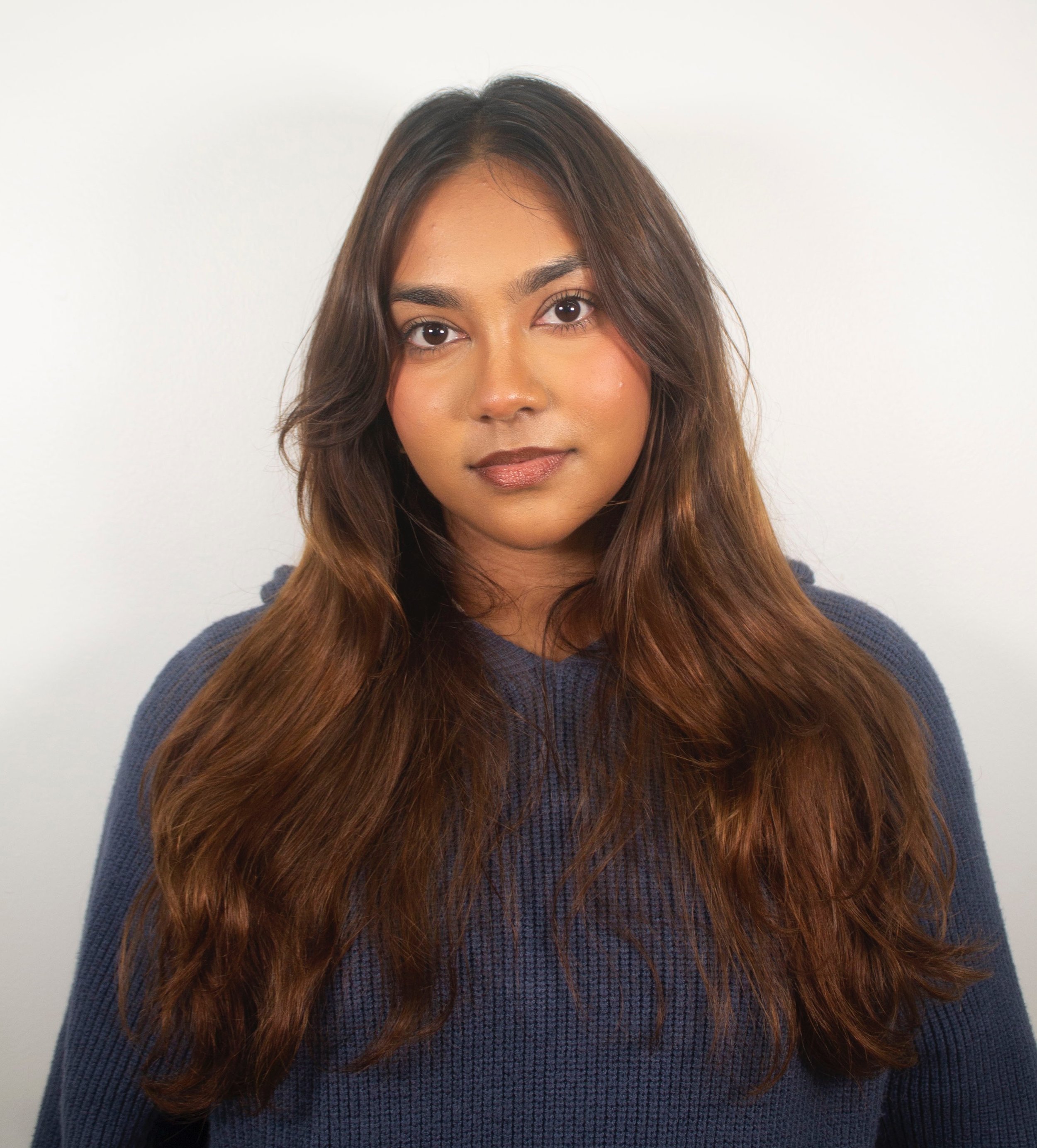
Name: Kanishtaa Ariyaratne
Country: Sri Lanka
School: Drexel University
Field of study: Fashion Industry and Merchandising
Kani was born and raised in Sri Lanka for the first 18 years of her life before coming to college in the U.S. She always wanted to do something creative, but didn’t know what. In school in Sri Lanka, she chose science, math, and biology because she liked bio, and since her mom is a doctor, she thought she should try it. She even went to med school, but after one month, she realized she hated it, and it wasn’t for her.
What she really enjoyed was social media and fashion. She got an internship in Sri Lanka with a fashion designer, where she managed Instagram and TikTok, created content, and helped with fashion shows. She loved it and realized this was what she wanted to do. Because of that experience, she chose to major in Drexel’s Fashion Design & Merchandising (FIM) at Drexel University.
She speaks English and Sinhala, and because she went to an international school most of her life, adjusting to the U.S. wasn’t too hard. She had visited before because her brother lives here, but she still missed Sri Lankan food. At first, she worried she wouldn’t fit in or find friends, but she quickly met people who are now her roommates and feel like family. Spending time with them, eating together, listening to music, and laughing help her deal with stress and loneliness.
She is also part of RAD, Drexel’s retail and design club, which makes her feel more connected. After graduation, she wants to work in the U.S. for a few years, get a “big girl job,” and then eventually return to Sri Lanka. She says her advice to other international students is not to worry too much, that everything happens for a reason, and that things will work out if you trust the process.
The stories of these five international students show the struggles of moving to a new country and adjusting to college life in the U.S. Each faced challenges, including language barriers, cultural differences, financial difficulties, and feelings of loneliness. Yet, they found ways to adapt, make friends, and pursue their dreams. Their experiences remind us that being an international student is not just about academics—it’s also about resilience, growth, and finding a sense of belonging far from home. These students prove that with support, determination, and a willingness to trust the process, it is possible to overcome challenges and thrive in a new environment.