
Paying Your Dues: What It Really Takes to Start in Fashion
“Why am I putting myself through this?” I blubbered to my mom on the phone, driving to UPS for the fifth time that day. I’d been working twelve-hour days for over a month straight, running on almost no sleep and one iced vanilla latte—unpaid.
![[me at UPS daily]](https://images.squarespace-cdn.com/content/v1/61d9b5cf71d85674c5152ce7/1764706247925-8K7PW9R9WW4B8F03TJS4/UPS+1.jpeg)
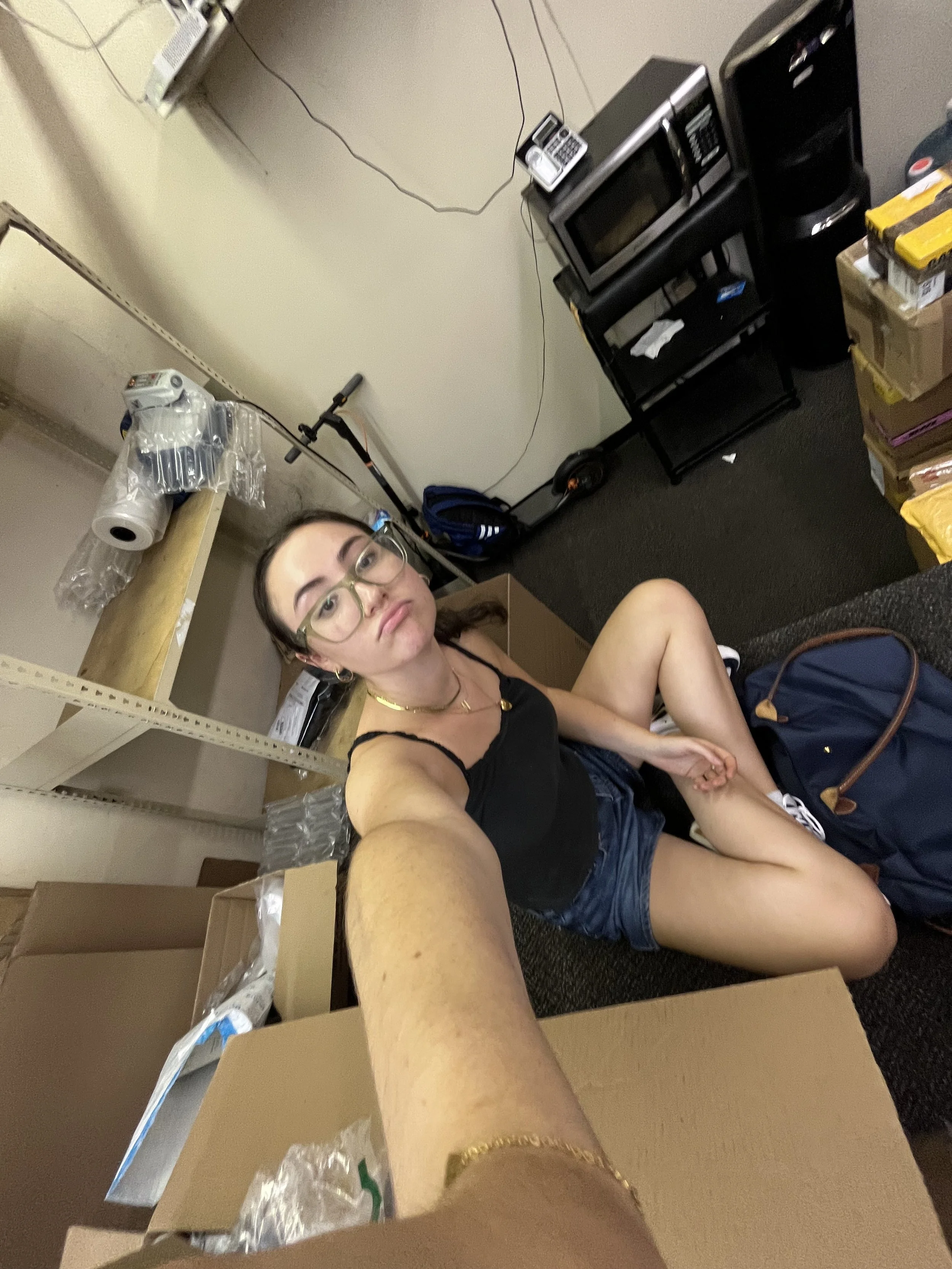
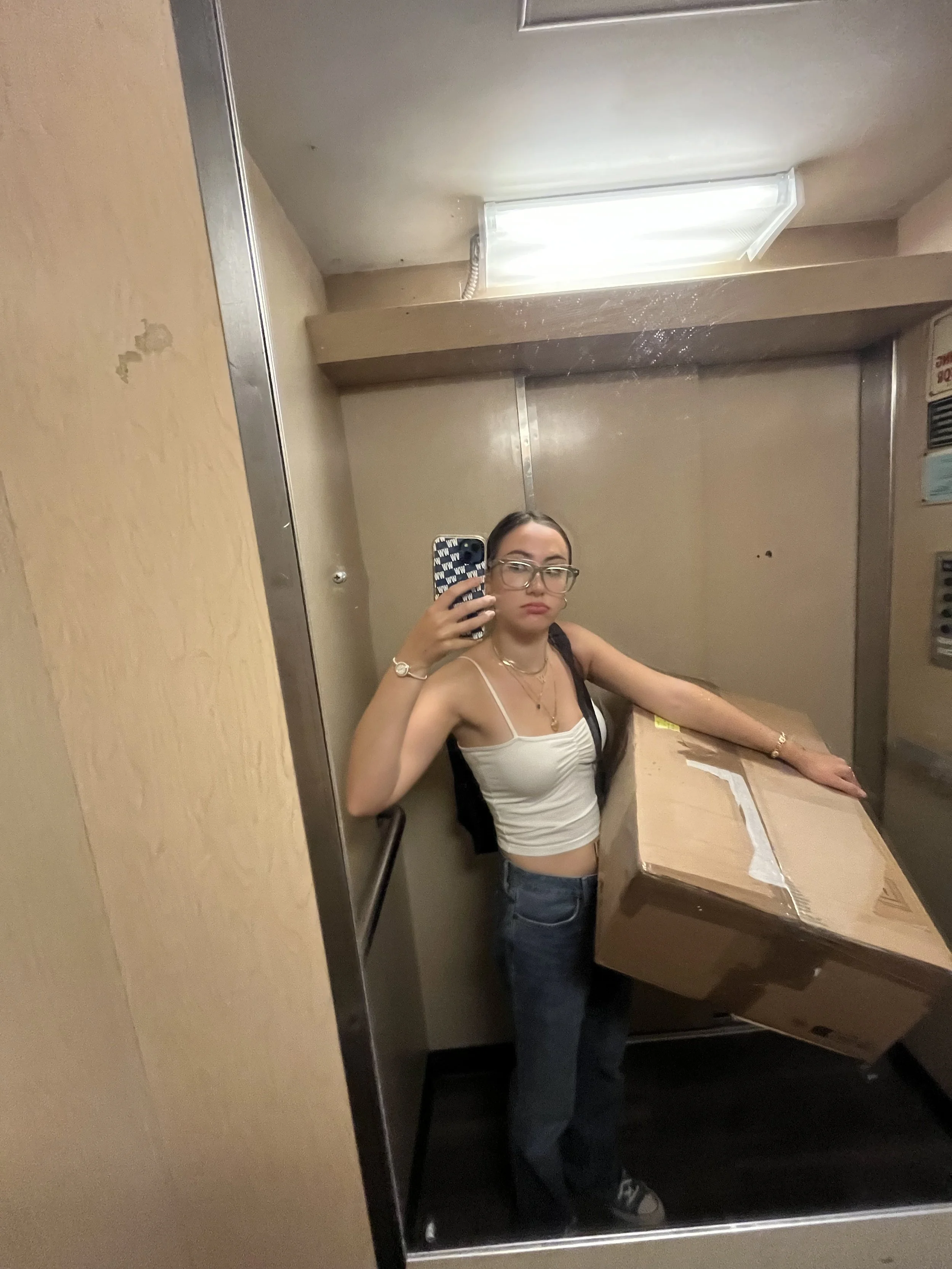
[me at UPS daily]
No one likes doing grunt work, but you know what’s worse? Grunt work, unpaid. In the fashion industry, this is the norm—working for free. To be completely honest, it’s a crazy concept that we’ve all somehow agreed to buy into.
Humbly, I’m an expert at networking, internships, and “figuring it out.” Which also means I’ve had my fair share of unpaid days in fashion.
My summer after freshman year, when I was still deciding what path to take in the industry, the Met Gala rolled around—like it does every year. But that year, I actually paid attention. Scrolling through Vogue, I noticed the credits below each celebrity photo—not just the designer, but the stylist. I wondered what exactly a stylist did for a look that was custom-made by a designer. So I decided to find out.
I cold-emailed every stylist who dressed someone for the Met that year—over 100 messages sent into the black hole. I got one reply: from Jared Ellner’s assistant. Jared had styled Emma Chamberlain that year and would go on to dress several other celebrities. After a quick call, she casually said I could come intern. They already had part-time interns, but I wanted to be there full-time. So I flew to LA, lived with three strangers (sharing a bedroom), rented a car at 19, and worked the entire month of August. All unpaid, with no expenses covered.
I’ll show the math later on how much I paid to work. But I was grateful. That internship solidified my decision to pursue styling, and every unpaid project since has led to another opportunity. A domino effect, where eventually, a paid job will knock.
Still, I can’t help but wonder—why is the fashion world like this? When I mentioned to friends in other majors that my internship was unpaid, they looked at me like I was crazy. They couldn’t wrap their heads around it. I brushed it off because, in fashion, it’s normal. But they helped me realize something: it’s not normal everywhere else. So, why do we accept unpaid labor as the price of entry for creative careers?
My co-op advisor, Melanie Kraus, confirmed that this issue starts long before students even apply to positions. By the time they meet with her, many already assume unpaid work is “just how it is.” Her biggest concern is the inequity it creates—two students with equal talent can have completely different access simply because one can afford to work for free and the other can’t.
The numbers make the inequality even clearer. In the 2023–2024 cycle, only 47% of Westphal students—Drexel’s Antoinette Westphal College of Media Arts & Design—reported having paid co-ops. In the Bennett S. LeBow College of Business, that number was 91%. It made me wonder: if money didn’t matter, would those percentages look different? Honestly, the 47% was higher than I expected. Are creative-driven students choosing paid roles out of necessity rather than genuine interest? And if every student took the position they wanted most, would that 47% shrink even further—widening the gap instead of closing it?
Many people in fashion share a similar story. Internships lead to bigger and better opportunities, like in most industries, but with one major difference: we’ve all been told the same thing—“You have to pay your dues.”
I talked to Lily Jane, Assistant Market Coordinator at WSJ. Magazine for Off-Duty and Style News, who shared a familiar experience.
“I am lucky enough to have really only had one unpaid experience before ‘breaking into the industry,’ and that was my one-weekend stint assisting Andrew Gelwicks, which was an incredible experience that directly landed me my next (and paid) role at ELLE Magazine.”
After ELLE, she began full-time as a Fashion Assistant at WSJ. Magazine. “So realistically, I began taking paid work in fashion right off the bat. That being said, while I work in fashion full-time now and it pays for my entire life, I still take on unpaid work for collaborations and personal projects. It’s different than ‘paying your dues,’ but I wholeheartedly disagree with the system. Paying dues doesn’t pay bills, and it doesn’t inherently mean someone has earned their place or proven their skill set.”
Jane explained that while her experience opened doors, she knows her story is rare. “It got my foot in the door. The fashion industry is a small industry; nearly everyone knows everybody. The hardest thing about the industry is breaking in—getting that first opportunity can set the tone for everything that follows.”
Like many assistants or interns, she admits that her unpaid experiences directly led to paying jobs. However, she fully believes “it is possible to get a job in fashion without taking unpaid work; in fact, I'd recommend it if you can. But I do think it is important to thoroughly assess every opportunity in front of you—paid and unpaid—and consider what direction it might take you in if you say yes, and if you say no.”
There is also a deeper issue with unpaid internships: they widen the divide of who can afford to enter the industry. Jane put it bluntly: “The popularity of unpaid work in fashion is predicated on a few constants: capitalism, discriminative artificial exclusivity, and passion. Fashion loves to be exclusive. What better way to make it glamorous and high-stakes than to make it unattainable for anyone who doesn’t already come from a lifestyle of luxury?”
Kruas echoed this, but from the university side. She explained that schools sometimes feel pressured when companies require students to earn credit in exchange for unpaid work. And while many employers genuinely want to mentor young talent, she admitted that others simply look at their bottom line.
Her words stuck with me. The fashion industry runs on the energy of those who love it most, and those same people are often the easiest to exploit.
John Walker, a Drexel student studying medicine, has never taken an unpaid internship, partly because the medical field offers more paid opportunities and partly because he didn’t want to participate in an unequal system. He’s also witnessed classmates struggle with unpaid positions, which reinforced his belief that such internships are a serious socioeconomic barrier.
When I finally sat down and added up what I spent working in LA, I realized I’d paid over $4,000—not including meals. $4,000 earned from months of changing babies’ diapers, handing out plant-based “chicken” at Whole Foods, and throwing Takis to Villanova fans on their way out of the stadium. On paper, $4,000 sounds ridiculous. But when you frame it as “education,” it almost starts to make sense. Students across the country spend thousands on tuition for classroom learning, and I learned more that summer than I ever could have in a lecture hall.
While working for Ellner, I learned not only what styling was, but also how the industry functions. That all clothes can be received for free from brands and PR agencies. That you can pull 100 outfits and use only four. How to organize, steam, and pack clothes for a shoot. Beyond the technical skills, that experience strengthened my résumé by giving me the opportunity to work with major names such as SZA, Olivia Rodrigo, Camila Cabello, and Ben Platt.
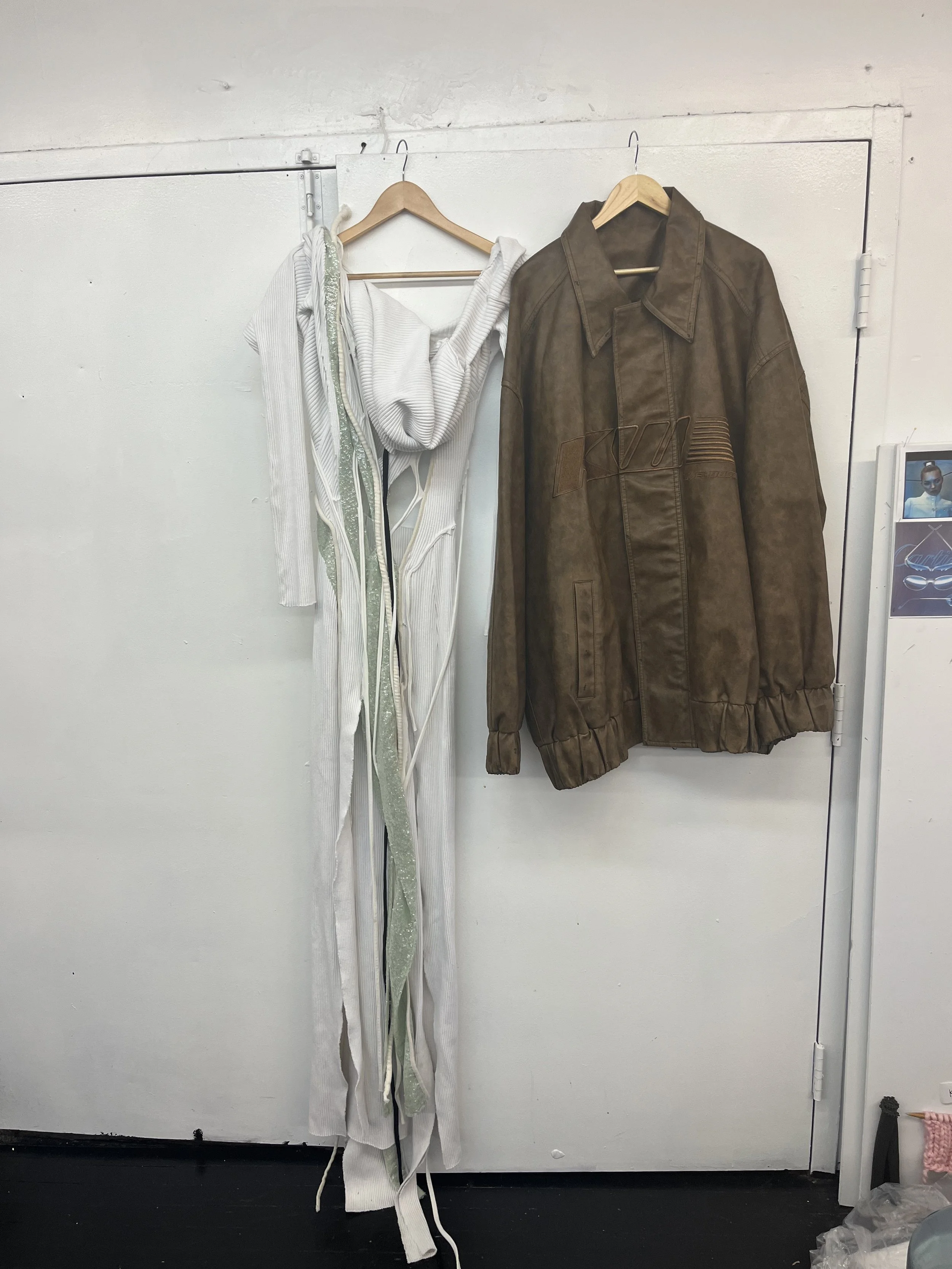
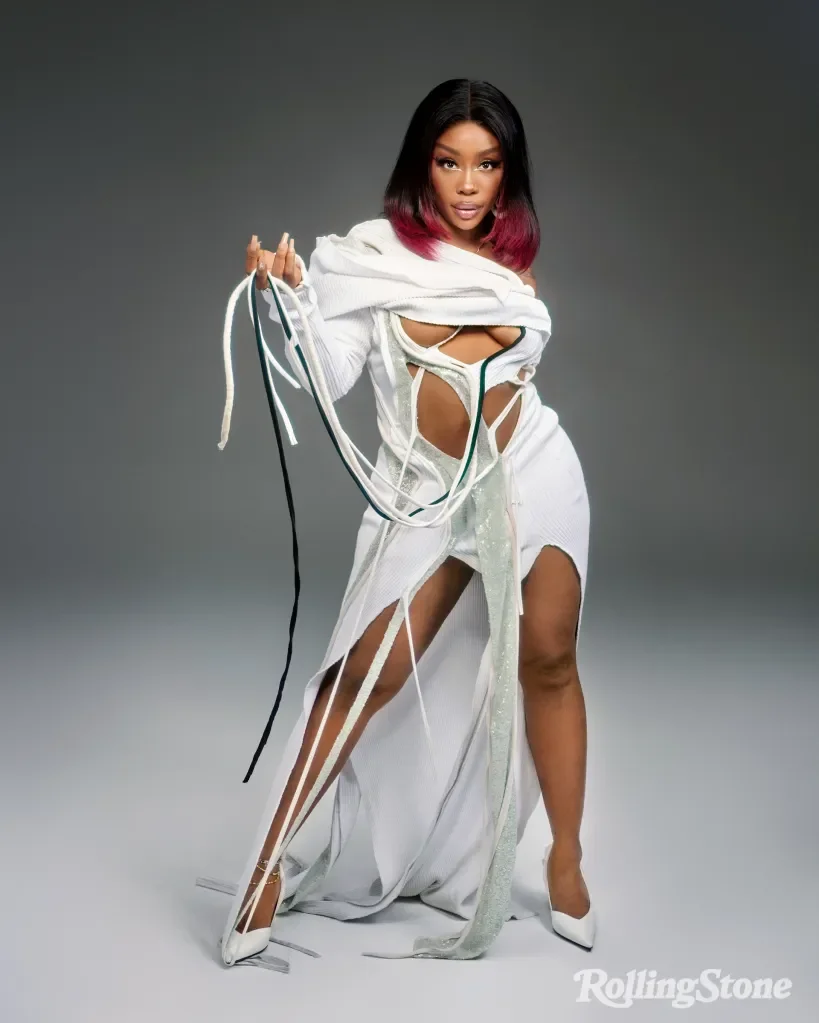
[SZA for Rolling Stone (clothing and final shot)]
Since then, I’ve been able to add even bigger names to my portfolio, including Jacob Elordi, Alix Earle, and Luka Dončić.
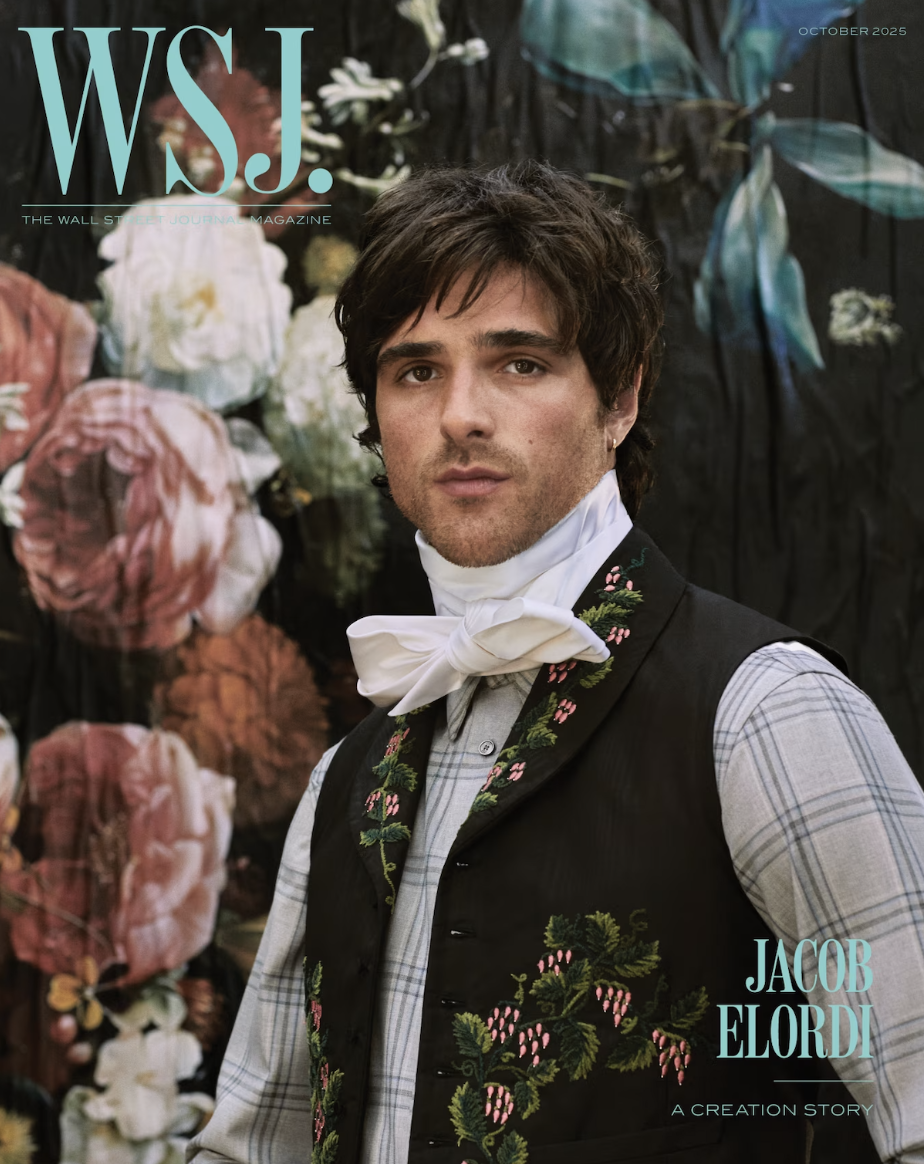
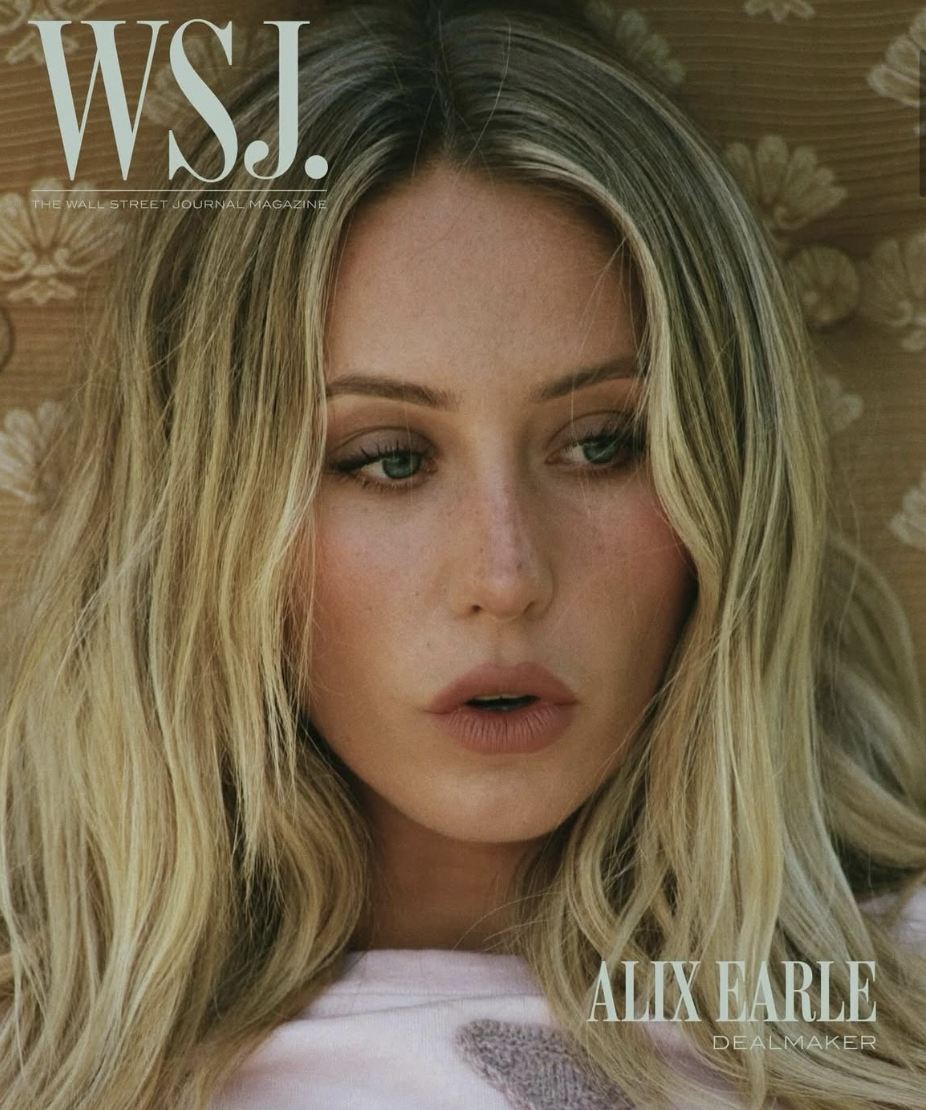
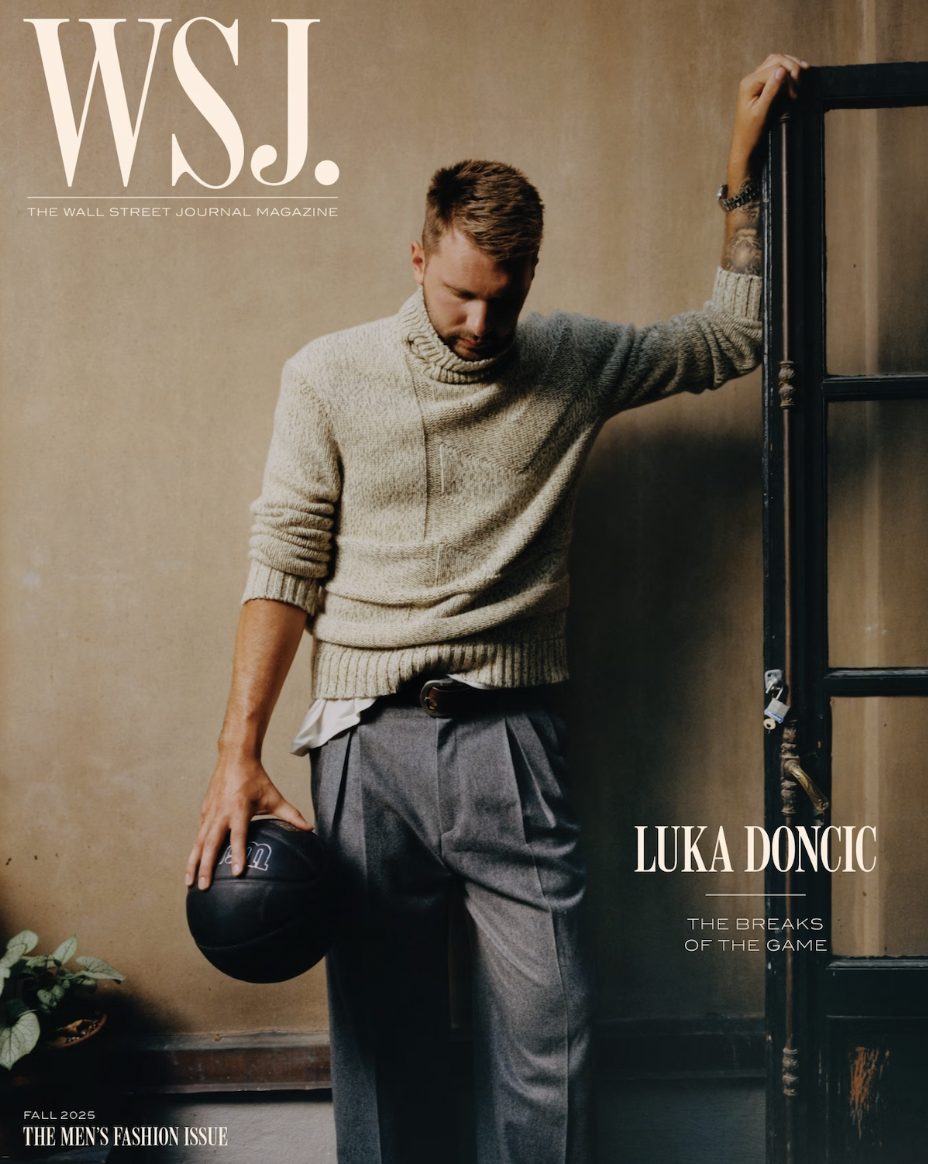
[Jacob Elordi, Alix Earle, and Luka Dončić for Wall Street Journal Magazine]
And maybe that’s why so many of us accept it. It’s not fair, and it’s definitely not sustainable, but it’s worth it. Every unpaid opportunity has pushed me further, built my portfolio, and connected me to the people who shaped my career. The industry might be built on impossible standards, but for many of us, those unpaid hours were where everything began.
I don’t support unpaid work, but I do support the drive it takes to push through an industry that asks too much of those who love it most. Determination matters, but no one should have to work for free to prove they belong. My unpaid experiences shaped my career, but they also showed how much harder it is for anyone who can’t take the same risks. Fashion runs on unpaid labor, built on people who care enough to show up, and caring shouldn’t cost thousands of dollars.